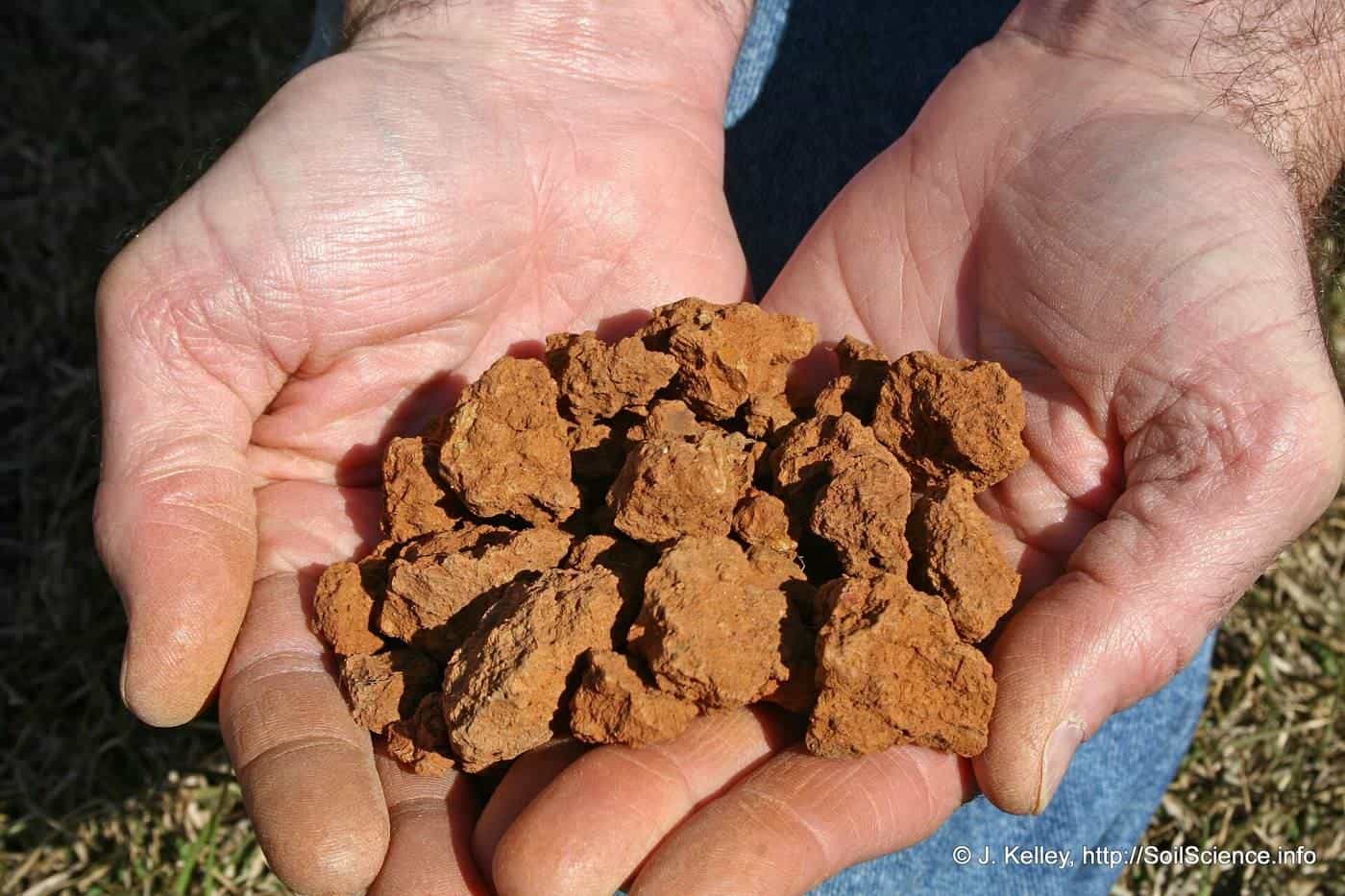
Healthy soil grows healthy plants. It holds water and nutrients, supports the fungi, bacteria and worms that feed plant roots, and drains well enough that roots can breathe. Many Australian soils are naturally low in nutrients and organic matter, and they range from free-draining sands that dry out quickly to heavy clays that waterlog in winter and crack in summer. The good news is that the same few practices improve almost all of them.
Water is the other half of the story. Much of Australia is dry, droughts recur and many areas have permanent water-saving rules. Water-wise gardening isn't just good for the environment; it saves money and produces tougher plants.
Guides in this section
- Composting: turning garden and kitchen waste into soil food.
- Soil pH and soil types: understanding and improving sand, loam and clay, and testing pH.
- Mulching: types of mulch, how much and where.
- Water-wise gardening: watering, irrigation, rainwater tanks and drought-tolerant plants.
Organic matter
Improves all soils
Sand and clay
5–7 cm
Typical mulch depth
Clear of stems
Morning
Best time to water
Follow local rules
Know your soil
Soil is made of mineral particles (sand, silt and clay), organic matter, water, air and living things. The mix of particles gives soil its texture:
- Sandy soils drain fast and warm quickly but hold little water or nutrients.
- Clay soils hold water and nutrients but can drain poorly and become hard and compacted.
- Loams are a balanced mix and are what most gardeners hope for.
A simple test is to wet a handful of soil and squeeze it. Sandy soil feels gritty and falls apart; clay soil feels sticky and can be rolled into a ribbon. See soil pH and soil types.
Feed the soil, not just the plant
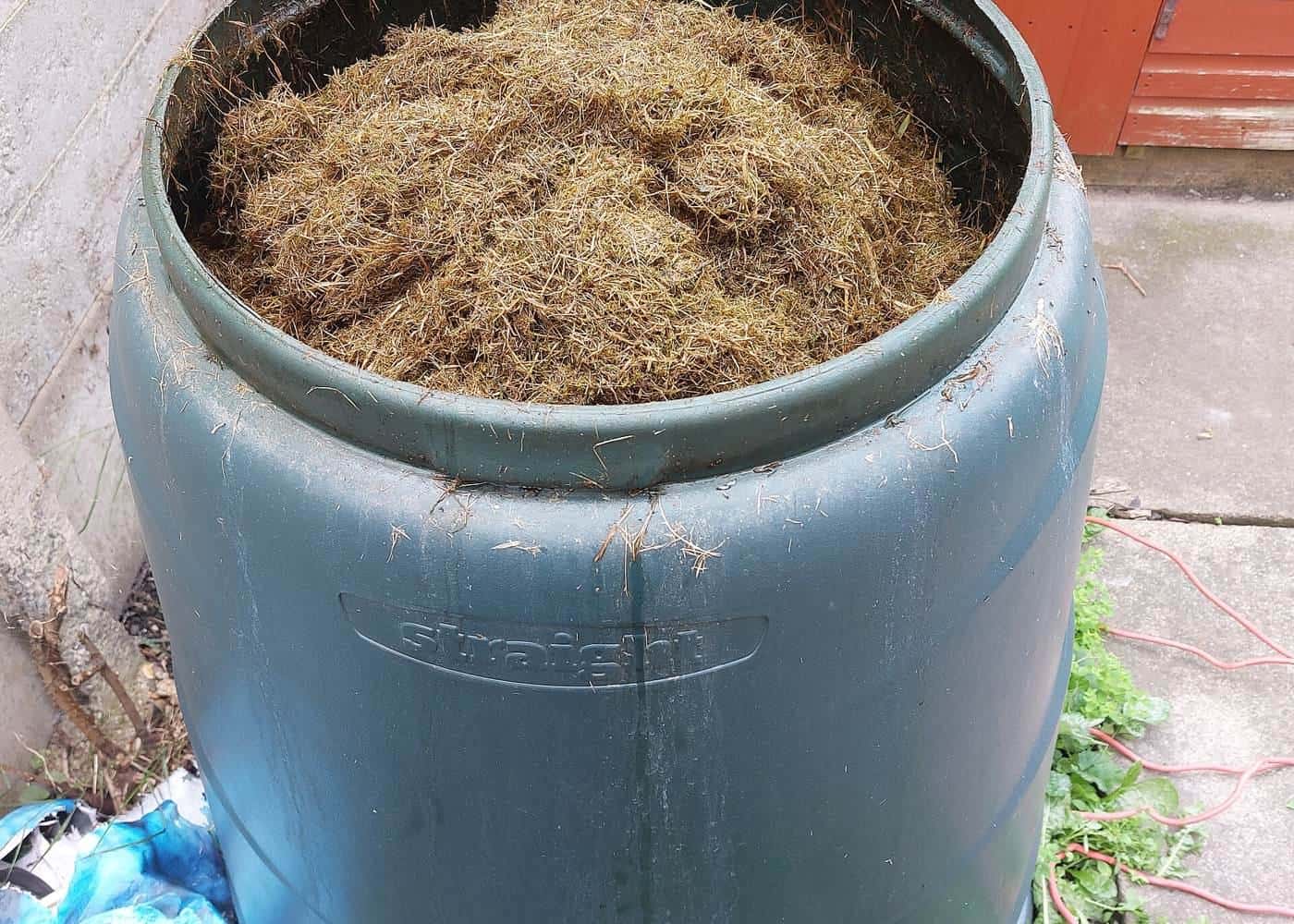
Adding organic matter is the single best thing you can do. Compost, well-rotted manure and green manure crops add nutrients, feed soil life and improve structure. In sandy soil, organic matter helps hold water. In clay, it helps open up the soil so water and air can move. Keep adding it every season, because soil life uses it up.
Cover the soil
Bare soil dries out, heats up, erodes and grows weeds. Mulch keeps soil cooler and moister, suppresses weeds and, as organic mulches break down, feeds the soil. Living plants and groundcovers also protect soil. See mulching.
Water wisely
Water deeply and less often to encourage deep roots, water early in the day, and water the soil rather than the leaves. Drip irrigation and soaker hoses deliver water where it's needed with less waste. Group plants with similar water needs, and choose drought-tolerant plants for dry spots. Rainwater tanks capture free water from your roof. See water-wise gardening.
Potting mix safety
Potting mix, compost and soil can contain Legionella longbeachae, a bacterium that can cause Legionnaires' disease if dust or droplets are breathed in. State health departments advise wearing gloves and a mask when handling potting mix, opening bags carefully away from your face, dampening the mix to reduce dust and washing your hands afterwards.
Common mistakes
- Digging soil when it is wet, which damages structure.
- Adding fertiliser without improving soil organic matter.
- Piling mulch against stems and trunks.
- Frequent shallow watering, which encourages shallow roots.
- Leaving soil bare between crops.
Soil life
Healthy soil is alive with earthworms, fungi, bacteria and countless other organisms. They break down organic matter, release nutrients, build soil structure and help plants resist disease. You can encourage them by adding organic matter, keeping soil moist and covered, avoiding unnecessary digging and using chemicals only when needed and according to the label. Worm farms are another easy way to recycle kitchen scraps into rich castings and liquid fertiliser.
Wetting agents and water-repellent soil
Some soils, especially sandy soils, can become water-repellent when they dry out: water beads on the surface and runs off instead of soaking in. Adding organic matter and keeping soil mulched helps. Soil wetting agents can also help water penetrate. Follow label directions.
Fertilisers
Fertilisers supply nutrients, but they don't replace organic matter. Organic fertilisers, such as pelletised manure, release nutrients slowly and feed soil life. Synthetic fertilisers act quickly but can be leached by rain or watering. Use the amount on the label, water it in, and avoid fertilising stressed plants in extreme heat or drought. Many Australian native plants, especially banksias, grevilleas and waratahs, are sensitive to phosphorus, so use fertilisers formulated for natives.
Green manure
Green manure crops are grown and then dug or chopped into the soil to add organic matter and nutrients. Legumes such as field peas and lupins fix nitrogen from the air. Cereals add bulk. Sow green manure in empty beds between seasons and turn it in before it sets seed.
Testing before you add
Before adding lime, sulphur or fertiliser, test your soil. A cheap pH kit avoids guesswork and wasted products.
Water and soil together
Healthy soil holds water better, so improving soil is one of the best ways to save water in the garden.
Key points
Build soil with organic matter every season, keep it covered with mulch, water deeply and less often, and handle potting mix safely. Healthy soil makes everything else in the garden easier.
Guides in this section
Soil and water
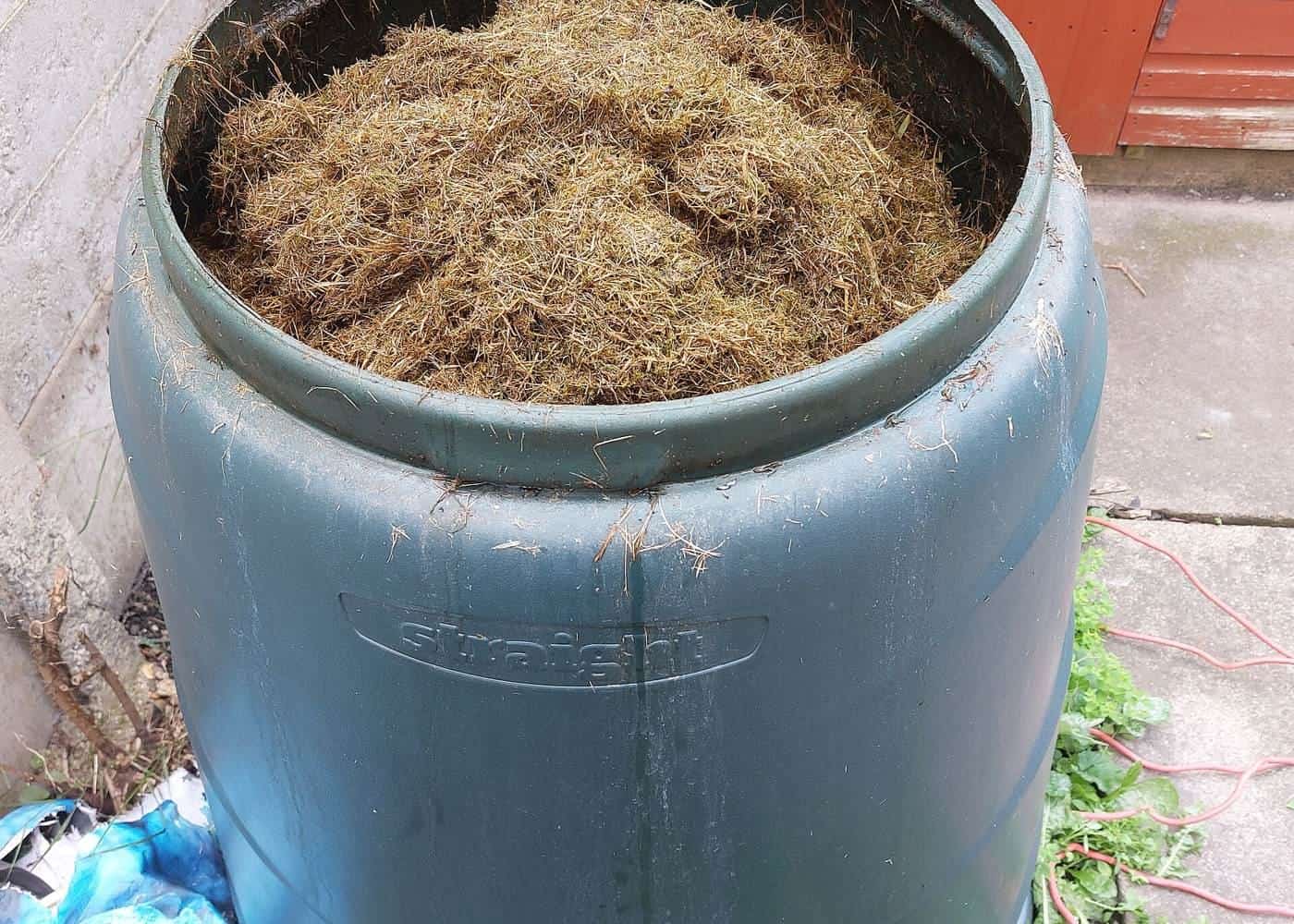
Composting at home
How to make compost at home: bins, heaps and tumblers, the browns-and-greens balance, what to add and avoid, moisture and air, fixing smelly compost and using it.
Read · 5 min
Soil and water
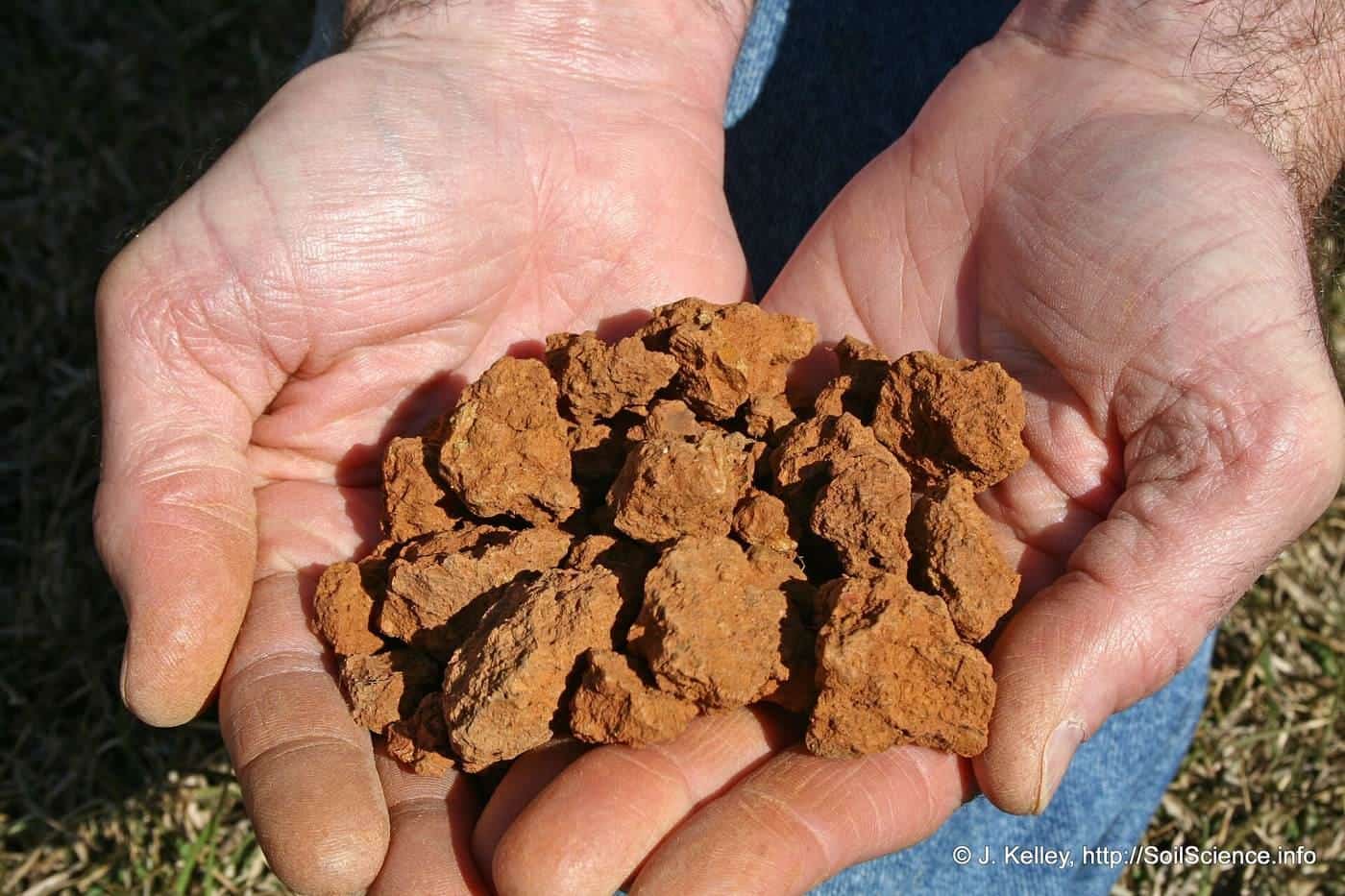
Soil pH and soil types
Understanding garden soil in Australia: sand, loam and clay, testing and adjusting soil pH, improving clay and sandy soils, water repellence and nutrients.
Read · 5 min
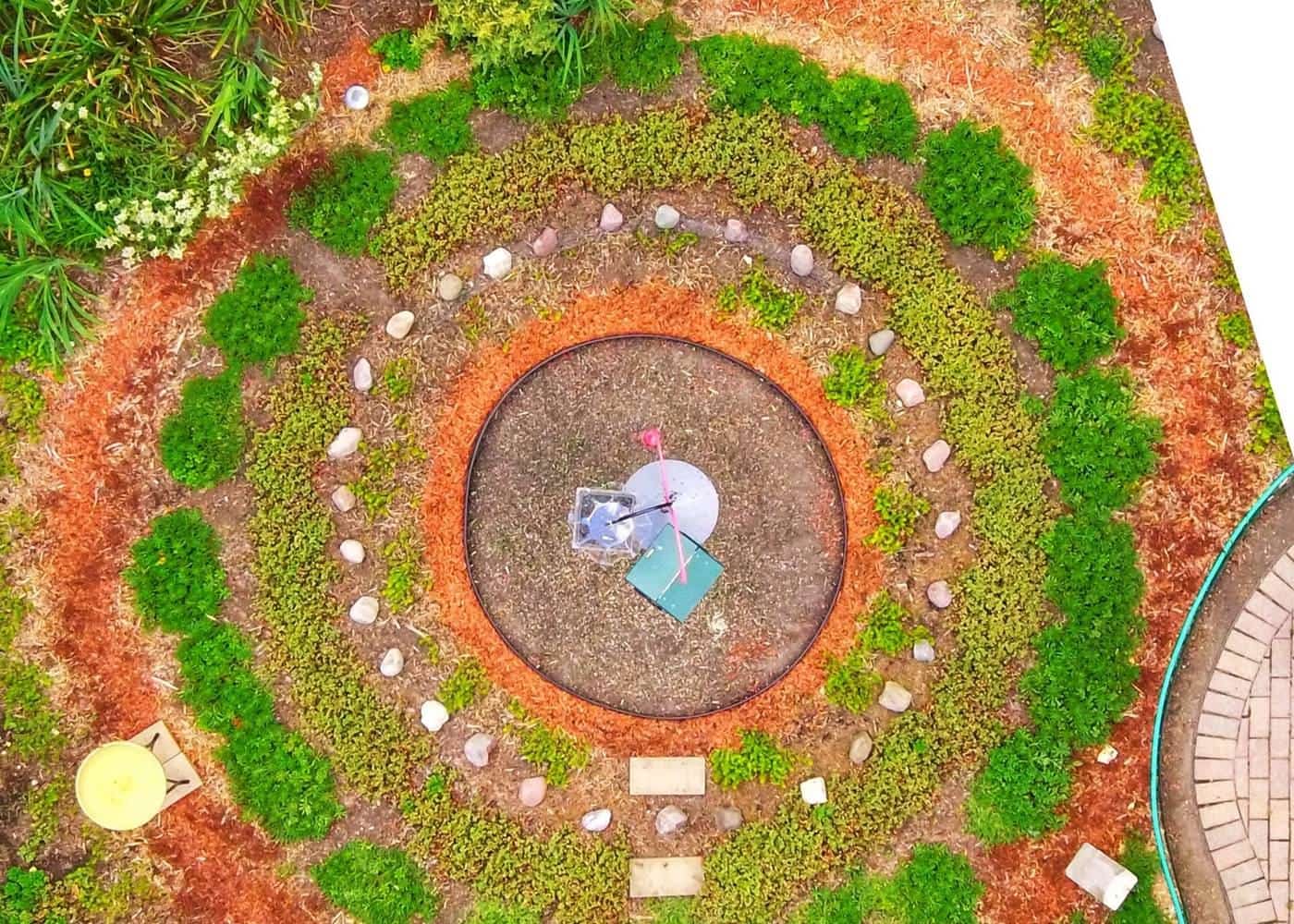
Soil and water
Mulching
How to mulch garden beds in Australia: choosing mulch, how thick to spread it, when to top up and mistakes to avoid.
Read · 5 min
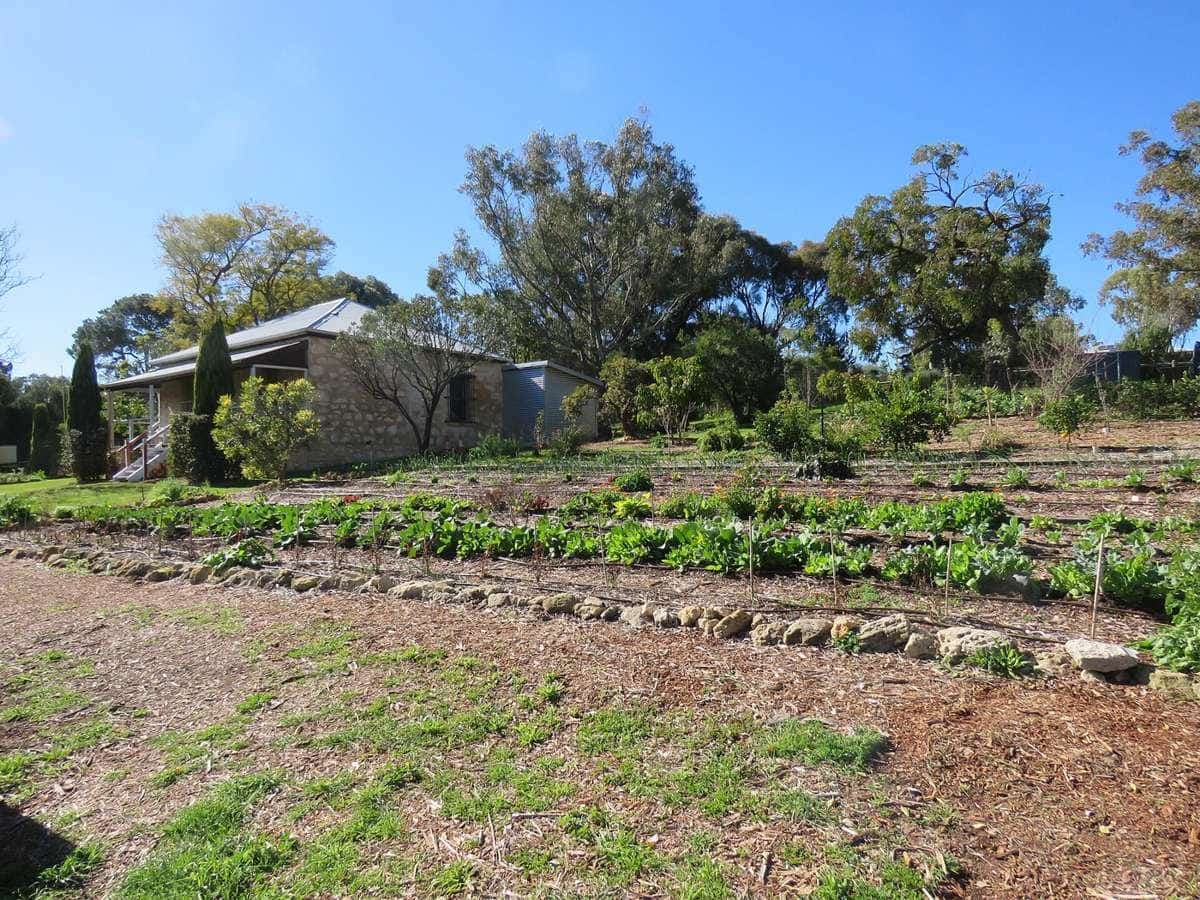
Soil and water
Water-wise gardening
Water-wise gardening in Australia: watering deeply, drip irrigation, tanks, greywater, restrictions and drought-hardy plants.
Read · 5 min
Frequently asked questions
What is the best way to improve garden soil?
Add organic matter such as compost and well-rotted manure regularly, keep soil covered with mulch, and avoid compacting it by walking on wet beds. This improves both sandy and clay soils.
What pH do most plants like?
Many garden plants and vegetables grow well in slightly acidic to neutral soil. Some plants, such as azaleas and blueberries, prefer more acidic soil. A simple test kit tells you your soil's pH.
How thick should mulch be?
A layer around 5 to 7 centimetres thick is commonly recommended for garden beds, kept clear of plant stems and tree trunks.
When is the best time to water?
Early morning is usually best, because less water is lost to evaporation and foliage dries during the day. Follow any watering times set by your water authority.
Do I need approval for a rainwater tank?
It depends on your state, council and the tank's size and location. Connecting a tank to household plumbing must be done by a licensed plumber.