Australian native plants include some of the world's most distinctive flora: banksias, grevilleas, eucalypts, wattles, bottlebrushes, kangaroo paws, waratahs and thousands more. Many are well adapted to Australian heat, dry spells and nutrient-poor soils, and they provide food and shelter for native birds, insects and other wildlife. Yet natives have an unfair reputation for being scruffy or short-lived, usually because they were planted in the wrong place or treated like exotic plants.
Choose the right natives
Australia covers rainforests, deserts, alpine areas, swamps, heath and woodland. A plant from Western Australia's dry sandplains may struggle in humid Brisbane, and a rainforest plant will fail in a dry Adelaide garden. The best results come from natives that come from a climate and soil similar to yours.
Local natives (plants indigenous to your area) are best adapted to local conditions and support local wildlife. Many councils, community nurseries and Landcare groups sell local plants and publish lists.
Cultivars. Many natives have been bred into compact, long-flowering or hardy cultivars that suit gardens.
Autumn
Best planting time
In much of the south
Low phosphorus
For Proteaceae
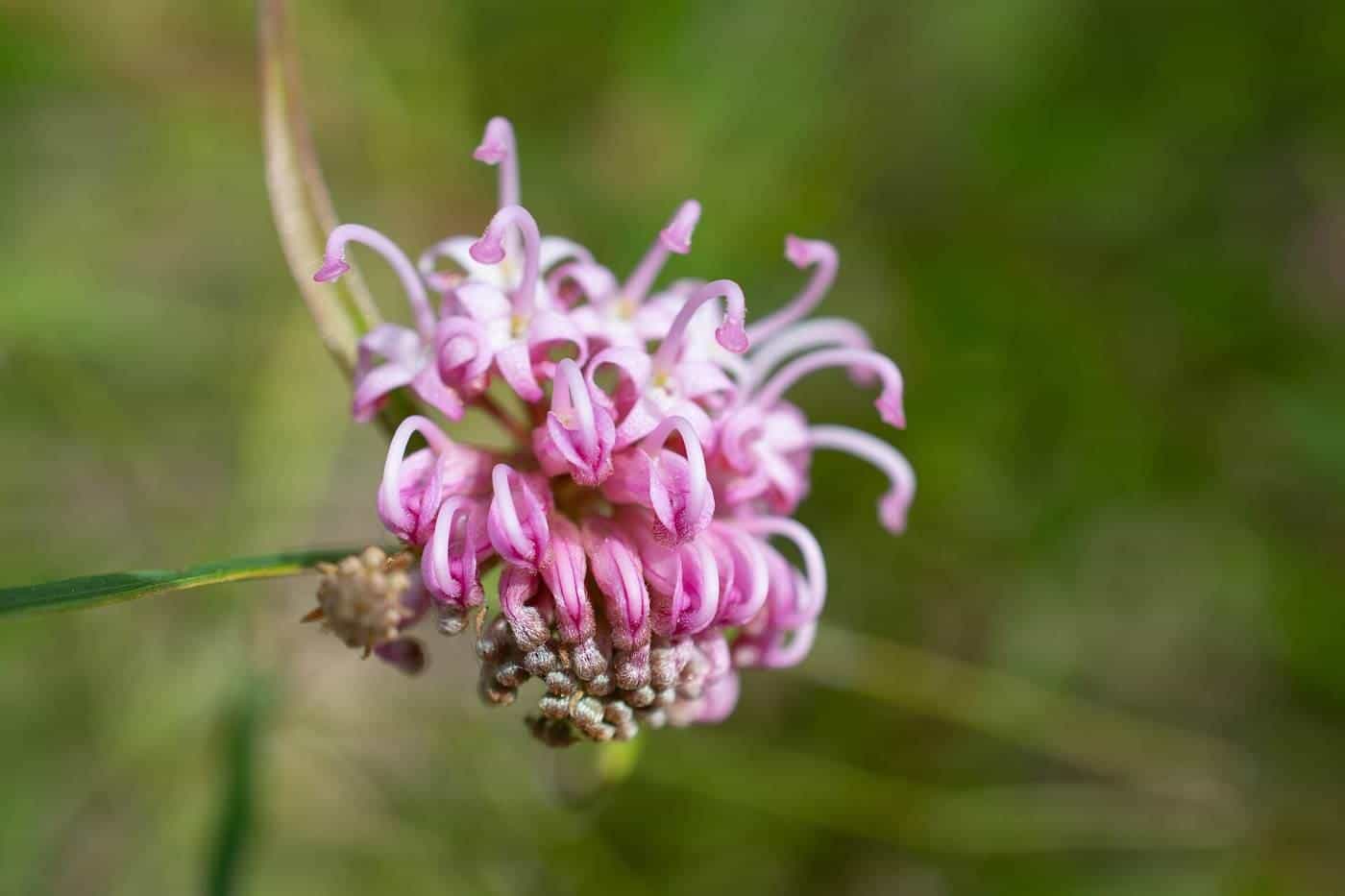
Banksias, grevilleas
Local
Best for wildlife
Indigenous species
Soil and drainage
Many natives, especially those from sandy and gravelly soils, need good drainage and die quickly in waterlogged ground. In heavy clay, plant on mounds or raised beds, or choose natives that tolerate clay. Others, from swamps and creek banks, tolerate wet soils. Read plant labels and ask local nurseries.
Phosphorus sensitivity
Many plants in the Proteaceae family, including banksias, grevilleas, hakeas, waratahs and some others, evolved in very low-phosphorus soils. They have specialised roots for scavenging phosphorus and can be poisoned by high-phosphorus fertilisers and some manures. If you feed natives, use a fertiliser labelled for natives or low in phosphorus.
Planting
- Water the plant in its pot well before planting.
- Dig a hole as deep as the pot and twice as wide.
- Gently tease circling roots.
- Plant at the same depth as in the pot.
- Backfill, firm gently and water deeply.
- Mulch with coarse mulch or leaf litter, clear of the stem.
Water regularly for the first few months while roots establish, then gradually reduce. Even drought-tolerant natives need water to establish.
Watering
Once established, many natives need little extra water, but most benefit from a deep soak during long dry spells. Overwatering kills more natives than underwatering, especially in heavy soils.
Pruning
Many shrubby natives, such as grevilleas, bottlebrushes, westringias and correas, benefit from a light trim after flowering. This keeps them compact and encourages more flowers. Kangaroo paws can be cut back after flowering. Avoid cutting into old, leafless wood on plants that don't reshoot from it, such as many banksias and some grevilleas. Eucalypts and many wattles respond to pruning differently, so check before pruning heavily.
Natives for wildlife
- Nectar plants such as grevilleas, banksias, bottlebrushes, correas and eucalypts feed honeyeaters and other birds.
- Dense, prickly shrubs give small birds such as wrens shelter from predators.
- Grasses and groundcovers provide seed, shelter and habitat for lizards and insects.
- Layers of trees, shrubs, groundcovers and grasses support the most wildlife.
Add a shallow bird bath, rocks and logs for lizards, and avoid unnecessary pesticides.
Natives in pots
Many compact natives grow well in pots, including some grevilleas, correas, kangaroo paws, native violets and dwarf bottlebrushes. Use a native potting mix, which is low in phosphorus, and water more often than in-ground plants.
Weeds
Some natives planted outside their natural range have become weeds elsewhere in Australia, and some exotic garden plants are serious environmental weeds. Check Weeds Australia and your state's weed lists before planting.
Native garden checklist
0 of 8 done
Ticks are saved in this browser only.
Common mistakes
- Choosing natives from a very different climate.
- Planting in waterlogged soil.
- Using high-phosphorus fertiliser or manure on Proteaceae.
- Overwatering established plants.
- Hard pruning into old wood.
Native food plants
Many native plants are edible, often called bush foods. Finger limes, lemon myrtle, native mint, warrigal greens, saltbush, midyim berries and native raspberries are among those grown in home gardens. Buy plants from reputable nurseries, identify plants carefully before eating them, and respect Aboriginal and Torres Strait Islander knowledge and cultural connections to these plants.
Learning more
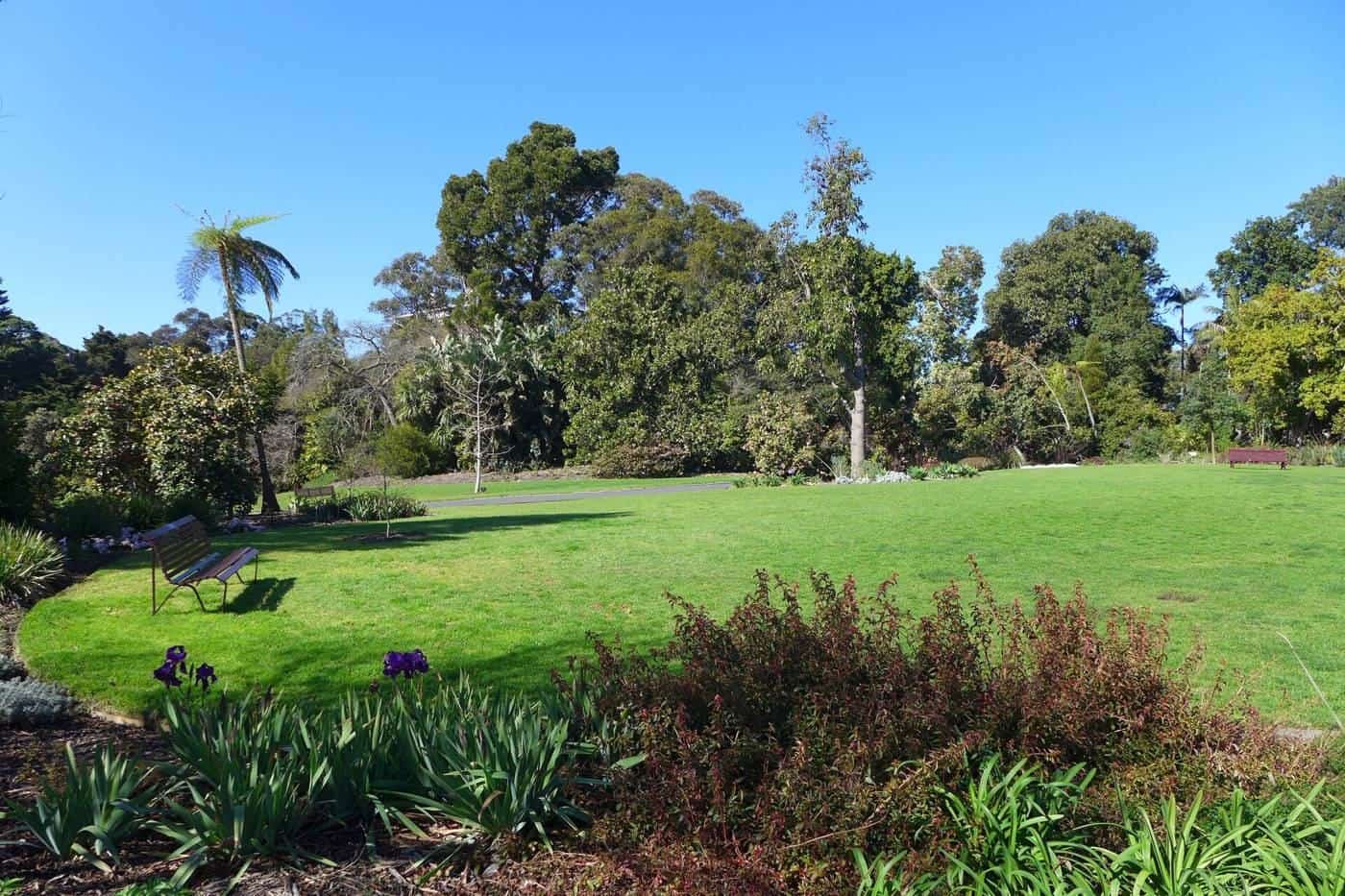
The Australian Native Plants Society and its state groups run meetings, garden visits and plant sales, and publish advice. Botanic gardens, such as the Australian National Botanic Gardens, display natives from across the country and are a great place to see how plants look when mature.
Native lawns and grasses
Native grasses such as kangaroo grass, wallaby grass and weeping grass can be used in meadows, borders and some low-traffic lawns. They are generally tough and drought tolerant once established and support insects and birds. They need different care from conventional lawns, so check local advice.
Popular natives for home gardens
Some natives are widely grown because they adapt to a range of gardens. Grevilleas offer forms from groundcovers to small trees and flower for long periods. Correas flower in the cooler months and suit shade and part shade. Westringias make tough, clipped hedges. Kangaroo paws give striking colour in well-drained, sunny spots. Lilly pillies are popular hedges in warmer areas, and native violets and dichondra make soft groundcovers. Lomandras and dianellas are hardy strappy plants for mass planting. Check that any plant suits your local conditions and isn't a weed in your region.
Establishing natives in hot weather
If you must plant in warmer months, plant in the late afternoon, water deeply before and after planting, mulch well and provide temporary shade for the first week or two. Tree guards can protect seedlings from wind, rabbits and sun.
Pruning natives
Many natives become leggy and short-lived if left unpruned. Light, regular tip pruning after flowering keeps plants compact and encourages more flowers. Remove spent flower heads from grevilleas and kangaroo paws to prolong flowering. Most natives don't regrow well from bare old wood, so prune lightly and often rather than cutting back hard. Some, including many eucalypts and banksias, regrow from lignotubers or buds under the bark after hard pruning or fire, but check before cutting hard.
Feeding natives
Many natives need little fertiliser. Use a low-phosphorus fertiliser made for natives, as some, especially proteas and many banksias and grevilleas, are sensitive to phosphorus.
Natives in pots
Many smaller natives grow well in containers, including kangaroo paws, correas, dwarf grevilleas, native violets and smaller lomandras. Use a quality native potting mix with good drainage, water regularly in summer and feed lightly with a native-safe slow-release fertiliser.
Key points
Choose natives suited to your climate and soil, ideally local species, ensure good drainage, plant in the right season, water while establishing, use low-phosphorus fertilisers, prune lightly after flowering and plant in layers for wildlife.
Frequently asked questions
When is the best time to plant natives?
In much of southern Australia, autumn is ideal, because soil is still warm and winter rain helps roots establish before summer. In the tropics, planting at the start of the wet season is common.
Do native plants need fertiliser?
Many need little or none. If you feed them, use a low-phosphorus fertiliser formulated for natives, especially for banksias, grevilleas, hakeas and waratahs.
Are all native plants drought tolerant?
No. Australia has rainforests, swamps and alpine areas as well as deserts. Choose natives from a climate and soil similar to yours.
Should I prune natives?
Many natives benefit from light pruning after flowering to keep them bushy and encourage more flowers. Avoid cutting into old, bare wood on plants that don't reshoot from it.
Can native plants become weeds?
Yes. Some natives planted outside their natural range have become weeds in other parts of Australia. Check local advice and choose local species where possible.
Sources and further reading
Facts on this page were checked against these primary and official sources. Conditions change — confirm before you travel or buy.
- Australian Native Plants Society (Australia) — ANPSA
- Weeds Australia — Centre for Invasive Species Solutions
- Australian National Botanic Gardens — Australian Government
- Gardening Australia — ABC