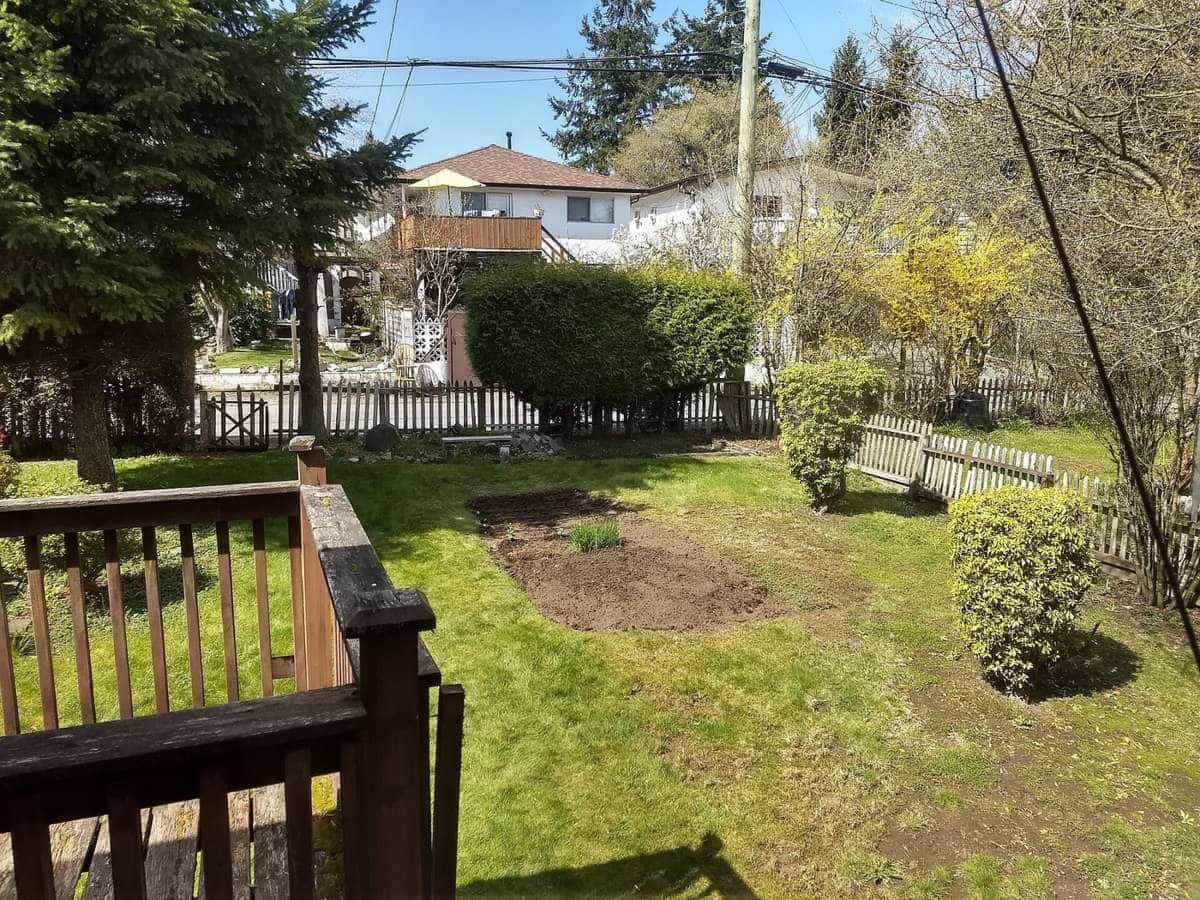
Growing your own food is one of the most rewarding things you can do in a garden. Fresh vegetables, herbs and fruit taste better, cut food miles and packaging, and get you outdoors. In Australia, success depends above all on timing: planting the right crop at the right time for your climate zone.
This section covers the essentials of growing food in Australian gardens.
Guides in this section
- What to plant by climate zone: the zones, the seasons and indicative sowing times.
- Growing citrus: lemons, limes, oranges and mandarins in the ground and in pots.
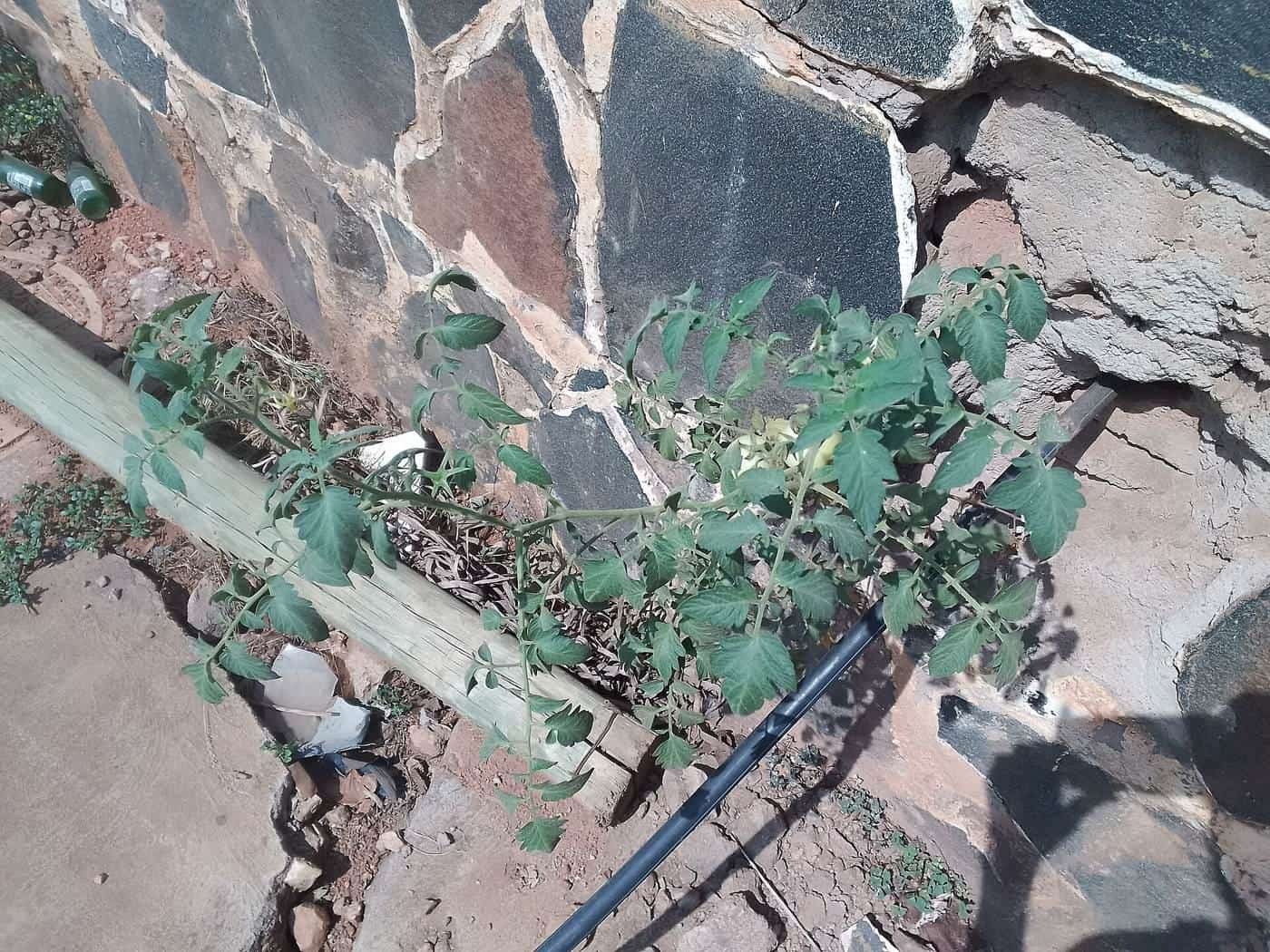
- Growing tomatoes: varieties, planting, staking, watering and problems.
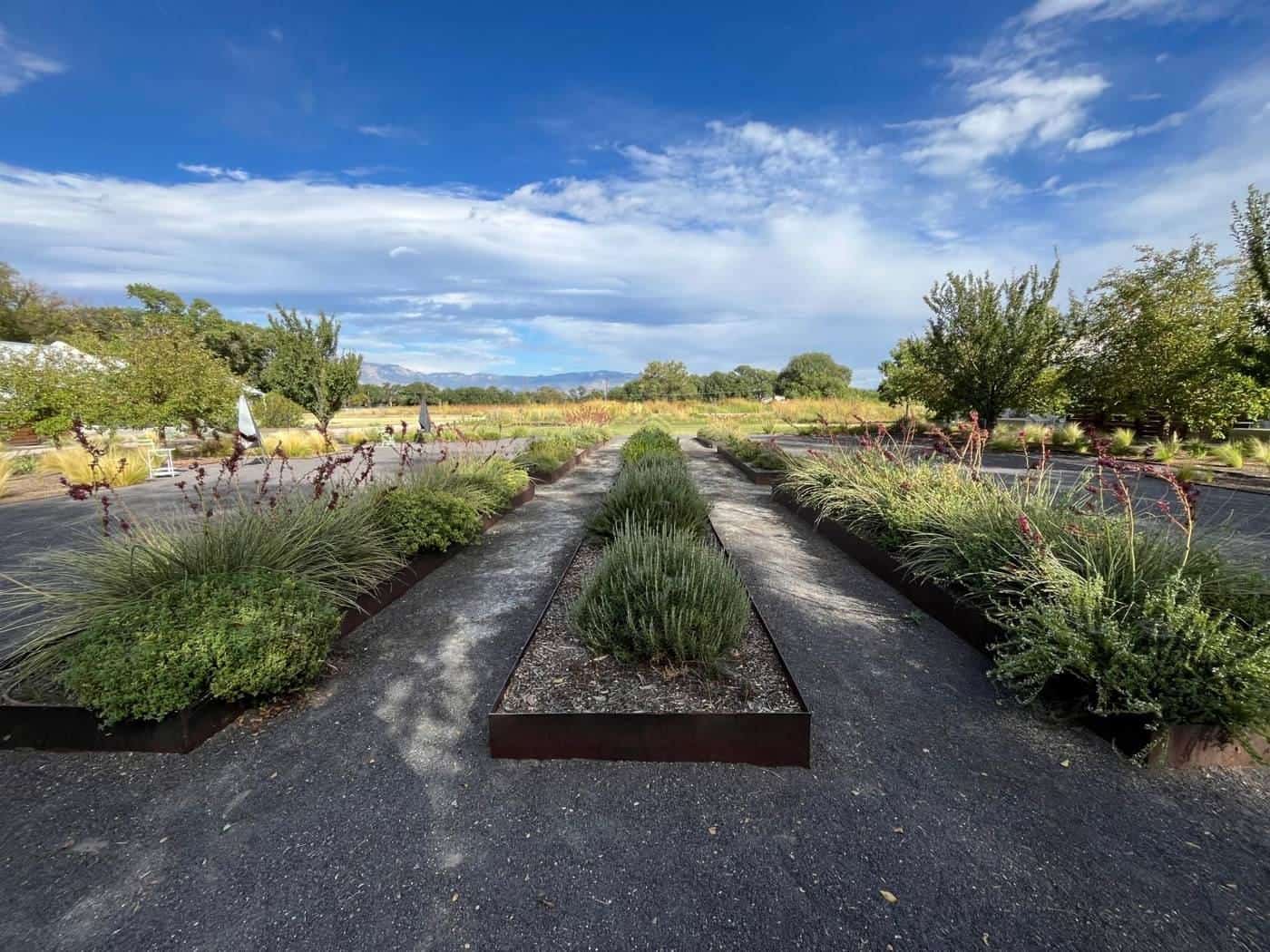
- Growing herbs: easy herbs for gardens, pots and balconies.
6+ hours
Sun for fruiting crops
Leafy greens need less
By zone
Planting times
Not by calendar alone
Rotate
Plant families
Reduce pests and disease
Choosing a spot
Pick the sunniest spot you have, ideally with at least six hours of direct sun a day for fruiting crops such as tomatoes, capsicum, pumpkin and beans. Leafy greens, many herbs and root crops tolerate some shade, and in hot inland and northern summers a little afternoon shade can help. Make sure the spot is close to a tap and easy to reach, because a vegie patch you walk past every day gets more care.
Beds, pots and raised beds
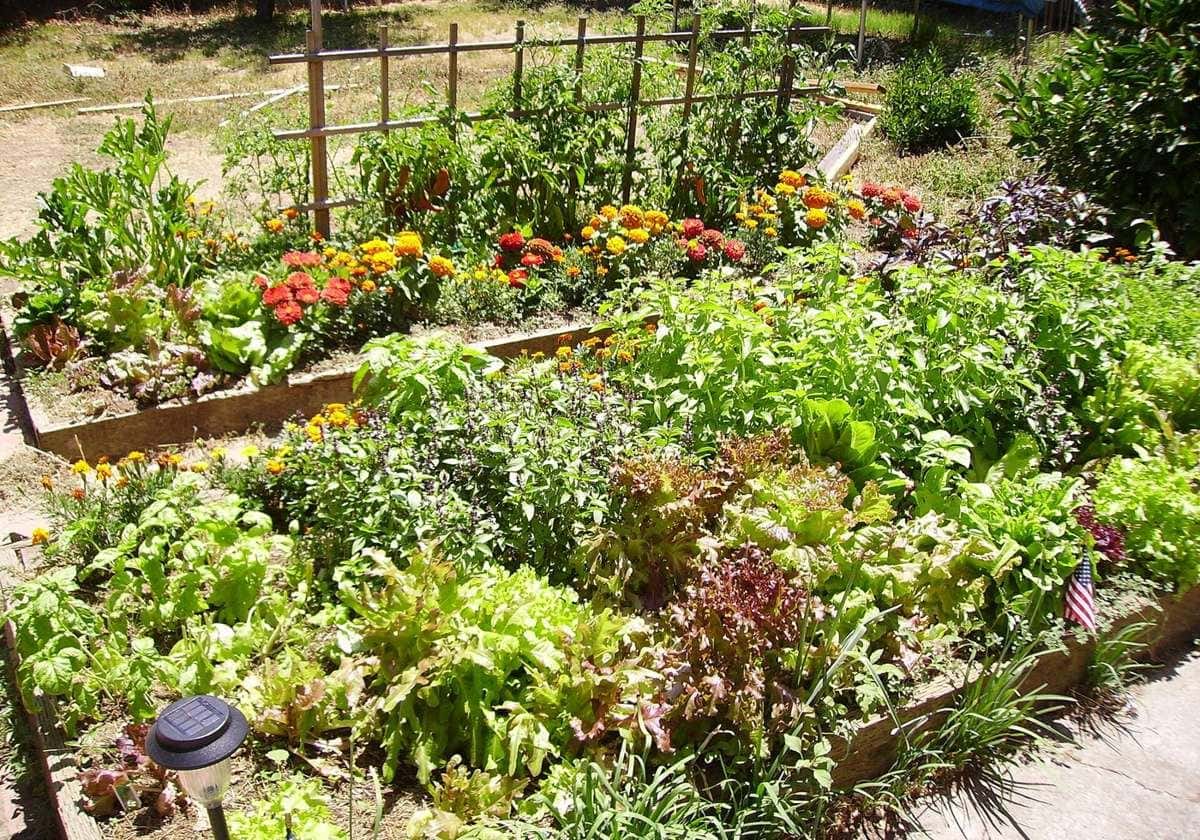
In-ground beds are cheapest, but need good soil. Dig in compost and well-rotted manure.
Raised beds warm up faster in spring, drain well, are easier on the back and let you fill them with good soil. They suit heavy clay and poor soils.
Pots and containers suit balconies, courtyards and renters. Use a quality potting mix, a large enough pot and regular watering and feeding.
Getting the timing right
Australia's climate zones mean that planting times vary enormously. Warm-season crops such as tomatoes, beans, zucchini and sweet corn need warm soil and no frost. Cool-season crops such as broccoli, cabbage, peas and broad beans prefer cooler weather. In the south, warm-season crops are sown in spring; in the tropics, many vegetables are grown in the dry season. See what to plant by climate zone and try our planting tool.
Seeds or seedlings?
Seeds are cheap, come in a huge range of varieties and are the best way to grow root crops such as carrots, radish and beetroot, which don't transplant well. Seedlings save time and suit crops such as tomatoes, capsicum and broccoli. Many gardeners do both: raising seedlings in trays and sowing some crops directly.
Crop rotation
Plants in the same family, such as tomatoes, capsicum, eggplant and potatoes, share pests and diseases. Moving families around your beds each season reduces problems and balances nutrient use. A simple rotation follows legumes (peas and beans), then leafy crops, then fruiting crops, then root crops.
Pests and diseases
Healthy plants grown at the right time resist pests better. Check plants often, remove pests by hand, use netting against birds, possums and caterpillars, encourage beneficial insects with flowers, and choose resistant varieties. If you use any pest control product, read and follow the label. Fruit fly is a major pest in many parts of Australia, and some states restrict the movement of produce. Check your state's biosecurity information.
Feeding and watering
Vegetables are hungry, fast-growing plants. Dig in compost before planting, feed leafy crops with nitrogen-rich fertiliser and fruiting crops with a balanced or potassium-rich fertiliser, and water regularly, ideally deeply and in the morning. Mulch to keep soil moist. See our soil and water section.
Common mistakes
- Planting warm-season crops too early in cold soil.
- Planting too much at once, then having a glut.
- Choosing a shady spot for fruiting crops.
- Letting beds dry out in summer.
- Growing the same family in the same spot every year.
Harvesting
Pick often. Many crops, such as beans, zucchini, herbs and lettuce, produce more when picked regularly. Harvest leafy greens from the outside, pick fruit at peak ripeness and share or preserve gluts.
Fruit trees beyond citrus
Many Australian gardens have room for a fruit tree or two. Choose trees suited to your climate: mangoes and bananas in the tropics, avocados and passionfruit in warm areas, and apples, pears, stone fruit and berries in cooler regions that get enough winter chill. Dwarf varieties suit small gardens and large pots. Check with a local nursery for varieties that suit your area, and check biosecurity rules before bringing fruit trees across state borders.
Saving seed
Saving seed from your best plants is a satisfying way to build a garden suited to your conditions. Open-pollinated and heirloom varieties come true from seed, while hybrids may not. Beans, peas, tomatoes, lettuce and many herbs are easy to start with. Dry seed thoroughly and store it in labelled envelopes in a cool, dry place.
Growing with children and beginners
Quick, easy crops such as radish, lettuce, snow peas, cherry tomatoes and herbs give fast results that keep beginners and children interested.
Small spaces
Balconies and courtyards can grow herbs, salad greens, chillies, dwarf citrus and cherry tomatoes in pots with good sun.
Key points
Choose a sunny spot, prepare soil with compost, plant crops at the right time for your zone, rotate plant families, pick often and watch for pests. Start small and expand as you learn.
Guides in this section
Growing food
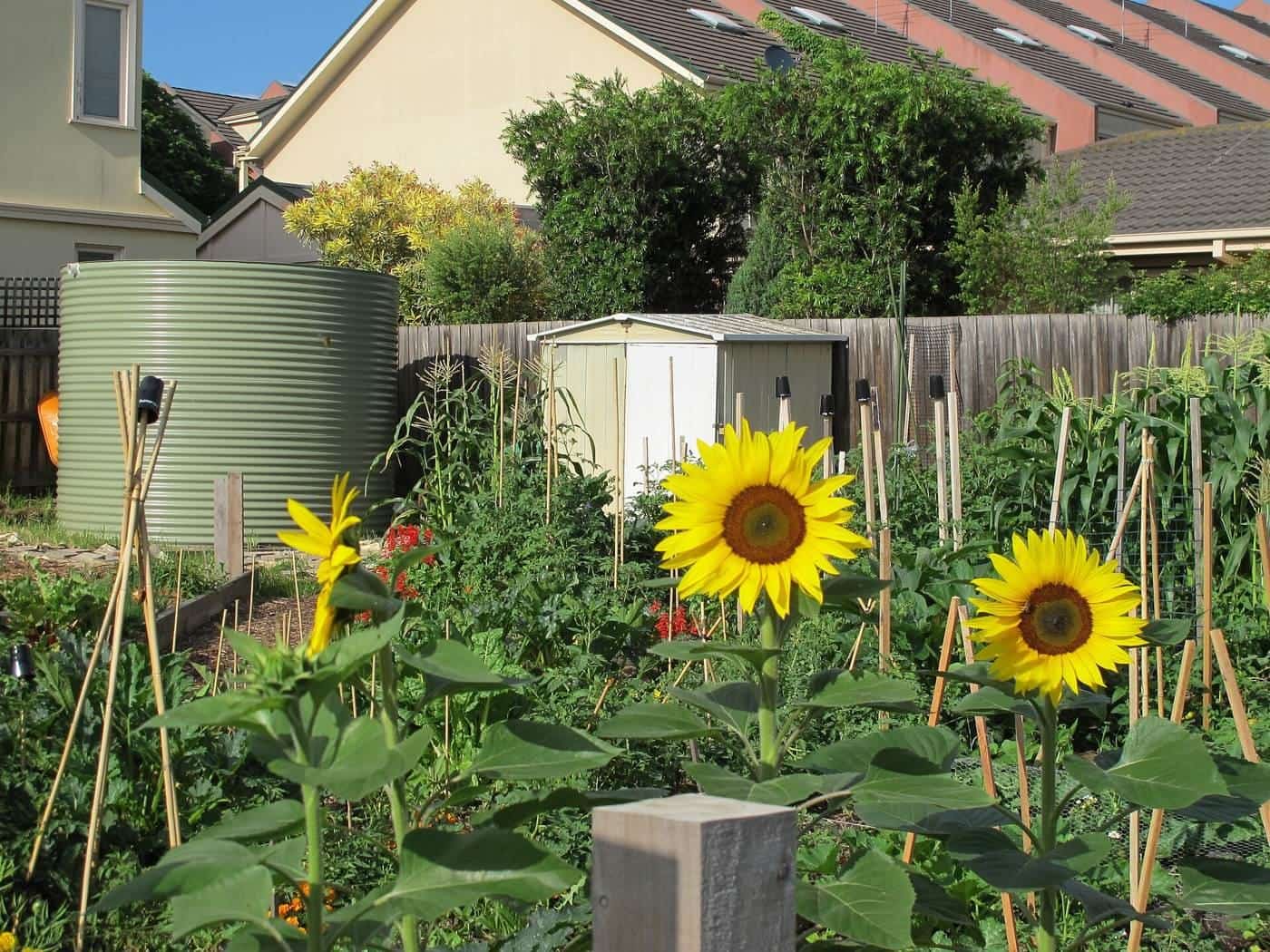
What to plant by climate zone
What vegetables to plant in each Australian climate zone, from tropical to cool, with sowing times and seasonal tips.
Read · 5 min
Growing food
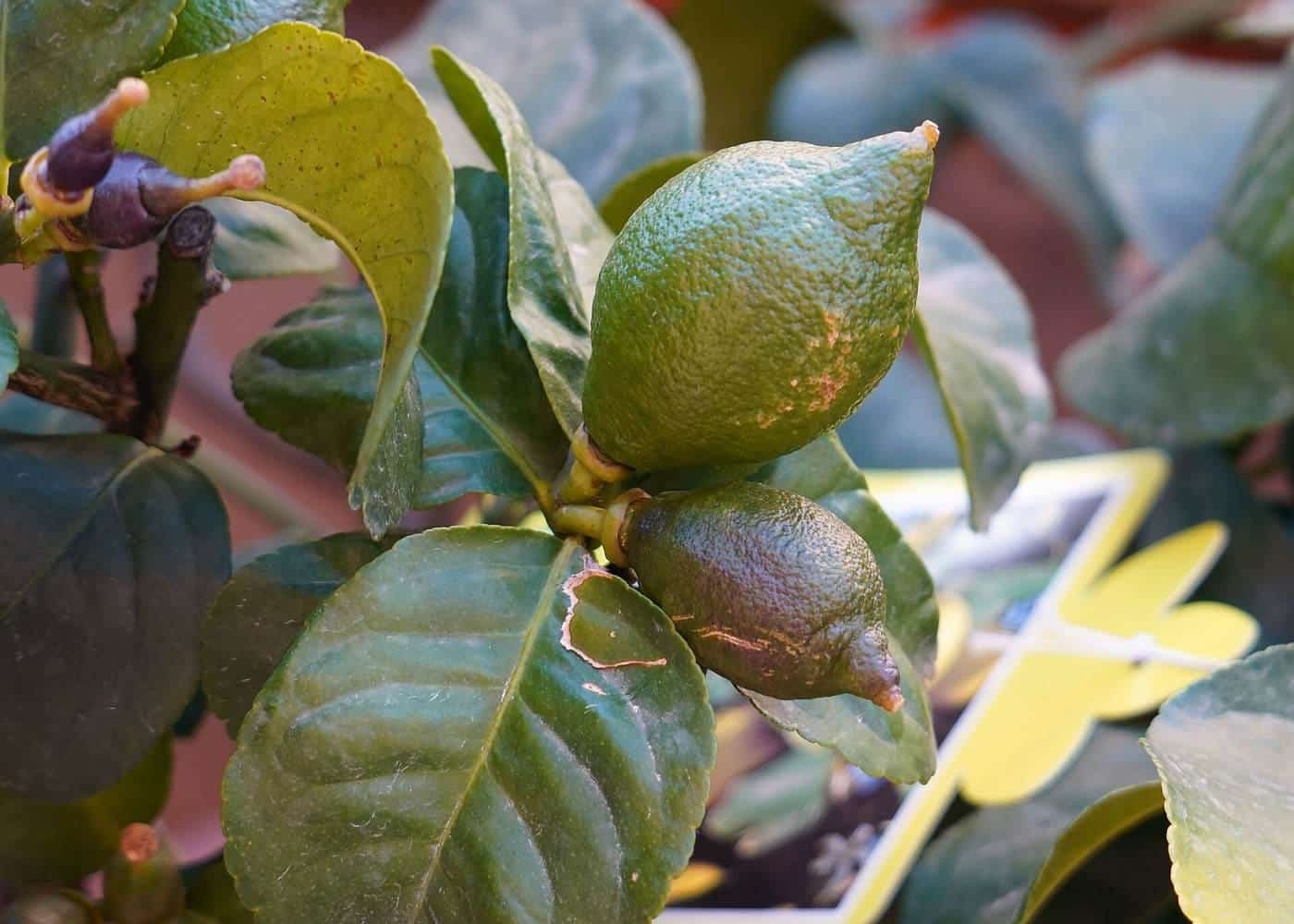
Growing citrus
Growing lemons, limes, oranges and mandarins in Australian gardens and pots: planting, feeding, pruning, pests and fruit drop.
Read · 5 min
Growing food
Growing tomatoes
How to grow tomatoes in Australia: when to plant by climate, raising seedlings, staking, watering, feeding and common problems.
Read · 5 min
Growing food
Growing herbs
How to grow herbs in Australian gardens, pots and balconies: easy herbs, sun and soil, watering, harvesting, perennial and annual herbs, and stopping bolting.
Read · 5 min
Frequently asked questions
How much sun do vegetables need?
Most fruiting vegetables, such as tomatoes, capsicum and pumpkin, need a sunny spot with at least six hours of direct sun. Leafy greens and herbs such as parsley tolerate some shade.
Should I grow from seed or seedlings?
Both work. Seeds are cheaper and offer more variety. Seedlings give a head start and suit crops that are slow to establish. Root crops such as carrots and radish are best sown directly.
What is crop rotation?
Growing different plant families in a bed each season, rather than the same crop in the same place, to reduce pest and disease build-up and balance nutrient use.
Can I grow vegetables in pots?
Yes. Use a good-quality potting mix and a pot large enough for the crop, water more often than garden beds and feed regularly. Herbs, lettuce, chillies and dwarf tomatoes do well in pots.
Are there fruit fly restrictions?
Some states and regions have biosecurity rules restricting the movement of fruit and vegetables to stop the spread of fruit fly. Check your state's biosecurity agency.