Tomatoes are the most popular homegrown vegetable for good reason. A sun-ripened tomato picked from the garden tastes nothing like one bought out of season. Tomatoes are also prone to a list of problems, from blossom end rot to fruit fly. Most can be avoided with good timing, soil, support and steady watering.
When to plant
Tomatoes are a warm-season crop. They need warm soil and nights, and frost kills them.
- Temperate zones: spring, from about September to December, once soil has warmed.
- Cool zones: mid to late spring, after the last frost.
- Subtropical zones: late winter to spring and late summer to autumn, avoiding the hottest, most humid months.
- Tropical zones: the dry season, from about autumn to winter.
- Arid zones: late winter to early spring and late summer, avoiding the extremes.
Check our planting tool and climate zone guide.
Warm soil
Before planting
No frost
6+ hours
Sun needed
More is better
Steady water
Prevents problems
Splitting and rot
Choosing varieties
Indeterminate (vining) tomatoes keep growing and fruiting all season and need tall stakes or cages. Many heirloom and large-fruited varieties are indeterminate.
Determinate (bush) tomatoes grow to a set size, fruit over a shorter period and need less support. They suit pots and short seasons.
Cherry tomatoes are often the most productive and reliable, and some are less attractive to fruit fly.
Heirloom varieties offer flavour and variety; hybrids often offer disease resistance and vigour. Choose varieties suited to your zone: heat- and humidity-tolerant varieties in the north, faster-maturing ones in cool areas.
Soil and position
Plant in full sun with at least six hours of direct sun a day. Dig in compost and well-rotted manure a few weeks before planting. Tomatoes prefer slightly acidic to neutral soil. Avoid planting tomatoes where tomatoes, potatoes, capsicum or eggplant grew last season, to reduce disease. See crop rotation.
Planting
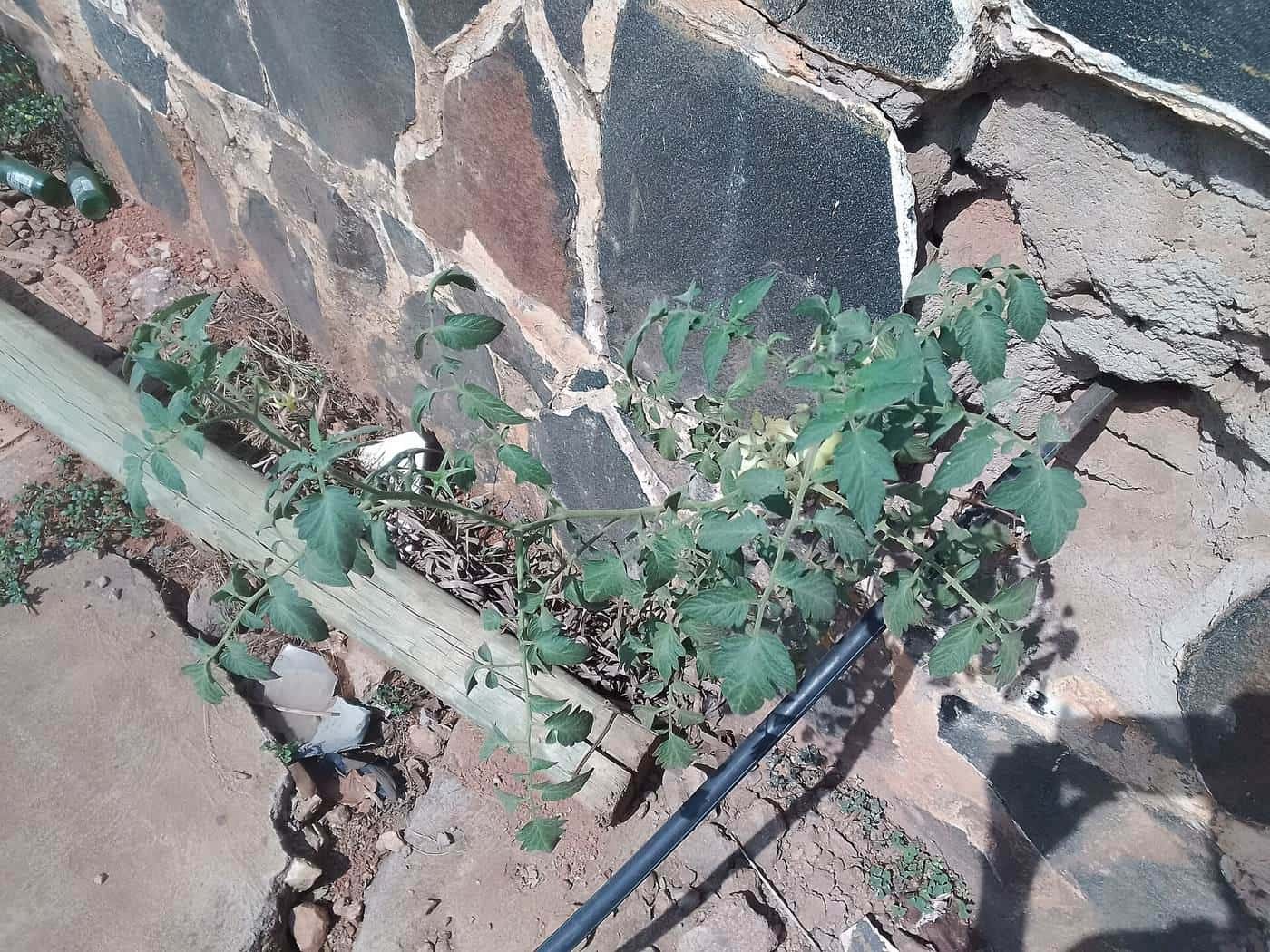
Plant seedlings deeply. Tomatoes grow roots along buried stems, so burying the stem up to the first leaves creates a stronger root system. Space plants to allow airflow, which reduces disease. Put stakes or cages in at planting time to avoid damaging roots later.
Support and pruning
Tie stems to stakes loosely with soft ties as they grow, or use cages or trellises. For indeterminate varieties, many gardeners pinch out some laterals (side shoots that grow between the main stem and leaf branches) to keep plants manageable and improve airflow. Remove lower leaves that touch the soil to reduce disease.
Watering
Steady, deep watering is the key to good tomatoes. Irregular watering is linked to blossom end rot and fruit splitting. Water at the base of the plant rather than over leaves, ideally in the morning, and mulch to keep soil moisture even. Pots may need daily watering in hot weather.
Feeding
Tomatoes are heavy feeders. Prepare soil with compost, then feed regularly once flowering starts with a fertiliser suited to fruiting vegetables, often higher in potassium. Too much nitrogen produces lots of leaves and few fruit.
Common problems
Blossom end rot. A dark, sunken patch at the base of the fruit, linked to calcium not reaching the fruit, usually because of irregular watering. Water consistently and mulch.
Splitting. Fruit cracks after heavy rain or watering following dry spells. Even watering helps.
Fruit fly. Queensland fruit fly and Mediterranean fruit fly lay eggs in ripening fruit. Use exclusion bags or netting, traps and good hygiene, and pick fruit as it colours. Some regions have biosecurity restrictions.
Fungal diseases. Leaf spots, blights and wilts are worse in humid weather. Space plants, water the soil not the leaves, remove affected leaves and rotate crops. Choose resistant varieties.
Caterpillars and grubs. Check plants and remove by hand, or use netting.
Poor fruit set. Very hot or cold weather can stop flowers setting fruit. It usually recovers when conditions improve.
Tomato success
0 of 8 done
Ticks are saved in this browser only.
Common mistakes
- Planting too early into cold soil.
- Irregular watering.
- Overfeeding with nitrogen.
- Crowding plants.
- Planting in the same spot every year.
Harvesting
Pick tomatoes when fully coloured and slightly soft, or pick at first blush and ripen indoors to beat birds and fruit fly. Store at room temperature for best flavour.
Saving seed
Seed from open-pollinated and heirloom varieties can be saved. Scoop seeds from ripe fruit, ferment them in a little water for a few days, rinse, dry thoroughly and store in a cool, dry place.
Tomatoes in pots
Choose compact, bush or dwarf varieties and a large pot, at least 30 to 40 centimetres wide and deep, filled with premium potting mix. Pots heat up and dry out quickly, so water often, mulch the surface and move pots out of the harshest afternoon sun in very hot weather. Feed regularly, because nutrients wash out of potting mix. A sturdy stake or small cage keeps plants upright.
End of season
As the season ends, pick remaining green fruit to ripen indoors or use in chutney. Pull out spent plants, remove fallen fruit to reduce fruit fly and disease, and compost healthy material. Diseased plants are better disposed of in the green waste bin, if your council allows, than added to a home compost heap. Plant a different crop family in the bed next.
Companion plants
Many gardeners grow basil, marigolds and other flowers near tomatoes. Flowers attract beneficial insects such as hoverflies and lacewings that help control pests, and basil is handy to pick at the same time as tomatoes. Evidence for many companion planting claims is limited, but a diverse garden generally supports more beneficial insects.
Raising tomato seedlings
Raising your own seedlings gives you access to far more varieties than nurseries stock. Sow seed in trays of seed-raising mix about six to eight weeks before you plan to plant out, keep them warm and moist, and give them bright light as soon as they emerge so they don't stretch. A sunny windowsill, a mini greenhouse or a warm spot on a heat mat helps in cool areas. Transplant seedlings into individual pots when they have their first true leaves, then harden them off by putting them outside for a few hours a day for a week before planting into the garden.
Choosing tomatoes for hot and humid areas
In the tropics and subtropics, heat, humidity and disease make large heirloom tomatoes hard to grow. Cherry and small-fruited varieties are usually more reliable, and some varieties are bred for heat tolerance and disease resistance. Plant in the drier, cooler months, give plants good airflow and avoid wetting the leaves.
Saving tomato seed
Seed from open-pollinated and heirloom tomatoes grows true to type. Squeeze seeds from a ripe fruit into a jar, let them ferment for a few days, rinse, dry on paper and store in a cool dry place.
Key points
Plant into warm soil at the right time for your zone, choose suitable varieties, plant deep in full sun, stake early, water consistently, feed once flowering and protect fruit from fruit fly.
Frequently asked questions
When should I plant tomatoes?
In temperate and cool zones, plant in spring once soil has warmed and frost risk has passed. In the tropics, the dry season is best. In the subtropics, late winter to spring and late summer to autumn are common windows.
What causes blossom end rot?
Blossom end rot, a dark patch at the bottom of the fruit, is linked to the plant not getting enough calcium into the fruit, usually because of irregular watering. Water consistently and mulch.
Why are my tomatoes splitting?
Splitting often follows heavy rain or watering after a dry spell, when fruit swells quickly. Consistent watering and mulch help.
Should I remove tomato laterals?
Many gardeners pinch out some laterals (side shoots) on tall, indeterminate varieties to keep plants manageable. Bush varieties need little pruning.
Can I grow tomatoes in pots?
Yes. Choose compact or dwarf varieties for smaller pots, use a large pot and quality potting mix, stake the plant and water regularly.
What common mistakes should I avoid when growing tomatoes?
Common problems include planting before the soil has warmed, crowding plants, watering irregularly (which encourages splitting and blossom end rot), splashing water on the leaves, skipping stakes or cages, and growing tomatoes in the same bed every year. Give them full sun, steady deep watering, mulch and good airflow.
Does Epsom salt help tomato plants?
Epsom salt supplies magnesium, but most garden soils already have enough, and it does not prevent blossom end rot, which is linked to calcium uptake and uneven watering. Only add it if a soil test or clear symptoms point to a magnesium deficiency.
Sources and further reading
Facts on this page were checked against these primary and official sources. Conditions change — confirm before you travel or buy.
- Gardening Australia — ABC
- Blossom end rot — Wikipedia
- Fruit fly — Australian Government
- Agriculture Victoria — Agriculture Victoria