Overseas gardening books and many websites tell you to sow tomatoes in April and garlic in October. In Australia, that advice is upside down, and even local advice can be wrong if it was written for a different part of the country. Australia's gardens range from tropical Darwin, where the year is split into wet and dry seasons, to cool Hobart and Canberra, where frost can damage tender plants well into spring.
The key to timing is your climate zone, adjusted for local conditions. Our planting tool shows indicative sowing times by zone and month.
Australia's gardening zones
Gardening guides commonly group Australia into five broad zones. They are based on temperature and rainfall patterns, similar to the climate classifications published by the Bureau of Meteorology.
Tropical
Wet and dry seasons
Darwin, Cairns
Temperate
Four seasons
Sydney, Perth, Adelaide
Cool
Frosty winters
Canberra, Hobart
Tropical. Northern Australia, including Darwin, Cairns, Townsville and the Kimberley. Hot all year, with a humid wet season (roughly November to April) and a drier, milder dry season (roughly May to October). The dry season is the main vegetable season.
Subtropical. South-east Queensland and northern New South Wales, including Brisbane and the Gold Coast. Warm, humid summers and mild winters, with a long growing season. Many crops can be grown for much of the year, but summer heat, humidity and storms make it hard for some.
Arid and semi-arid. Inland Australia, including Alice Springs and large parts of the outback. Very hot summers, cool to cold nights, low and unreliable rainfall, and frost in some areas. Autumn and late winter to spring are key planting windows.
Temperate. Coastal and near-coastal southern Australia, including Sydney, Perth and Adelaide. Warm to hot summers and mild winters with little or no frost on the coast. Spring and autumn are the main planting seasons.
Cool. Southern and elevated areas, including Melbourne, Canberra, Hobart and the tablelands. Cold winters, frost, and a shorter season for warm-season crops.
Microclimates matter
Within each zone, conditions vary. Altitude, distance from the coast, aspect (north-facing gardens get more winter sun), walls that store heat, frost hollows and urban heat can shift planting times by weeks. A sheltered courtyard in Melbourne might grow crops that struggle in an exposed garden in the hills an hour away. Keep notes on what works in your garden.
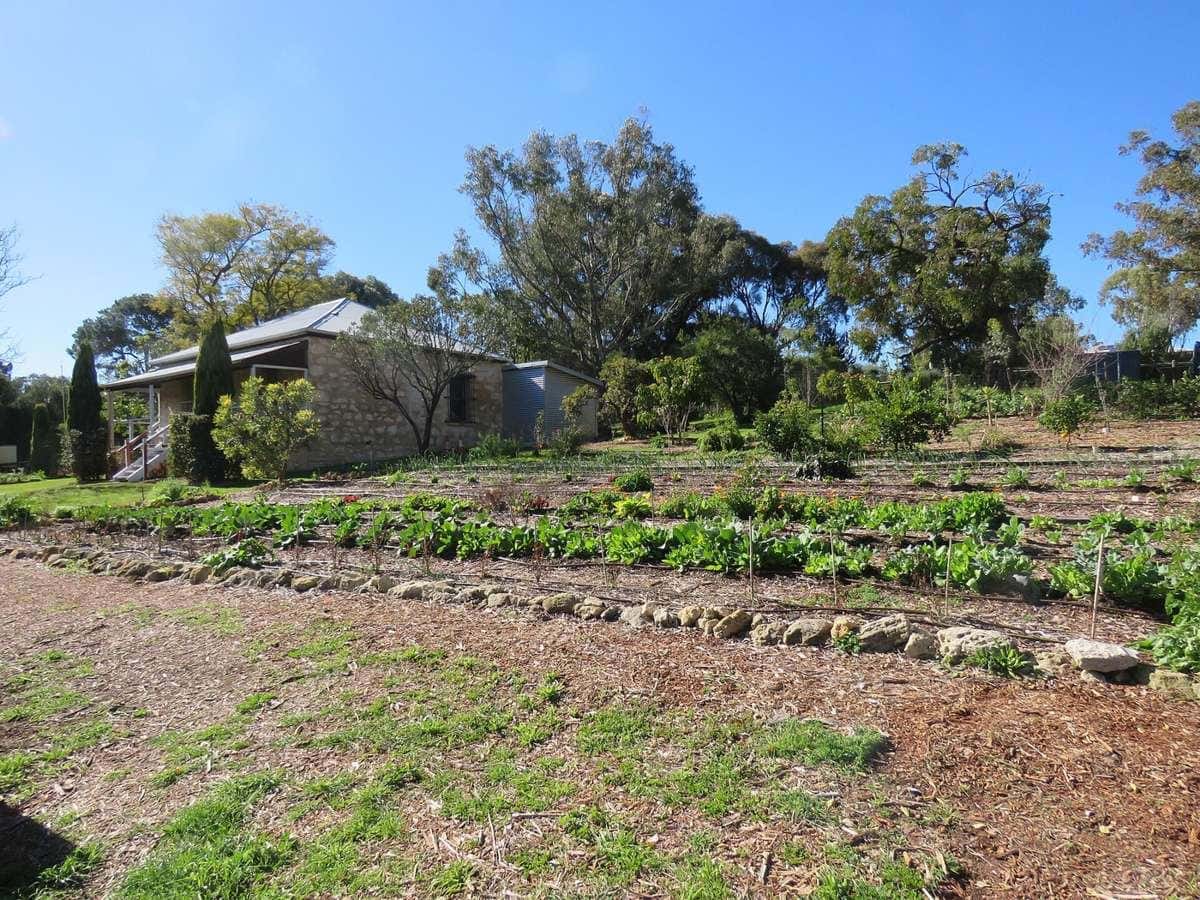
Warm-season and cool-season crops
Warm-season crops need warm soil and no frost. They include tomatoes, capsicum, chilli, eggplant, zucchini, cucumber, pumpkin, beans, sweet corn, basil and melons. Sown too early in cold soil, seeds rot and seedlings stall.
Cool-season crops prefer mild to cool weather and often turn bitter or bolt to seed in heat. They include broccoli, cabbage, cauliflower, kale, peas, broad beans, spinach, lettuce, coriander, onions and garlic.
All-rounders such as silverbeet, beetroot, carrots, radish, lettuce and parsley can be sown over long periods in many zones.
What to plant, season by season
Temperate zones. Spring is the big season for warm-season crops. Summer brings harvest and successive sowings of beans and lettuce. Autumn is for brassicas, peas, broad beans, garlic and onions. In winter, keep sowing peas and leafy greens and plan spring.
Cool zones. Wait until frost risk has passed, often mid to late spring, before planting warm-season crops outside. The season for tomatoes and pumpkins is shorter, so choose faster-maturing varieties. Plant garlic and broad beans in autumn. Winter is slow, but hardy greens and brassicas keep going.
Subtropical zones. Late winter and early spring, and late summer to autumn, are key sowing windows for many crops. Midsummer heat, humidity and heavy rain can be tough for tomatoes and leafy greens. Autumn and winter suit brassicas, lettuce and peas.
Tropical zones. The dry season is the main vegetable season, with tomatoes, lettuce, capsicum, beans, cucumber and many others sown from about autumn into winter. In the wet season, grow heat- and humidity-tolerant crops such as sweet potato, okra, snake beans, Asian greens, kang kong and Ceylon spinach.
Arid zones. Avoid planting tender seedlings into the hottest months. Late summer and autumn, and late winter to spring, are key windows. Shade cloth, windbreaks and mulch make a big difference.
Using a planting guide
Planting guides, seed packets and our tool give broad windows. Within those windows:
- watch soil temperature and the weather, not just the date;
- sow small amounts every few weeks for a continuous harvest;
- choose varieties suited to your zone and season;
- raise seedlings undercover to get a head start in cool areas.
Planning your planting
0 of 6 done
Ticks are saved in this browser only.
Common mistakes
- Following northern hemisphere calendars.
- Planting tomatoes in cold soil.
- Sowing all the lettuce at once.
- Ignoring frost in inland and elevated areas.
- Trying to grow cool-season crops through tropical summers.
Frost protection
In frost-prone areas, frost can kill tender seedlings and damage warm-season crops. Wait until frost risk has passed before planting out, use cloches, frost cloth or row covers on cold nights, and plant on slopes rather than in hollows where cold air settles. The Bureau of Meteorology publishes average frost maps that show which parts of Australia get frequent frosts.
Learning from local gardeners
Local knowledge beats any national guide. Community gardens, gardening clubs, seed savers' groups and local nurseries can tell you what grows well in your area, when locals plant and which varieties cope with your conditions. Many offer workshops and seed swaps.
Changing seasons
Some gardeners notice seasons arriving earlier or later than they used to, or more extreme heat. Keep a garden diary with sowing dates, weather and results, and use it to fine-tune timing from year to year.
Succession planting
Rather than sowing a whole row of lettuce or beans at once, sow a short row every two to four weeks through the season. This gives a steady supply instead of a glut followed by nothing. It works well for lettuce, radish, beans, carrots, coriander and many leafy greens. Keep a few seedlings in trays ready to fill gaps as you harvest.
Growing under cover
Shade houses, greenhouses, polytunnels and cold frames extend seasons. In cool zones, they let you start tomato and capsicum seedlings early and grow tender crops longer into autumn. In hot zones, shade cloth protects leafy greens from harsh summer sun.
Keeping a garden diary
Note sowing dates, varieties and results each season. Over a few years your notes become a planting calendar tuned to your own garden.
Key points
Know your zone and microclimate, separate warm- and cool-season crops, follow local guides rather than overseas calendars, watch soil temperature and frost, and sow little and often.
Frequently asked questions
What climate zone am I in?
Gardening guides usually group Australia into tropical, subtropical, arid or semi-arid, temperate and cool zones. The Bureau of Meteorology publishes climate classification maps, and local nurseries and gardening clubs know local conditions best.
When is the last frost?
It varies widely. Coastal areas may never get frost, while inland and elevated areas can have frosts well into spring. Local records, gardening clubs and experienced neighbours are good guides.
Can I grow tomatoes all year?
In parts of the tropics and subtropics, tomatoes can be grown for much of the year, though the dry season is usually best. In temperate and cool zones, they are a spring and summer crop.
Why do planting guides disagree?
Zones are broad, and conditions vary with altitude, distance from the coast, aspect and the season's weather. Use guides as a starting point and adjust from experience.
What should I plant in winter?
In temperate and cool zones, winter suits garlic (planted in autumn), broad beans, peas, onions, brassicas and leafy greens. In the tropics, the dry winter is prime time for many vegetables.
Sources and further reading
Facts on this page were checked against these primary and official sources. Conditions change — confirm before you travel or buy.
- Climate classification maps — Bureau of Meteorology
- Gardening Australia — ABC
- Frost — Bureau of Meteorology
- Agriculture Victoria – home gardening — Agriculture Victoria