Herbs are the perfect first crop. They're compact, grow fast, suit pots and balconies, and a few plants give you more flavour than a supermarket packet at a fraction of the price. Many are perennials that keep producing for years. With the right spot and a few simple habits, anyone can grow them.
Two kinds of herbs
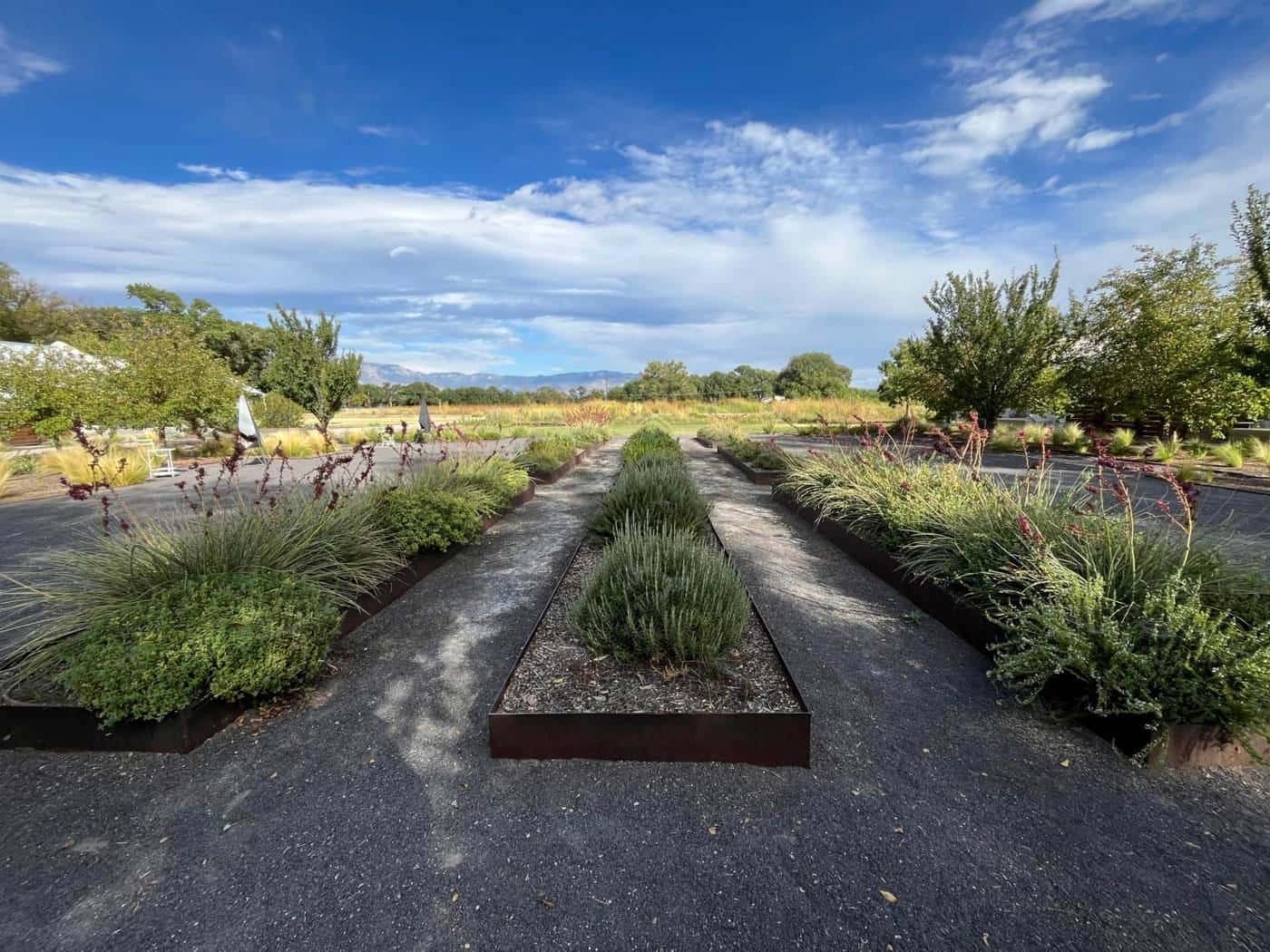
Mediterranean herbs such as rosemary, thyme, oregano, sage, marjoram and lavender come from hot, dry summers and poor, well-drained soils. They love sun, need little water once established and hate wet feet.
Soft, leafy herbs such as basil, parsley, coriander, chives, dill and mint need richer soil and more regular water. Many are annuals or biennials that need replanting.
Knowing which kind you're growing tells you most of what you need to know.
Sun
Most herbs want
At least half a day
Drainage
For Mediterranean herbs
No wet feet
Pick often
Keeps plants bushy
Delays flowering
Easy herbs to start with
- Parsley. Flat-leaf or curly, grows for much of the year in many zones, tolerates part shade.
- Chives. A perennial clump with an onion flavour. Cut it back and it regrows.
- Basil. A warm-season annual that loves heat. Sow in spring in the south, much of the year in the tropics.
- Coriander. A cool-season annual that bolts in heat. Sow in autumn to spring in most zones.
- Mint. Very easy, but spreads aggressively. Grow it in a pot.
- Rosemary, thyme and oregano. Tough perennials for sunny, well-drained spots.
- Vietnamese mint and lemongrass. Great for warm and humid areas.
Where to grow herbs
Grow herbs close to the kitchen so you use them. Most need sun for at least half the day; Mediterranean herbs need full sun. Parsley, mint and chives tolerate some shade.
Garden beds. Mediterranean herbs suit well-drained, even poor soil. Leafy herbs need soil enriched with compost.
Pots. Almost all herbs grow well in pots. Use quality potting mix, pots with drainage holes and a size suited to the plant. Group herbs with similar water needs in the same pot.
Balconies. Check sun and wind. Hot, windy balconies dry pots quickly, so Mediterranean herbs often do best.
Watering and feeding
Water leafy herbs regularly so the soil stays lightly moist. Let Mediterranean herbs dry out between waterings, and water less in cool weather. Pots dry out faster than beds. Feed leafy herbs lightly with a liquid fertiliser every few weeks in the growing season; Mediterranean herbs rarely need feeding and have the best flavour when grown lean.
Harvesting
Pick regularly, from the top of the stems, just above a pair of leaves. This encourages bushy growth. Don't strip more than about a third of a plant at once. Harvest in the morning for the best flavour. Pinch out flower buds on basil to keep it leafy.
Stopping herbs bolting
Bolting is when a plant runs to flower and seed, and leaf quality drops. Coriander, dill, basil, rocket and parsley are prone to it. Grow them in the right season, keep them watered, sow small amounts every few weeks and choose slow-bolting varieties. Bolting isn't all bad: coriander seed and flowers are edible, and flowering herbs attract beneficial insects.
Perennials and replacing herbs
Perennial herbs such as rosemary, thyme and sage can become woody after a few years. Trim them lightly after flowering to keep them compact, and replace or take cuttings when they become sparse. Many herbs grow easily from cuttings.
Potting mix safety
Potting mix can carry Legionella bacteria. NSW Health and other health departments advise wearing gloves and a mask, dampening the mix and washing hands after use.
Weeds and invasive herbs
Some herbs self-seed or spread widely. Mint spreads by runners, and fennel is a declared or environmental weed in some parts of Australia. Check Weeds Australia and your state's weed lists before planting.
Herb garden basics
0 of 7 done
Ticks are saved in this browser only.
Common mistakes
- Overwatering rosemary, thyme and lavender.
- Growing basil in winter in cool zones.
- Planting mint in the ground.
- Not picking often enough.
- Pots that are too small.
Drying and preserving herbs
Pick herbs just before flowering for the strongest flavour. Hang bunches of woody herbs such as rosemary, thyme and oregano upside down in a dry, airy place out of direct sun, then store dried leaves in airtight jars. Soft herbs such as basil, parsley and coriander keep their flavour better frozen, chopped into ice cube trays with a little water or oil.
Herbs for wildlife
Flowering herbs such as thyme, oregano, rosemary, chives, coriander and dill attract bees, hoverflies and other beneficial insects. Leaving a few plants to flower supports pollinators and helps control pests in the vegie patch.
Herbs by climate
In the tropics and subtropics, basil, Vietnamese mint, lemongrass, Thai basil, galangal and turmeric thrive in heat and humidity, while coriander and parsley do best in the drier, cooler months. In temperate zones, most herbs grow well, with basil in the warm season and coriander in the cool. In cool zones, rosemary, thyme, sage, chives and parsley are reliable, and basil needs the warmest months or a sunny, sheltered spot.
Growing herbs from seed and cuttings
Many herbs are easy and cheap to grow from seed. Basil, coriander, dill, parsley and chives grow well sown directly in the garden or in pots at the right time of year. Parsley seed can be slow to germinate, so soak it overnight before sowing. Woody herbs such as rosemary, thyme, sage and lavender are slow from seed but strike easily from cuttings: take a 10 centimetre piece of non-flowering stem, remove the lower leaves, push it into a pot of seed-raising mix and keep it moist and shaded until it roots. Mint, oregano and chives can also be divided by splitting clumps.
Herb pests and problems
Herbs are generally trouble-free, but aphids, caterpillars, snails and slugs can attack soft herbs. Check plants often and remove pests by hand. Root rot is the most common problem for Mediterranean herbs, almost always caused by overwatering or poor drainage. Leggy, weak growth usually means too little sun.
Harvesting and preserving herbs
Pick herbs regularly to keep plants bushy, cutting just above a pair of leaves. Harvest in the morning after dew dries. Dry woody herbs such as oregano, thyme and rosemary by hanging bunches somewhere warm, dark and airy, then store them in airtight jars. Freeze soft herbs such as basil, parsley and coriander chopped in ice-cube trays with a little water or oil, or make pesto.
Key points
Know whether a herb is Mediterranean or leafy, give most herbs plenty of sun, water to suit the type, pick often, grow in the right season to stop bolting and keep spreading herbs in pots.
Frequently asked questions
What are the easiest herbs to grow?
Parsley, chives, mint, rosemary, thyme, oregano and basil (in the warm season) are among the easiest for beginners.
Why does my coriander go to seed?
Coriander bolts (runs to seed) quickly in heat and long days. Sow it in the cooler months in most zones, sow small amounts often and choose slow-bolting varieties.
Should I grow mint in a pot?
Yes, in most gardens. Mint spreads aggressively by underground runners, so a pot keeps it under control.
Can herbs grow indoors?
Some can, on a very bright windowsill, but most herbs grow better outdoors in sun. Indoor herbs often become leggy from low light.
Which herbs are drought tolerant?
Mediterranean herbs such as rosemary, thyme, oregano, sage and lavender tolerate dry conditions once established and dislike wet feet.
Sources and further reading
Facts on this page were checked against these primary and official sources. Conditions change — confirm before you travel or buy.
- Gardening Australia — ABC
- Legionnaires' disease fact sheet — NSW Health
- Weeds Australia — Centre for Invasive Species Solutions
- Herb — Wikipedia