Water is precious in Australia. Much of the country is dry, rainfall is variable, droughts recur, and many cities have permanent water-saving rules. Gardens can use a large share of household water, especially in summer. The good news is that a water-wise garden doesn't have to be a gravel desert. With better soil, mulch, smart watering and the right plants, gardens can stay lush on much less water.
Water deeply, less often
Frequent light sprinkling wets only the surface, encouraging shallow roots that suffer in heat. Deep watering soaks the root zone and encourages roots to grow down, where soil stays moist longer. Plants become tougher and need water less often.
Check before you water. Dig a finger or trowel a few centimetres into the soil. If it's still moist, wait.
Deep
Water deeply
Less often
Morning
Best time
Less evaporation
Local rules
Check your water authority
Times and days
When and how to water
- Water early in the morning when it's cool and still, so less is lost to evaporation and leaves dry during the day, reducing disease.
- Water the soil, not the leaves. Direct water at the root zone.
- Avoid watering in wind or the heat of the day.
- Follow local rules. Many water authorities restrict watering to certain times and days.
Drip irrigation and soaker hoses
Drip irrigation delivers water slowly through emitters close to the plant's roots. It wastes little to evaporation or runoff and can be put on a timer. It suits vegetable beds, shrubs, hedges and pots. Soaker hoses work similarly. Put drip lines under mulch to cut evaporation further, and check them regularly for blockages and leaks.
Sprinklers suit lawns but waste more water to wind and evaporation. If you use them, water early and avoid watering paths and driveways.
Improve the soil
Soil rich in organic matter holds more water. Adding compost to sandy soil helps it hold water; adding it to clay helps water soak in instead of running off. Wetting agents help water-repellent soils. See soil pH and soil types.
Mulch
Mulch reduces evaporation from the soil surface and keeps roots cool. Spread about 5 to 7 centimetres over beds, clear of stems. See mulching.
Group plants by water needs
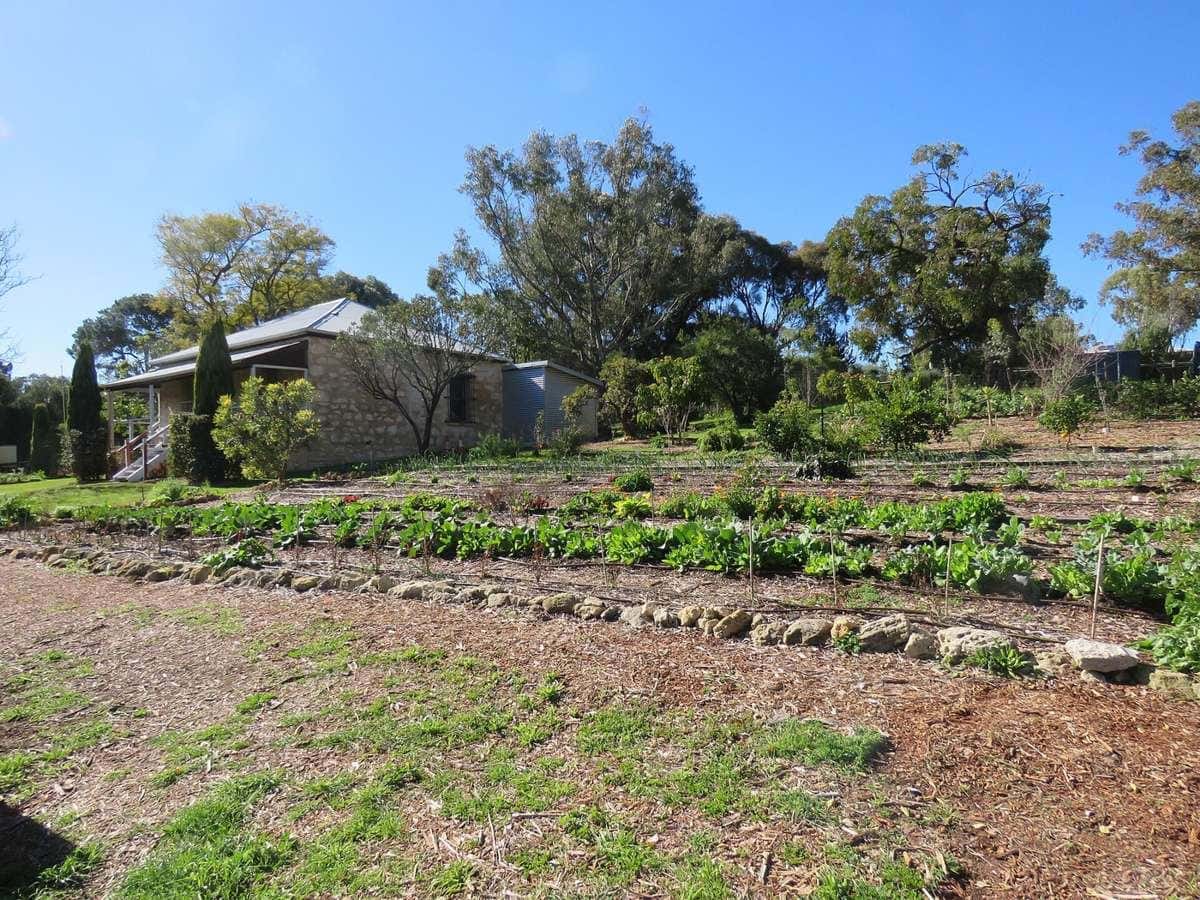
Hydrozoning means grouping plants with similar water needs. Put thirsty plants, such as vegetables and lawn, close to the house and water source. Put drought-tolerant plants in outer areas. This avoids overwatering tough plants to keep thirsty ones alive.
Choose drought-tolerant plants
Many Australian natives, and plants from Mediterranean, South African and other dry climates, cope with dry conditions once established. Look for plants with small, grey, hairy or waxy leaves, which are often adaptations to drought. Even drought-tolerant plants need regular watering while they establish. See native plants.
Rainwater tanks
Rainwater tanks capture free water from your roof for the garden, and can also supply toilets and laundries if plumbed in. Things to know:
- Rules on size, location and approval vary by state and council.
- Connecting a tank to household plumbing must be done by a licensed plumber.
- Tanks must be screened to keep mosquitoes out, and health departments publish guidance on keeping tank water safe.
- First-flush diverters reduce debris entering the tank.
- Some states, councils and water authorities have offered rebates at times; check what's current.
Greywater
Greywater is wastewater from showers, baths, basins and laundries. In many states it can be used on gardens under certain rules, such as applying it below the surface and not on edible plants' leaves. Kitchen water and toilet water (blackwater) are not suitable. Use garden-friendly detergents. Check your state's health or environment department rules before installing a greywater system.
Lawns
Lawns can use a lot of water. Choose a drought-tolerant grass suited to your climate, mow higher in summer, water deeply and infrequently, and keep lawn only where you use it. See lawn care.
Water-wise checklist
0 of 8 done
Ticks are saved in this browser only.
Common mistakes
- Light, frequent sprinkling.
- Watering in the heat of the day or in wind.
- Watering paths and driveways.
- Leaving timers on during rain.
- Mixing thirsty and drought-tolerant plants.
Pots in dry weather
Pots dry out much faster than garden beds. Use larger pots, which hold more water, choose glazed or plastic pots over unglazed terracotta for thirsty plants, add a layer of mulch, group pots together to shade each other and use saucers in very hot weather, emptying them afterwards to avoid mosquitoes. Self-watering pots with reservoirs suit herbs and vegetables.
Checking for leaks
Leaking taps, hoses, fittings and irrigation lines waste a surprising amount of water. Check fittings regularly, replace worn washers and look for unusually green or soggy patches that may indicate a buried leak. Many water authorities suggest checking your water meter when no water is being used to detect hidden leaks.
Understanding water restrictions
Water authorities across Australia manage supplies differently. Many cities have permanent water-saving rules, such as limiting garden watering to the cooler parts of the day, requiring trigger nozzles on hoses and banning hosing of hard surfaces. During drought, stricter levels of restrictions may apply. Rules can differ for drip irrigation, hand watering, rainwater, bore water and recycled water. Check your water authority's website for current rules before setting irrigation timers.
Watering new plants
New plants need regular watering until their roots grow into the surrounding soil, which can take weeks for vegetables and months for trees and shrubs. Water new plantings deeply at planting time, then frequently at first, gradually extending the time between waterings. Planting in autumn in southern Australia, or at the start of the wet season in the north, reduces the watering needed to get plants established.
Rainwater tanks
A rainwater tank collects water from your roof for the garden. Size the tank to your roof area, local rainfall and the area you want to water. Fit a first-flush diverter and leaf screens to keep water clean, and use a pump or gravity feed to drip lines. Some councils and state governments have offered rebates in the past, so check what's currently available. Check local rules on tank installation, and connect to the house only through a licensed plumber.
Greywater
Laundry and bathroom greywater can be reused on gardens in many areas, subject to state and council rules. Use garden-friendly detergents, apply it below the surface rather than spraying, and rotate where it goes.
Key points
Water deeply and less often in the early morning, use drip irrigation, improve soil and mulch, group plants by water needs, choose drought-tolerant plants, capture rainwater and follow your water authority's rules.
Frequently asked questions
How often should I water the garden?
It depends on plants, soil, weather and season. Most established gardens do better with deep watering less often than with frequent light sprinkling. Check soil moisture a few centimetres down before watering.
Are there watering restrictions where I live?
Many water authorities have permanent water-saving rules, such as watering only at certain times, and stricter restrictions in drought. Check your local water authority's website.
Do I need approval for a rainwater tank?
Rules vary by state and council. Many small tanks don't need approval, but connecting a tank to household plumbing must be done by a licensed plumber, and tanks must be mosquito-proofed.
Can I use greywater on the garden?
In many states, greywater from showers, baths and laundries can be used on gardens under certain rules. Kitchen water and toilet water are not suitable. Check your state health or environment department's guidelines.
Is drip irrigation worth it?
Drip irrigation delivers water directly to the root zone with less evaporation and runoff than sprinklers. It suits vegetable beds, shrubs and pots.
Sources and further reading
Facts on this page were checked against these primary and official sources. Conditions change — confirm before you travel or buy.
- Your Home – Water — Australian Government
- Rainwater tanks — NSW Health
- Greywater — Australian Government
- Gardening Australia — ABC