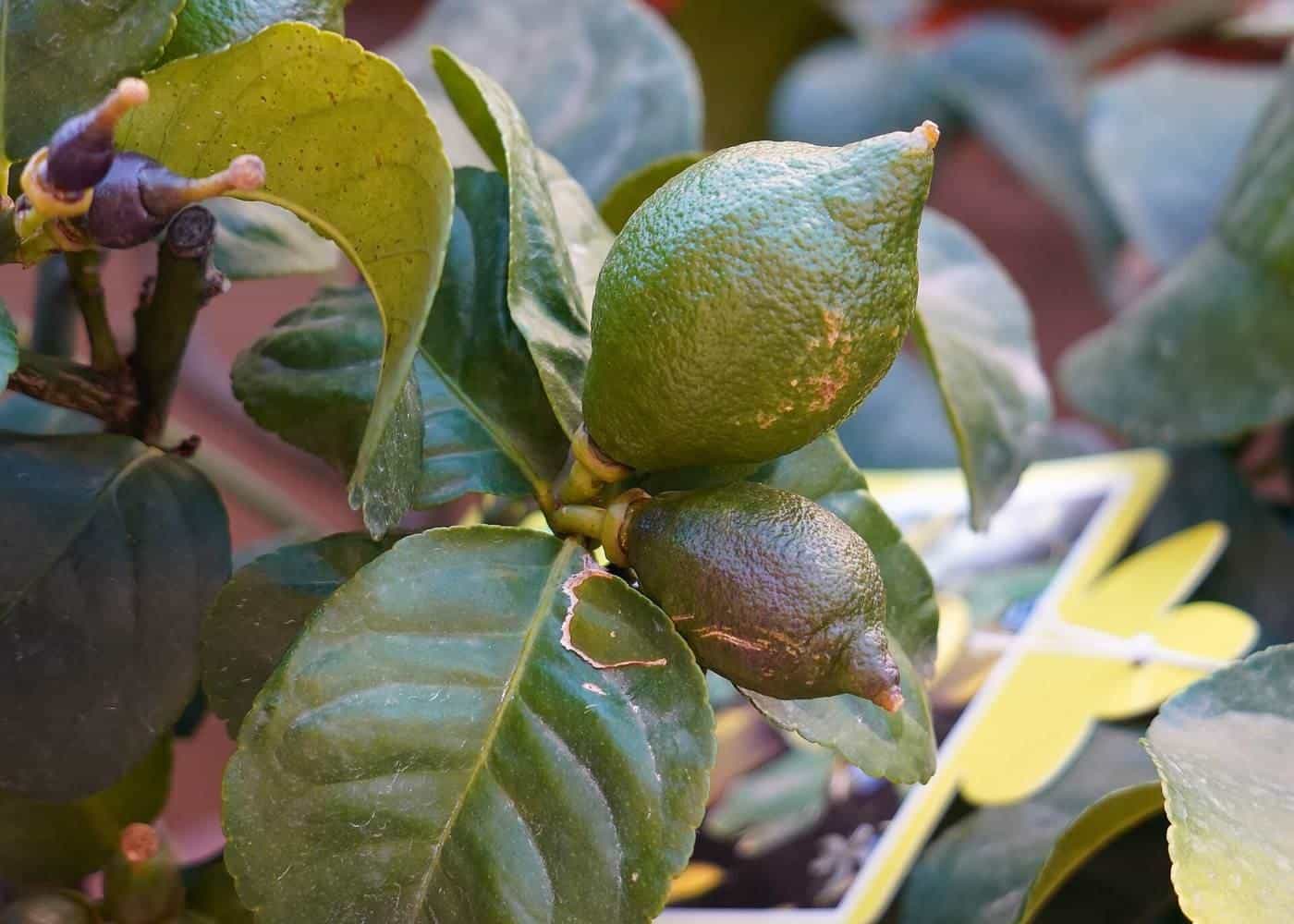
The backyard lemon tree is part of Australian garden culture, and citrus trees reward a little care with years of fruit. Lemons, limes, oranges, mandarins, grapefruit and cumquats can all be grown in many parts of the country, in the ground or in large pots. The key ingredients are sun, good drainage, regular water and feeding, and watching for a few common pests.
Choosing citrus
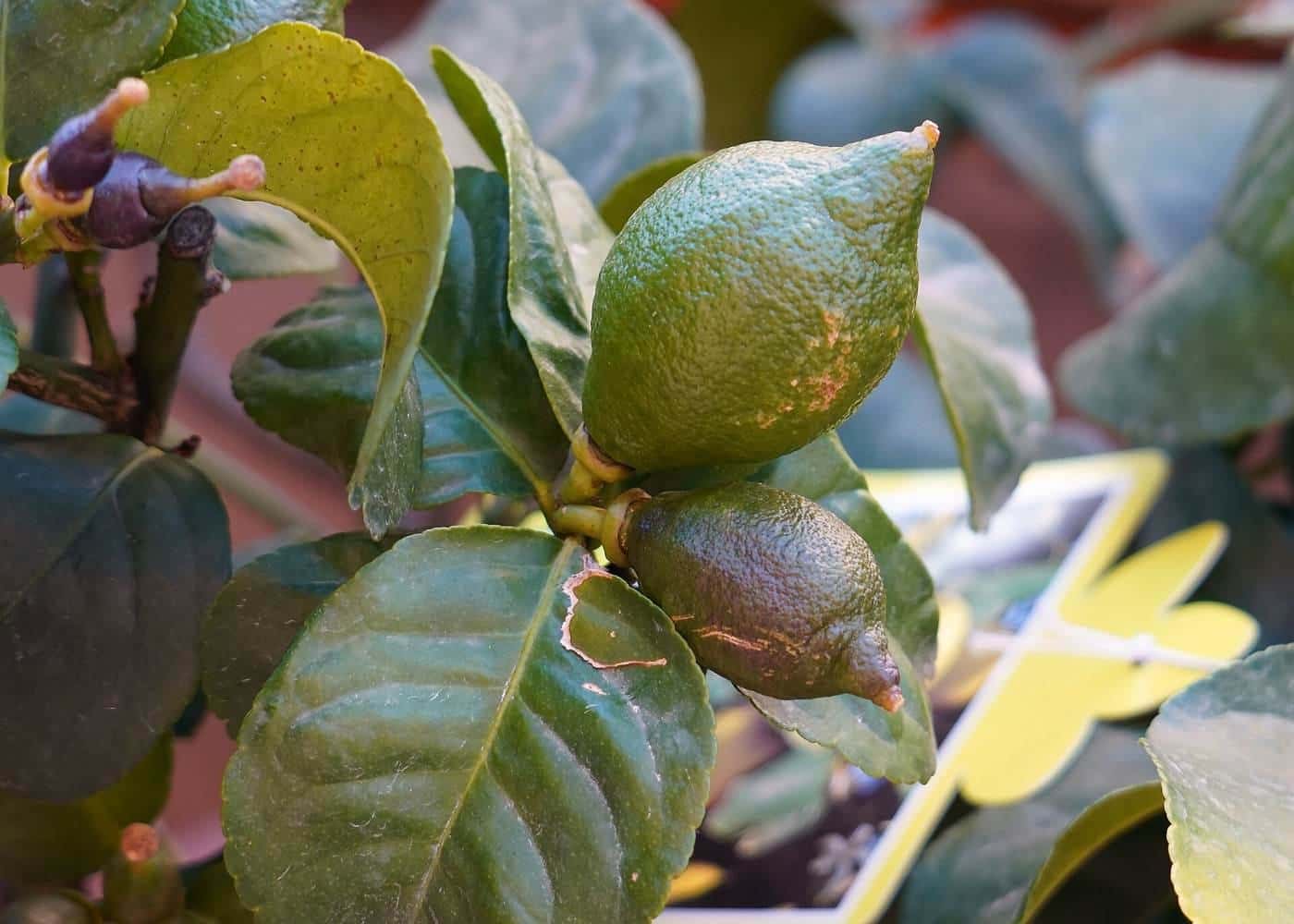
Lemons are the most popular backyard citrus. Eureka and Lisbon are common, and Meyer is a smaller, sweeter lemon well suited to pots.
Limes. Tahitian limes are popular and suit warmer areas. Native Australian finger limes are a distinctive choice.
Oranges. Navels for eating, Valencias for juice. Oranges need warmth to sweeten, so they suit warmer areas.
Mandarins are easy to peel and many varieties suit backyards and pots.
Cumquats are small, ornamental and great in pots.
Dwarf varieties grafted onto dwarfing rootstocks stay smaller and suit small gardens and pots.
Full sun
Best position
Sheltered from wind
Drainage
Essential
Citrus hate wet feet
Twice a year
Typical feeding
Follow the label
Position and soil
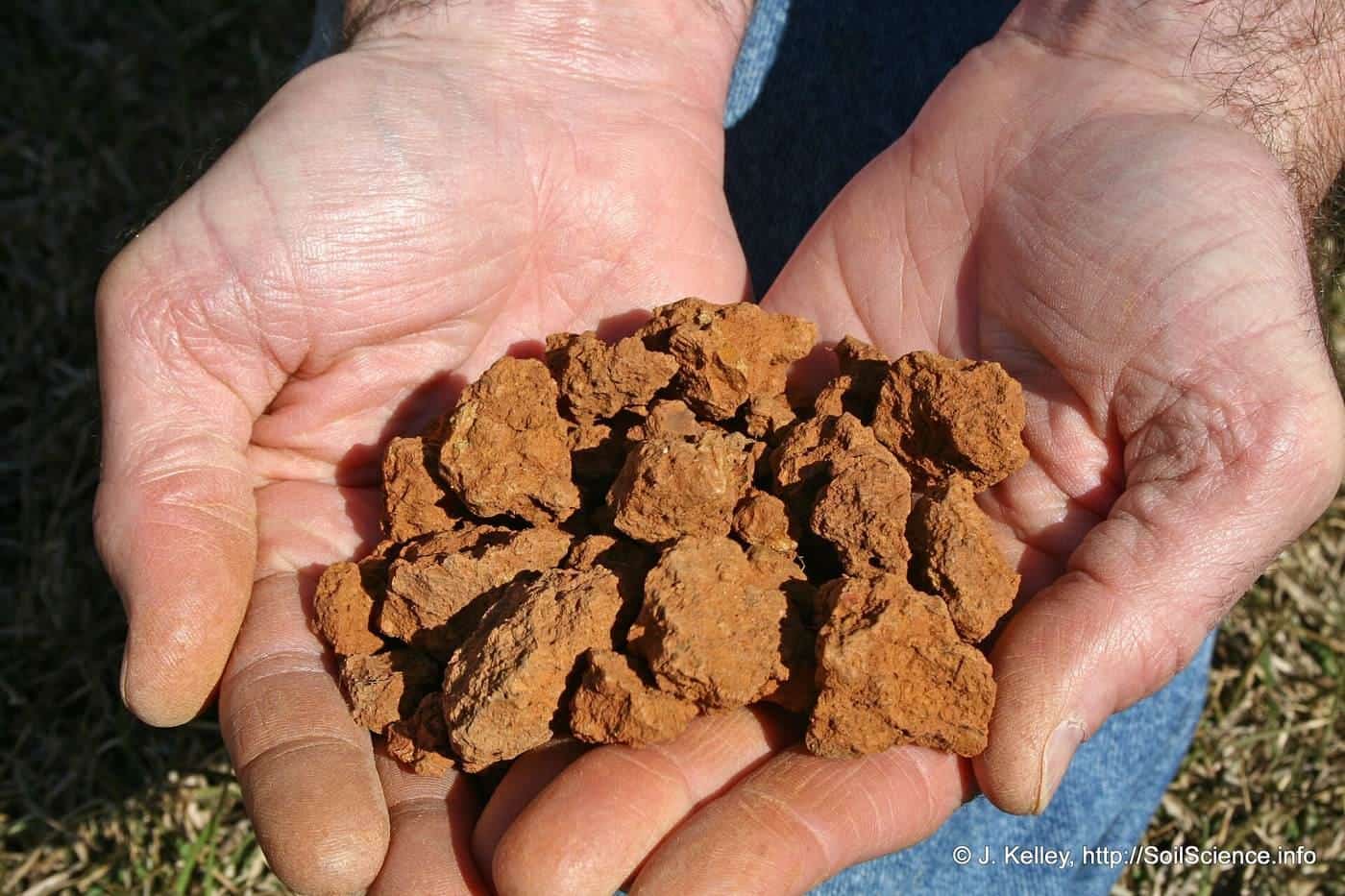
Choose the sunniest, most sheltered spot you have. Citrus need well-drained soil; waterlogged roots lead to root rot and yellow leaves. In heavy clay, plant on a mound or in a raised bed, or grow in a pot. Dig in compost before planting, and check that the soil is slightly acidic to neutral. See soil pH and soil types.
In cool and frost-prone areas, plant against a sunny, north-facing wall for extra warmth and protect young trees from frost.
Planting
Plant in spring or early autumn in most areas, avoiding the heat of summer and the cold of winter. Dig a hole as deep as the root ball and twice as wide, loosen the roots gently and plant at the same depth as in the pot, keeping the graft union well above the soil. Backfill, water well and mulch, keeping mulch clear of the trunk.
Watering
Citrus need regular, deep watering, especially in spring when flowering and fruit set occur, and through hot, dry summers. Irregular watering can cause fruit to drop or split. Water deeply rather than often, and check the soil a few centimetres down before watering again. Pots dry out quickly in summer and may need water daily in heat.
Feeding
Citrus are hungry plants. Many guides recommend feeding in late winter or early spring and again in late summer or early autumn with a citrus fertiliser, spread around the drip line (the edge of the canopy) and watered in well. Organic options include pelletised manure and compost. Follow label rates; over-feeding can burn roots.
Mulching
Mulch the root zone to keep soil moist and cool, but keep mulch clear of the trunk to prevent collar rot. See mulching.
Pruning
Citrus need little pruning. Remove dead, diseased or crossing branches, suckers growing from below the graft, and branches touching the ground. Light shaping after harvest keeps trees compact. Avoid heavy pruning in hot weather, which can sunburn exposed bark.
Common problems
Yellow leaves. Often caused by nutrient deficiencies, cold, poor drainage or watering problems. Check drainage and watering first. Yellowing between green veins on older leaves can indicate magnesium deficiency, and on new leaves iron deficiency; citrus fertilisers contain trace elements.
Citrus gall wasp. In eastern Australia, citrus gall wasp lays eggs in new stems, creating woody swellings. NSW DPI advises cutting off and disposing of galls in winter, before adult wasps emerge in spring.
Fruit fly. Queensland fruit fly and Mediterranean fruit fly damage citrus and many other fruits. Use exclusion netting, traps and good hygiene, picking up fallen fruit. Some states and regions have biosecurity restrictions on moving fruit to stop fruit fly spreading. Check your state's rules.
Scale, aphids and leaf miner. Monitor new growth. Many can be managed with horticultural oils used according to the label.
Bronze orange bug and spined citrus bug. Large sap-sucking bugs in warmer areas. Remove by hand, wearing gloves and eye protection, because they can squirt an irritating liquid.
Citrus in pots
Use a large pot, at least 40 to 50 centimetres wide for a dwarf tree, with drainage holes, and a premium potting mix. Water more often than in-ground trees, feed regularly with a citrus fertiliser, and repot or root-prune every few years. Move pots to shelter in frosty areas.
Citrus care
0 of 7 done
Ticks are saved in this browser only.
Common mistakes
- Planting in poorly drained soil.
- Burying the graft union.
- Letting pots dry out in summer.
- Piling mulch against the trunk.
- Over-pruning in summer.
Harvesting
Citrus ripen on the tree and don't continue ripening after picking. Pick when fruit is fully coloured and tastes right. Many citrus can hold on the tree for weeks or months once ripe. Use secateurs or twist gently to avoid tearing the skin.
Young trees
Remove fruit from very young trees in their first year or two so the tree puts energy into growing roots and branches. Water young trees regularly until established, and protect them from frost, strong wind and hot afternoon sun if needed.
Citrus by climate
Citrus grow best in warm, frost-free areas, but many types can be grown across much of Australia. Lemons, limes and mandarins suit temperate and subtropical gardens. Oranges need plenty of warmth to sweeten. In the tropics, limes, pomelos and some mandarins do well, while lemons can be less productive in heavy humidity. In cool and frosty areas, choose hardier types such as Meyer lemons and cumquats, plant against a sunny wall, or grow citrus in pots that can be moved to shelter.
Fruit drop
Citrus naturally drop some young fruit after flowering, which is normal. Heavy fruit drop can be caused by water stress, heat waves, sudden changes in watering or lack of nutrients. Water deeply and consistently through spring and summer, mulch and feed on schedule. Older trees sometimes fruit heavily one year and lightly the next; thinning fruit in a heavy year can even this out.
Harvesting and storing citrus
Citrus don't keep ripening after picking, so leave fruit on the tree until it is fully coloured and tastes sweet. Many types hold well on the tree for weeks, which makes the tree a natural store. Cut or twist fruit off gently, leaving a short stalk. Picked fruit keeps for a week or two at room temperature and longer in the fridge. Juice and zest surplus fruit and freeze it, or make marmalade and preserved lemons.
Key points
Give citrus full sun, shelter and excellent drainage, water deeply and regularly, feed twice a year, mulch clear of the trunk, prune lightly and watch for gall wasp, fruit fly and other pests.
Frequently asked questions
Why are my citrus leaves yellow?
Common causes include nutrient deficiencies (such as nitrogen, iron or magnesium), cold weather, poor drainage and over- or under-watering. Check drainage and watering first, then feed with a citrus fertiliser.
When should I fertilise citrus?
Many guides recommend feeding citrus in late winter or early spring and again in late summer or autumn, using a citrus fertiliser and watering it in well. Follow the label.
Can I grow citrus in a pot?
Yes. Dwarf varieties and smaller types such as Meyer lemons, Tahitian limes, cumquats and some mandarins do well in large pots with good potting mix, regular watering and feeding.
What are the lumps on my citrus branches?
In eastern Australia, woody swellings on stems are often caused by citrus gall wasp. Cut off and dispose of galls in winter, before adult wasps emerge in spring.
Does citrus need full sun?
Citrus grows and fruits best in full sun, sheltered from strong wind, with well-drained soil.
Sources and further reading
Facts on this page were checked against these primary and official sources. Conditions change — confirm before you travel or buy.
- Citrus gall wasp — NSW Department of Primary Industries
- Queensland fruit fly — Australian Government
- Gardening Australia — ABC
- Citrus — Wikipedia