Good garden design isn't just about looks. A garden that suits its climate, soil and the way people use it is easier to care for, uses less water and supports birds, insects and other wildlife. In Australia, that often means choosing plants adapted to heat, dry spells and poor soils, creating shade and shelter, and designing for how the garden will be used every day.
Guides in this section
- Australian native plants: choosing, planting and caring for natives.
- Lawn care: choosing grass, mowing, watering, feeding and alternatives.
- Growing roses: planting, pruning, feeding and common problems.
- Paths, edging and paving: materials, drainage and building basics.
Observe
Before you plan
Sun, wind, soil, water
Local natives
Wildlife-friendly
Food and shelter
Weed lists
Check before buying
By state
Start by observing
Spend time in the garden before making big changes. Watch where the sun falls in summer and winter, where water collects after rain, where wind comes from, where the soil is sandy or clay and where you naturally walk and sit. Note views you want to keep or hide, and existing trees worth protecting. These observations shape everything else.
Plan how you'll use it
Think about what you want from the garden: a place to eat outdoors, a play area, a vegie patch, a quiet corner, a habitat for birds, somewhere for the dog. Sketch areas for each use, with paths linking them. Put the vegie patch and herbs close to the kitchen, play areas where you can see them, and plants that need the most care where you'll pass them often.
Plant for your climate
Choose plants suited to your rainfall, temperature, frost and soil. Native plants from your region are often a great choice, but many exotic plants from similar climates, such as the Mediterranean, South Africa or South America, also do well in parts of Australia. Group plants with similar water needs together. See native plants.
Lawns and alternatives
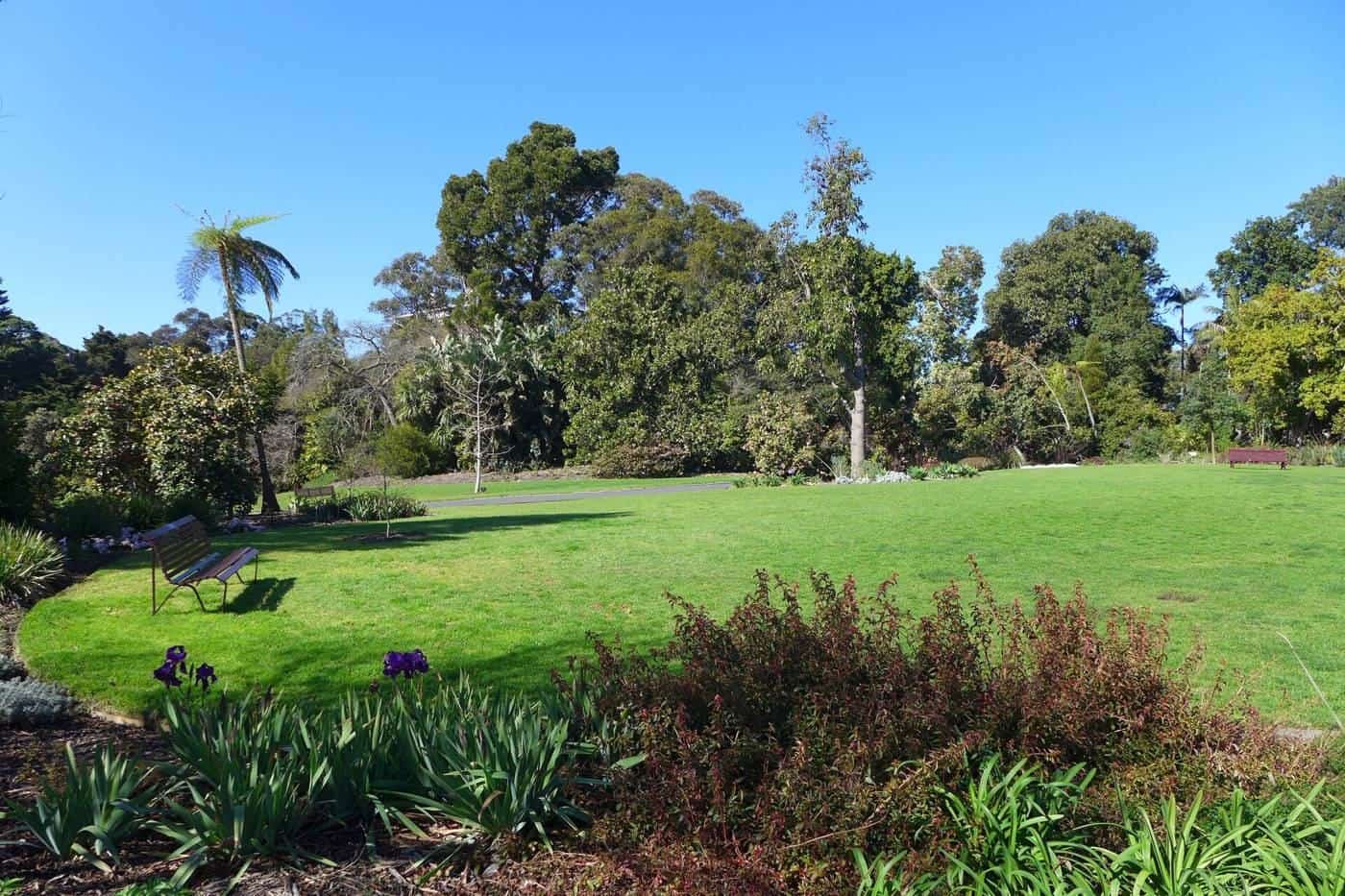
Lawns are great for play and can cool the surrounding area, but they need water, mowing and feeding. Choose a grass suited to your climate and use, keep lawn to the areas you really use, and consider groundcovers, gravel, mulched beds or native grasses elsewhere. See lawn care.
Hard landscaping
Paths, paving, edging, retaining walls and decks give a garden structure. Choose permeable materials where possible so rain soaks into the soil instead of running off, plan drainage carefully, and use materials suited to the style of the house. See paths, edging and paving.
Gardens for wildlife
Layers of plants (trees, shrubs, groundcovers and grasses) provide food and shelter for birds, lizards and insects. Dense, prickly shrubs give small birds protection. Water sources, such as a shallow bird bath, help wildlife in hot weather. Avoiding unnecessary pesticides protects beneficial insects. Many councils run programs that support habitat gardens.
Weeds
Some popular garden plants spread into bushland and become serious environmental weeds. Each state and territory keeps lists of declared and environmental weeds, and Weeds Australia publishes information on weed species. Check before you plant, and remove known weeds before they set seed. Never dump garden waste in bushland.
Common mistakes
- Planting without checking mature size.
- Mixing thirsty and drought-tolerant plants in the same bed.
- Planting known weeds.
- Forgetting drainage when paving.
- Lawn in shady, unused corners where it struggles.
Fire-prone areas
If you live in a bushfire-prone area, garden design can affect how a fire behaves around your home. State fire services publish advice on managing vegetation near buildings, such as keeping a defendable space, avoiding flammable mulches and plants close to the house, separating trees and shrubs, and removing dead material. Check your state fire service's guidance.
Small gardens and balconies
Small spaces can be beautiful and productive. Use vertical space with climbers, trellises and wall planters, choose compact or dwarf varieties, use pots of different heights, and repeat a limited palette of plants and colours for a calm look. Check weight limits and drainage on balconies, and secure pots against wind.
Choosing trees
Trees give shade, cool the garden and house, provide habitat and add height, but the wrong tree in the wrong place can cause problems. Check the mature height and spread, keep large trees well away from buildings, pipes and power lines, and choose species suited to your climate and soil. Many councils protect significant trees and have rules on removal and pruning, so check before cutting any large tree. Deciduous trees let winter sun through, while evergreens give year-round shade and screening.
Gardens for children
Children enjoy gardens with space to run, places to hide, things to grow and creatures to find. Include lawn or soft surfaces for play, a small vegie patch or pots of quick crops such as radish and snow peas, and plants with interesting textures and scents. Avoid poisonous and prickly plants near play areas, and keep chemicals, tools and water features safe.
Key points
Observe your site first, plan how you will use the space, choose plants suited to your climate and soil, keep lawn where it's useful, design hard landscaping with drainage in mind, check weed lists and plant for wildlife.
Guides in this section
Garden design
Australian native plants
Growing Australian native plants at home: choosing natives for your area, planting, watering, pruning and low-phosphorus feeding.
Read · 5 min
Garden design
Lawn care
Lawn care for Australian conditions: warm-season and cool-season grasses, mowing height, watering, feeding, weeds, shade, aeration and low-water lawn alternatives.
Read · 5 min
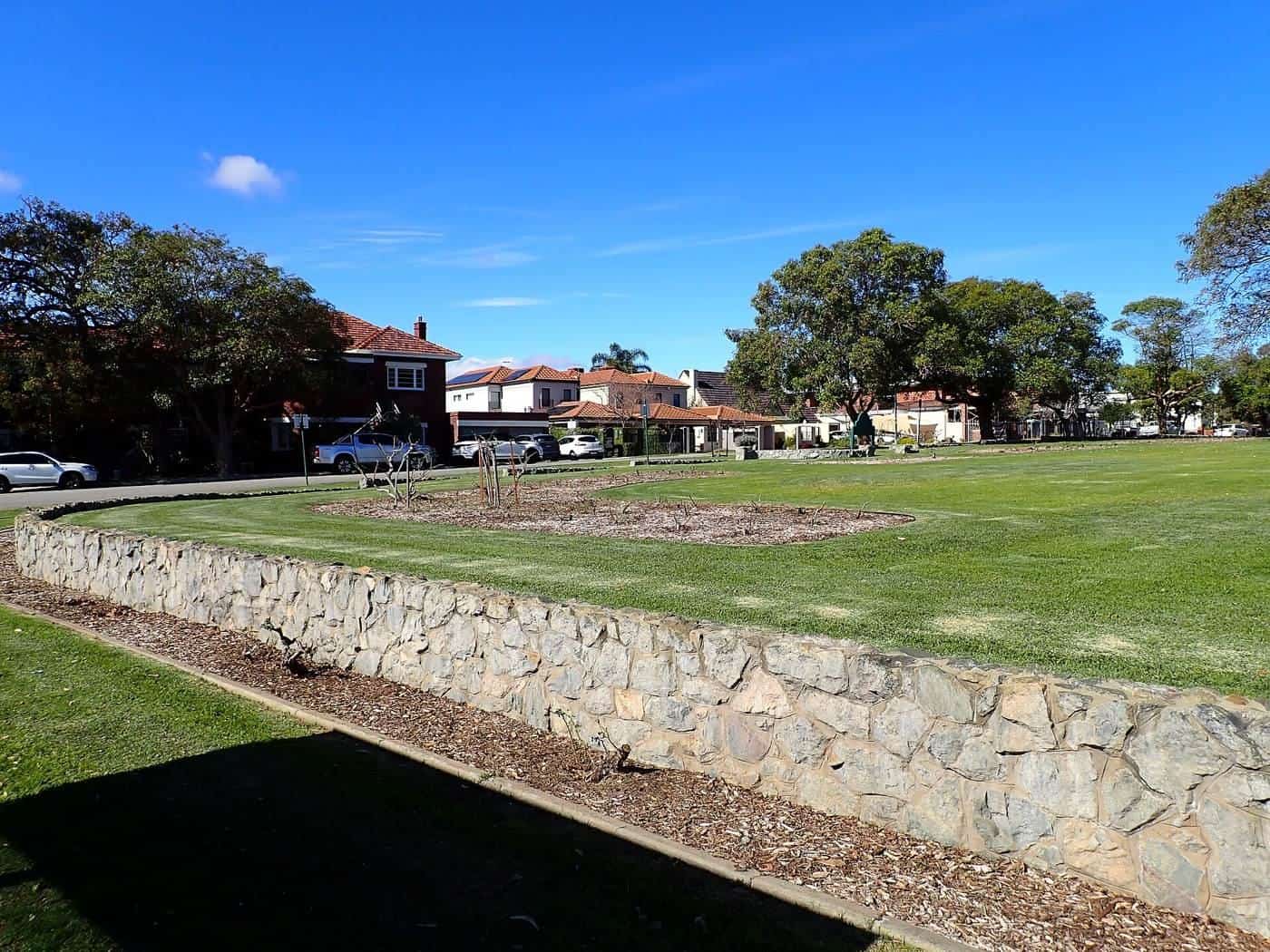
Garden design
Growing roses
How to grow roses in Australia: choosing varieties, planting, watering, feeding, winter pruning and managing pests and disease.
Read · 5 min
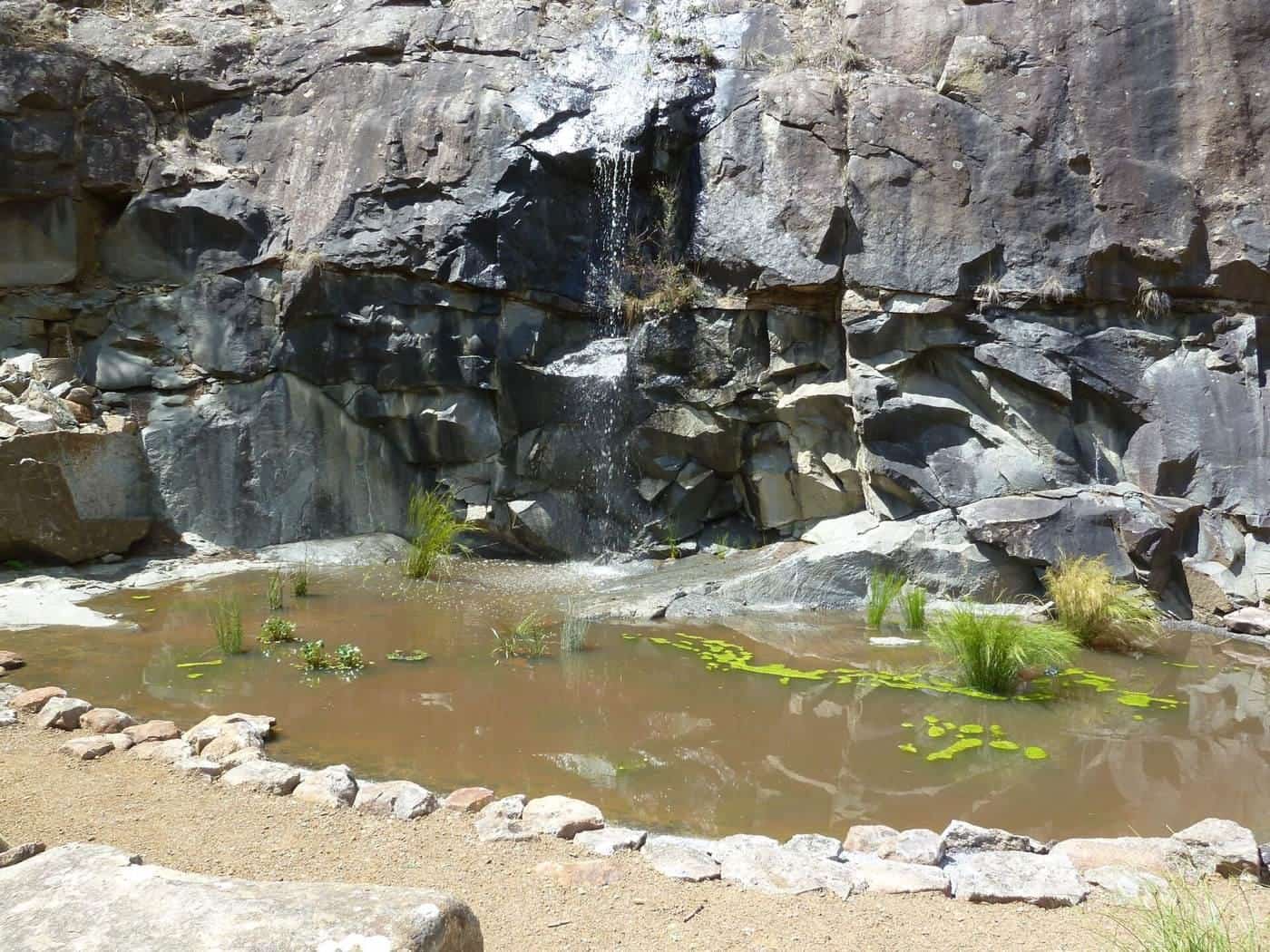
Garden design
Paths, edging and paving
Garden paths, edging and paving ideas: gravel, stepping stones, brick and pavers, plus how to lay them and edge garden beds.
Read · 5 min
Frequently asked questions
How do I start designing a garden?
Observe the site through the seasons, note sun, shade, wind, soil and drainage, decide how you want to use the space, then choose plants and materials that suit those conditions.
Are native plants low maintenance?
Many are, once established, especially if they come from a climate and soil similar to yours. They still need watering while establishing, occasional pruning and the right conditions.
Which lawn grass is best?
It depends on climate, sun, use and water. Warm-season grasses such as buffalo, couch, kikuyu and zoysia suit warmer areas; cool-season grasses such as fescue and ryegrass suit cooler areas.
How do I know if a plant is a weed?
Check your state or territory's weed lists and Weeds Australia. Some popular garden plants are environmental weeds in certain regions.
Do I need approval for paving or retaining walls?
Small paths and paving usually don't need approval, but retaining walls above certain heights, work near boundaries and changes to drainage may. Check with your council.