Paths, edging and paving are the bones of a garden. They guide people through it, define beds and lawns, create places to sit and eat, and make gardens easier to maintain. They're also expensive to fix if built badly. Poor drainage, a weak base or the wrong material can lead to puddles, cracked pavers, trip hazards, weeds and water flowing towards the house.
Planning paths
Start with how people move through the garden. Paths should link the house, clothesline, bins, shed, vegie patch and gate in the most natural line. People take shortcuts, so a path that wanders too far will be ignored. Main paths need to be wide enough for wheelbarrows and two people side by side; secondary paths can be narrower. Curves soften a garden; straight lines suit formal designs.
Permeable
Lets water soak in
Reduces runoff
Fall away
From buildings
For drainage
BYDA
Before you dig
Free enquiry
Path materials
Gravel and crushed rock. Affordable, permeable and easy to lay. Use an edge to contain it and compact it well. Decomposed granite and crushed rock bind together better than round pebbles, which roll underfoot.
Mulch and bark. Cheap and soft for informal, woodland or vegie garden paths, but needs topping up.
Stepping stones. Stone, concrete or timber pavers set into lawn, gravel or groundcovers. Set them at a comfortable stride.
Pavers. Brick, concrete and stone pavers laid on a compacted base. Durable and attractive, and can be laid with open joints for permeability.
Concrete. Durable and low-maintenance, but impermeable and harder to change. Exposed aggregate and coloured finishes add interest.
Timber boardwalks and decking. Suit sloping or wet sites. Use suitable treated timber or durable species.
Edging
Edges keep lawn out of beds, contain gravel and mulch, and create clean lines. Options include:
- Steel edging: slim, flexible and long-lasting, good for curves.
- Brick or paver edging: set in mortar or on a compacted base.
- Concrete edging: durable and good as a mowing strip.
- Timber sleepers: affordable, but can rot; use treated or durable timber.
- Stone: natural look, good for informal gardens.
A mowing strip, a flat edge at lawn level, lets mower wheels run along it and reduces trimming.
Paving and patios
Paved areas for outdoor dining and entertaining need a solid, well-drained base. Typical steps:
- Mark out the area and check levels.
- Call Before You Dig Australia before excavating to locate underground services.
- Excavate to allow for the base, bedding layer and pavers.
- Lay and compact a road base or crushed rock base in layers.
- Screed a bedding layer of sand or crusher dust.
- Lay pavers with a slight fall away from buildings for drainage.
- Fill joints and compact.
Large or complex paving, paving near buildings or over services, and work involving stormwater are best done by experienced landscapers.
Drainage
Paving and paths change how water moves. Make sure paving falls away from the house, doesn't block subfloor vents or weep holes, and doesn't direct water onto neighbouring properties. Impermeable surfaces send more water into drains; permeable materials let it soak into the soil, helping trees and reducing runoff. Stormwater and drainage work may need a licensed plumber and must meet local rules.
Retaining walls
Retaining walls hold back soil on sloping sites. Low garden walls are often DIY projects, but walls above certain heights, near boundaries, or supporting driveways, buildings or other structures may need council approval and engineering design. All retaining walls need drainage behind them to relieve water pressure. Check your council's rules before building.
Sustainability
Choose permeable surfaces where possible, use recycled bricks, pavers and timber, keep paving to the areas you need, and plant trees to shade paving, which can get very hot in summer. Light-coloured materials reflect more heat than dark ones.
Before you pave
0 of 7 done
Ticks are saved in this browser only.
Common mistakes
- Skipping the compacted base.
- Paving that falls towards the house.
- Round pebbles on main paths.
- Timber edges that rot quickly.
- Building retaining walls without drainage or approval.
Garden features
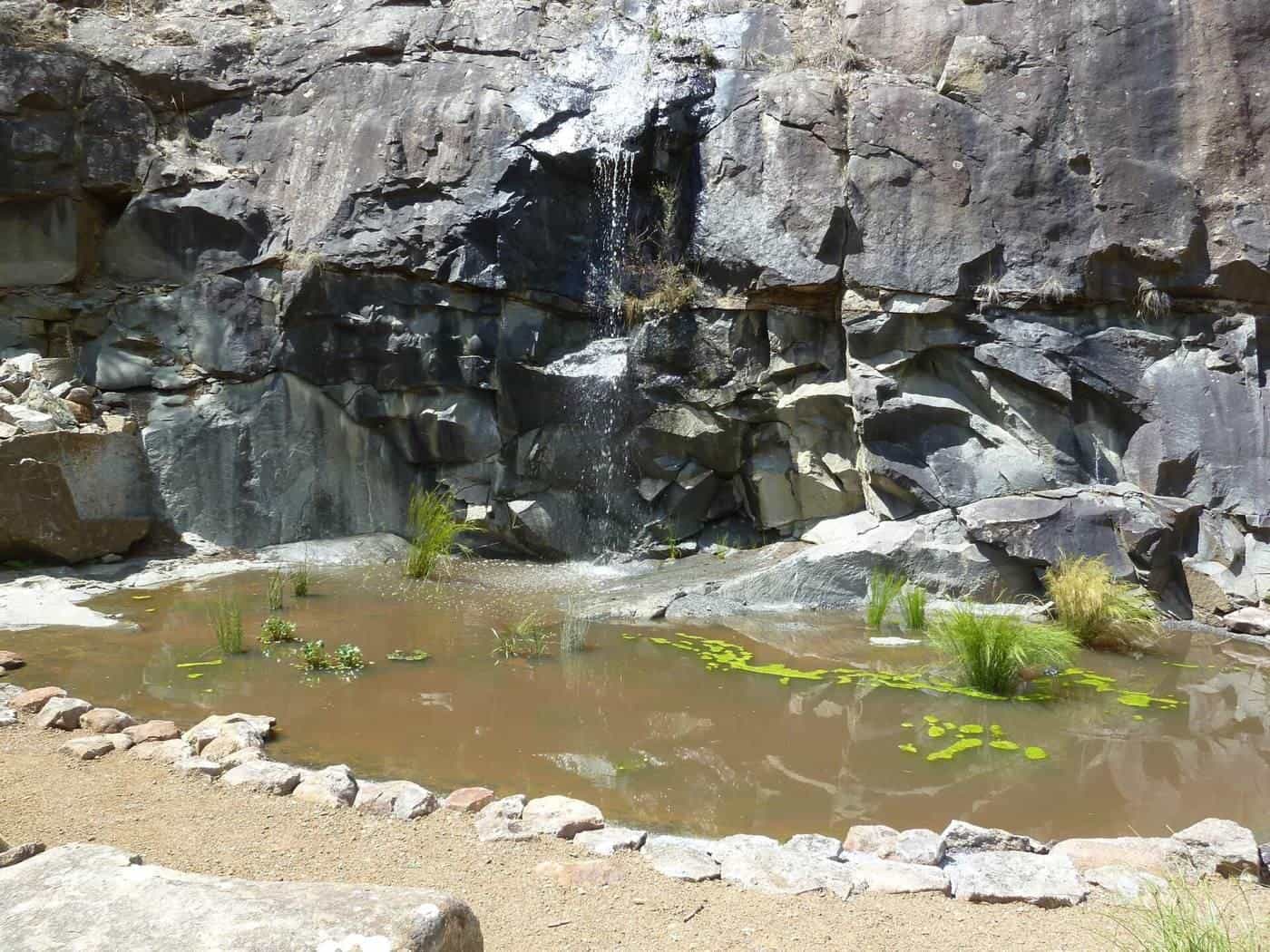
Old-fashioned garden features such as fountains, water features, pebble beds and flower bed borders are still popular. Water features need a safe, stable base, a pump suited to the size, regular cleaning, and, for ponds, consideration of child safety and pool fencing rules where applicable. Check your state and council rules on garden ponds and water features. Pebble beds suit dry gardens and succulent plantings.
Safety
Make paths non-slip, especially on slopes and in shaded areas where moss and algae grow. Add steps or ramps on steep slopes, light main paths for night use, and keep edges flush to avoid trip hazards.
Laying a gravel path
Gravel paths are a good DIY project. Mark out the path, remove the turf and topsoil to a depth of about 10 to 15 centimetres, install a firm edge along each side, lay and compact a base of road base or crushed rock, then add a top layer of decomposed granite, crushed rock or gravel and compact it. A slight camber or fall helps water run off. Top up as needed. Weed matting under gravel can slow weeds, but a well-compacted base usually works better.
Stepping stone paths
Stepping stones are simple and suit informal gardens. Lay them out at a comfortable stride for the people who use the path most, cut around each stone, remove soil to the stone's depth plus a few centimetres, add a bed of sand or crushed rock, and set the stone flush with the surrounding ground so mowers pass over and nobody trips.
Brick paths and patios
Recycled bricks give a warm, traditional look and are a good way to reuse materials. Lay them on a compacted base and sand bed, in patterns such as stretcher bond, basket weave or herringbone. Herringbone is strongest for areas with heavy traffic. A solid edge restraint stops bricks spreading.
Edging garden beds
Good edges keep lawn out of garden beds, hold mulch in place and give the garden a neat outline. Options include steel edging, which is slim, flexible for curves and long-lasting; timber sleepers, which are affordable but eventually rot unless treated; brick or stone, which suits traditional gardens; concrete mowing strips; and simple spade-cut edges, which are free but need regular recutting. A mowing strip set flush with the lawn lets you mow right up to the edge without trimming.
Choosing a path width
Main paths should be at least about a metre wide so two people or a wheelbarrow can pass easily. Secondary paths through beds can be narrower. Allow extra width where plants will spill over the edges.
Key points
Plan paths along natural routes, choose materials for use and style, prefer permeable surfaces, build on a compacted base, ensure paving drains away from buildings, call BYDA before digging and check rules for retaining walls.
Frequently asked questions
What is the cheapest garden path?
Gravel, crushed rock, mulch or stepping stones are usually cheaper than paving or concrete, and easier for DIY. Costs depend on area, materials and site preparation.
What is permeable paving?
Paving that lets water soak through or between pavers into the ground, such as gravel, open-jointed pavers and permeable pavers. It reduces runoff and helps water reach tree roots.
How should paving fall?
Paving should slope slightly away from buildings so water drains away from the house. Your council and building rules may set requirements, and a landscaper can advise on suitable falls.
Do retaining walls need approval?
Small garden walls often don't, but walls above certain heights, near boundaries or that support structures may need council approval and engineering. Check with your council.
How do I stop grass growing into garden beds?
Install a solid edge, such as steel, brick, timber or concrete, set deep enough to block runners, and trim regularly.
Sources and further reading
Facts on this page were checked against these primary and official sources. Conditions change — confirm before you travel or buy.
- Before You Dig Australia — BYDA
- Your Home – Sustainable landscaping — Australian Government
- Gardening Australia — ABC
- Permeable paving — Wikipedia