Many gardening problems start in the soil. Plants that sulk, yellow or die despite watering and feeding are often struggling with soil that drains badly, dries out, has the wrong pH or lacks organic matter. Understanding your soil's texture and pH helps you choose the right plants and fix problems at the source.
Soil texture
Soil is made of mineral particles of different sizes: sand (largest), silt and clay (smallest). The proportions give soil its texture.
Sandy soil. Gritty, drains quickly, warms fast in spring and is easy to dig, but holds little water or nutrients. Common on coastal plains, including much of Perth.
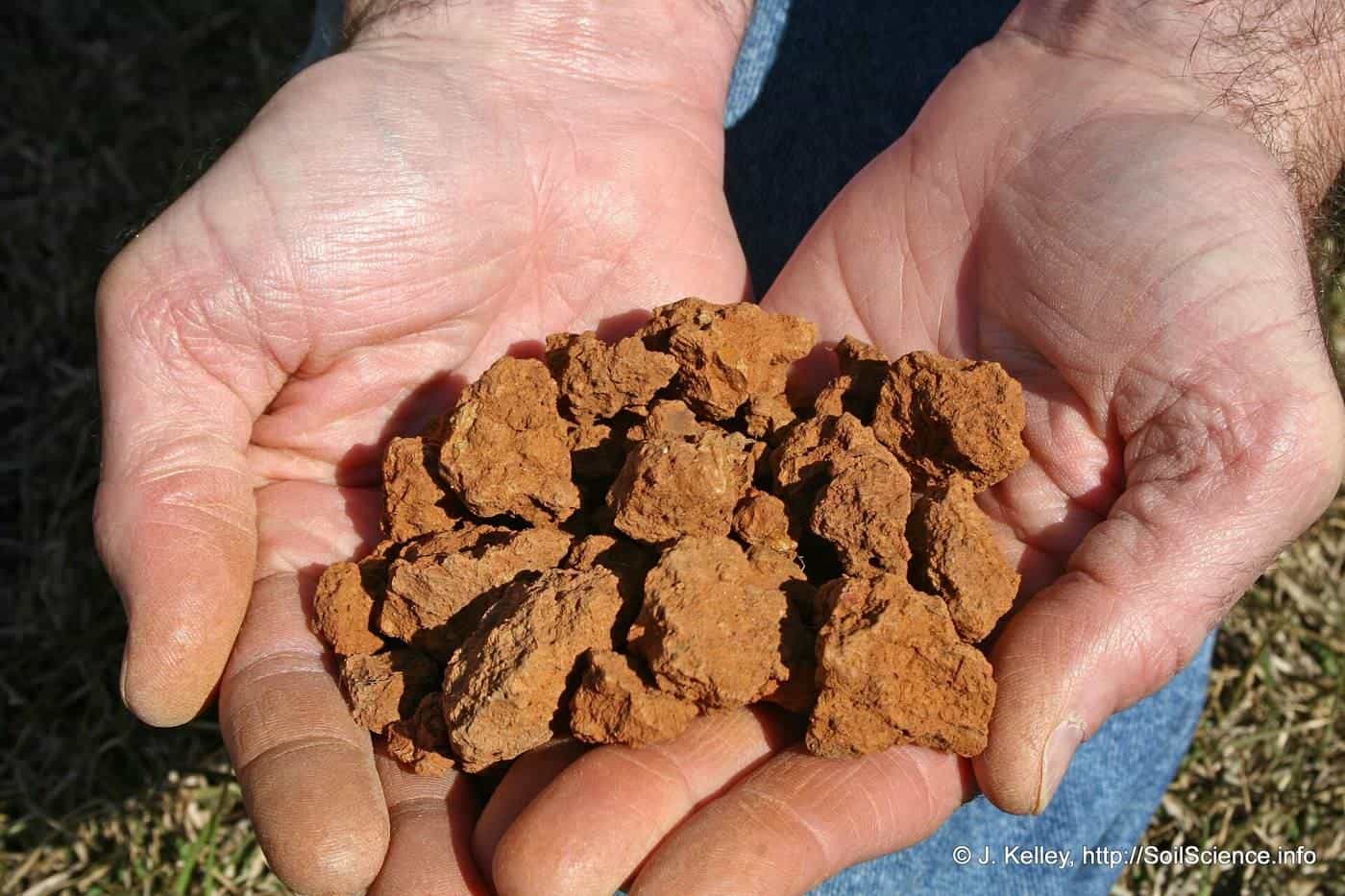
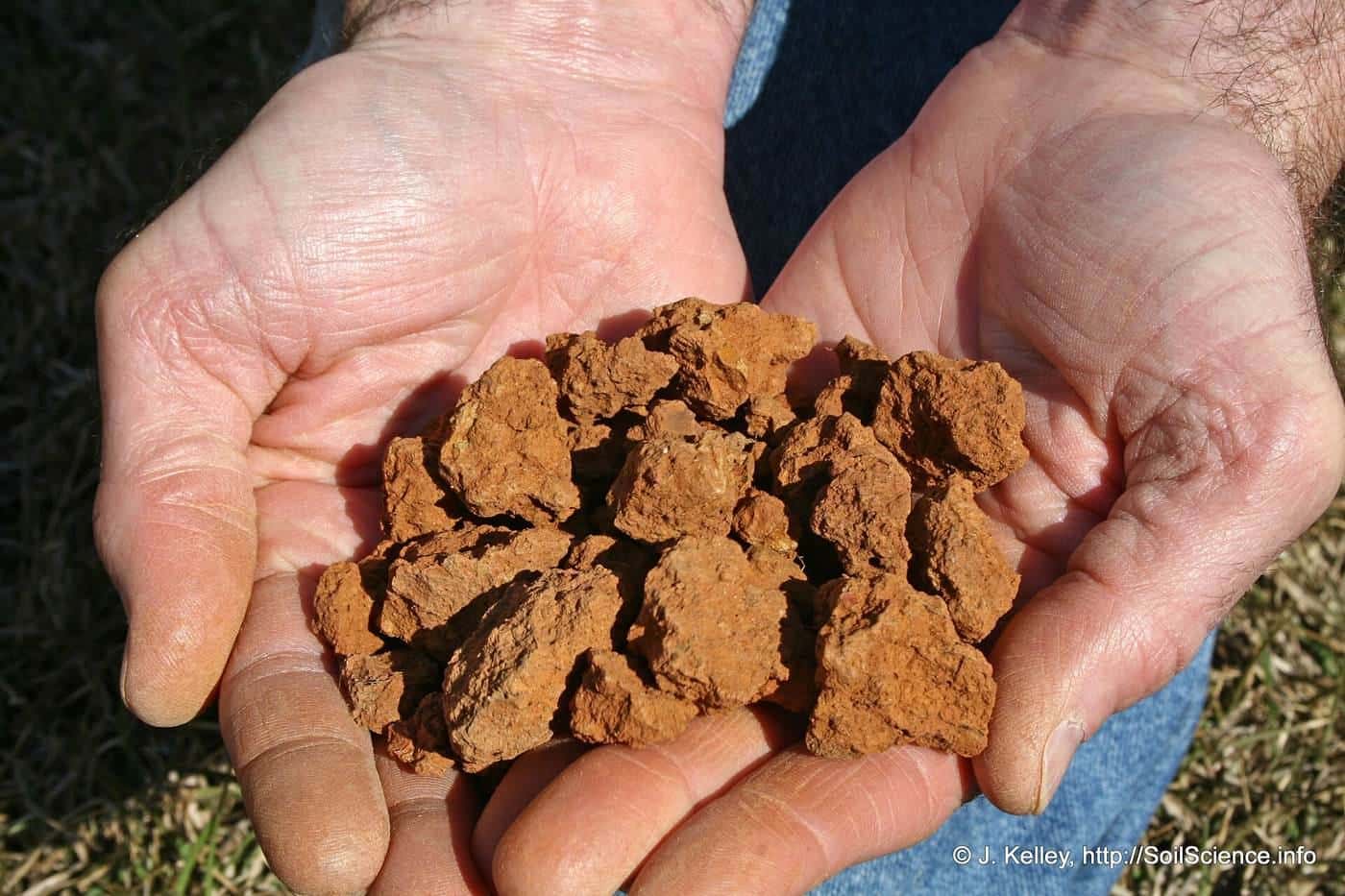
Clay soil. Sticky when wet, hard when dry. Holds water and nutrients well, but can drain poorly, become waterlogged and compacted, and crack in summer. Common in many suburbs on older landscapes, including parts of Sydney, Melbourne and Adelaide.
Loam. A balanced mix of sand, silt and clay with plenty of organic matter. Drains well but holds moisture: the ideal garden soil.
Sand
Drains fast
Holds little water
Clay
Holds water
Can drain poorly
Organic matter
Improves both
Add every season
The squeeze test
Take a handful of moist soil and squeeze it. Sandy soil feels gritty and falls apart. Loam holds together but crumbles when poked. Clay feels sticky and smooth and can be rolled into a ribbon between your fingers. The longer the ribbon, the more clay.
Soil pH
Soil pH measures acidity or alkalinity on a scale from 0 to 14, where 7 is neutral, below 7 is acidic and above 7 is alkaline. pH matters because it affects how available nutrients are to plants. In very acidic or very alkaline soil, plants may show deficiencies even when nutrients are present.
Many vegetables and garden plants grow well in slightly acidic to neutral soil. Some plants, such as azaleas, camellias and blueberries, prefer more acidic soil. Others tolerate alkaline conditions.
Testing. Home pH test kits are cheap and easy to use. Test several spots across the garden and at root depth, because pH can vary.
Adjusting pH
To raise pH (make soil less acidic): apply garden lime (calcium carbonate) or dolomite (which also adds magnesium). Follow label rates, water in and retest after some weeks before adding more.
To lower pH (make soil more acidic): sulphur, acidifying fertilisers and organic matter can lower pH gradually. Very alkaline soils, such as those over limestone, are hard to change much, so it is often better to choose plants that suit them or grow acid-loving plants in pots.
Change pH gradually. Over-liming can cause problems that are hard to reverse.
Improving clay soil
- Add organic matter, such as compost and well-rotted manure, regularly.
- Use gypsum on sodic clays that disperse and set hard; it doesn't help all clays.
- Avoid digging or walking on clay when it's wet, which destroys structure.
- Mulch to protect the surface.
- Build raised beds or mounds for plants that need good drainage.
Improving sandy soil
- Add plenty of organic matter to help hold water and nutrients.
- Mulch to keep soil cool and moist.
- Use slow-release and organic fertilisers, because nutrients leach quickly.
- Address water repellence with organic matter and wetting agents.
Water-repellent soil
Some soils, especially sandy soils with waxy organic coatings, repel water when dry. Water beads on the surface or runs off. Adding organic matter, keeping soil mulched and moist, and using soil wetting agents according to the label all help.
Nutrients
Plants need major nutrients (nitrogen, phosphorus and potassium) and smaller amounts of others such as calcium, magnesium, sulphur, iron and zinc. Many Australian soils are naturally low in nutrients, especially phosphorus. Compost and organic fertilisers supply a broad range. Many Australian native plants, especially in the Proteaceae family (banksias, grevilleas, waratahs), are sensitive to high phosphorus and need fertilisers formulated for natives.
Soil testing services
For a detailed picture of nutrients, salinity or contaminants, laboratory soil tests are available. They are worth considering for new food gardens in older suburbs, where lead from old paint and past fuel can contaminate soil near houses and roads. Raised beds with imported soil are an option if contamination is a concern.
Know your soil
0 of 7 done
Ticks are saved in this browser only.
Common mistakes
- Adding lime without testing pH.
- Digging clay when wet.
- Expecting gypsum to fix all clay.
- Using high-phosphorus fertiliser on sensitive natives.
- Leaving sandy soil bare and unmulched.
Drainage test
To check drainage, dig a hole about 30 centimetres deep, fill it with water, let it drain, then fill it again and time how long it takes to empty. If water is still sitting there many hours later, drainage is poor. Choose plants that tolerate wet soil, improve the soil, or build raised beds.
Salty soil
In some areas, soil salinity from rising groundwater, salty irrigation water or coastal spray can damage plants. Signs include white crusts, burnt leaf edges and poor growth. Leaching with good-quality water, improving drainage and choosing salt-tolerant plants can help. Agriculture departments have information on salinity in their regions.
Soil and climate across Australia
Australia's soils are among the oldest and most weathered in the world, which is one reason many are naturally low in nutrients, especially phosphorus. Soils differ greatly between regions: deep sands on the Swan Coastal Plain around Perth, heavy clays in parts of western Sydney and Melbourne's north and west, alkaline soils over limestone in parts of South Australia and western Victoria, and rich volcanic soils in some areas. Knowing the soil typical of your area, and then testing your own garden, helps you make good choices.
Improving soil for vegetables
Vegetables need fertile, crumbly soil. Each season, dig in compost and well-rotted manure, keep beds mulched, avoid walking on beds by using paths or stepping stones, and grow green manure crops between seasons. Raised beds filled with good soil are a quick fix where native soil is very poor, contaminated or waterlogged.
Signs of pH problems in plants
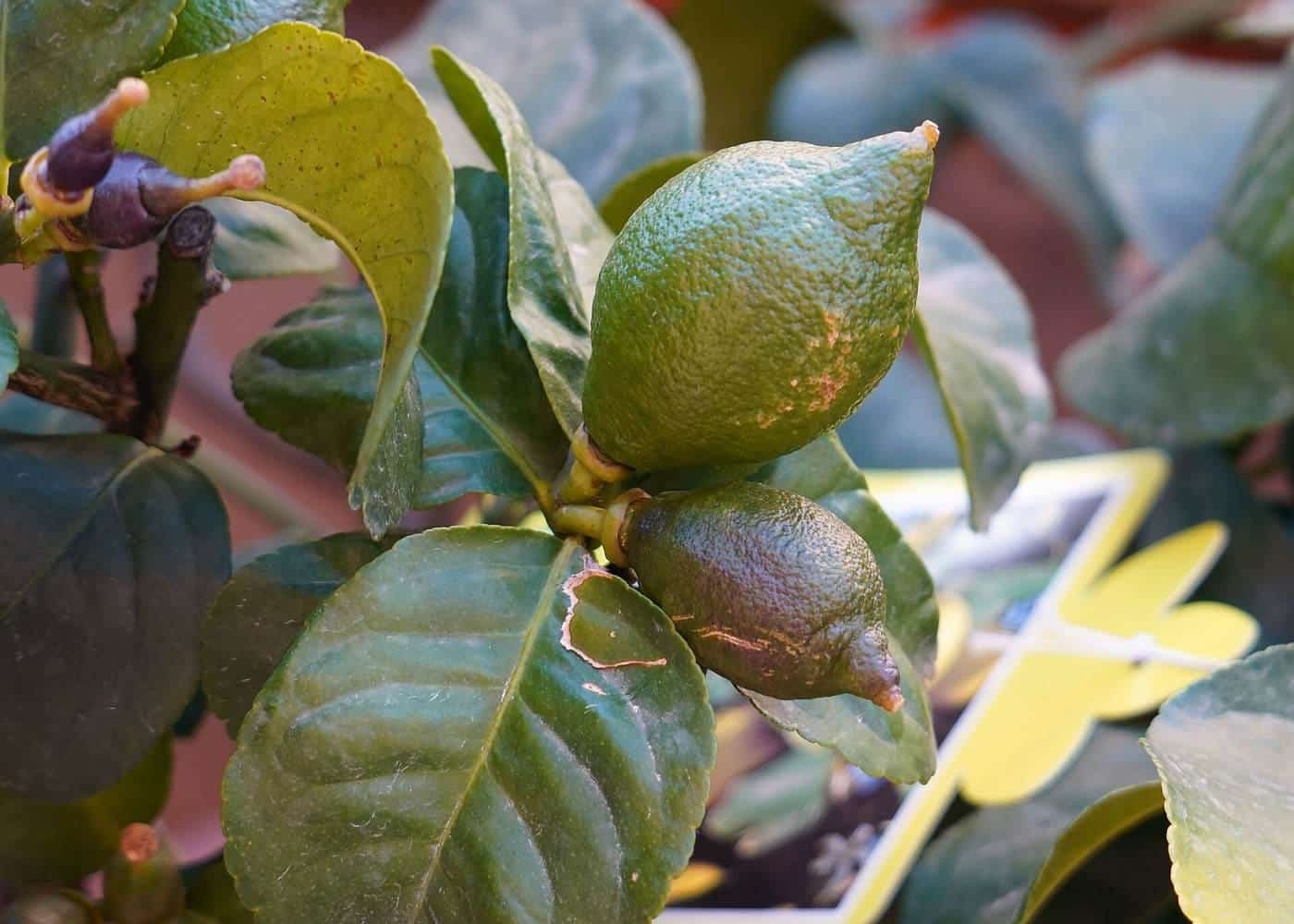
Plants often show when soil pH is wrong. Yellowing between the veins of young leaves, particularly on azaleas, gardenias, camellias and citrus, can mean iron or manganese is locked up in alkaline soil. Poor growth, stunted roots and leaf discolouration in very acid soil can point to aluminium or manganese toxicity, or a shortage of calcium and magnesium. Hydrangeas show soil pH in their flower colour: many varieties flower blue in acid soil and pink in alkaline soil. These symptoms can have other causes, so test the soil before treating it.
How fast pH changes
Lime and sulphur work slowly, over weeks to months, and fine products act faster than coarse ones. Make modest adjustments, re-test after a season, and repeat if needed rather than applying large amounts at once.
Key points
Work out whether your soil is sandy, loamy or clay, test pH, add organic matter every season, adjust pH slowly, use gypsum only on suitable clays, mulch and choose plants that suit your soil.
Frequently asked questions
How do I test soil pH?
Use a home soil pH test kit, available from garden centres, which changes colour to show the pH. Test several spots, because pH can vary across a garden.
How do I raise soil pH?
Garden lime or dolomite raises pH in acidic soils. Apply according to the label and test again before adding more, because changes take time.
How do I lower soil pH?
Sulphur, organic matter and acidifying fertilisers can lower pH over time. Changes are slow, especially in very alkaline soils.
What is gypsum used for?
Gypsum can help improve the structure of some sodic clay soils by helping clay particles clump together. It doesn't change pH much and doesn't help all clays.
What is water-repellent soil?
Soil, often sandy, that repels water when dry, so water runs off instead of soaking in. Organic matter, mulch and wetting agents help.
Sources and further reading
Facts on this page were checked against these primary and official sources. Conditions change — confirm before you travel or buy.
- Soil pH — Wikipedia
- Gardening Australia — ABC
- Agriculture Victoria – soil — Agriculture Victoria
- NSW Department of Primary Industries — NSW DPI