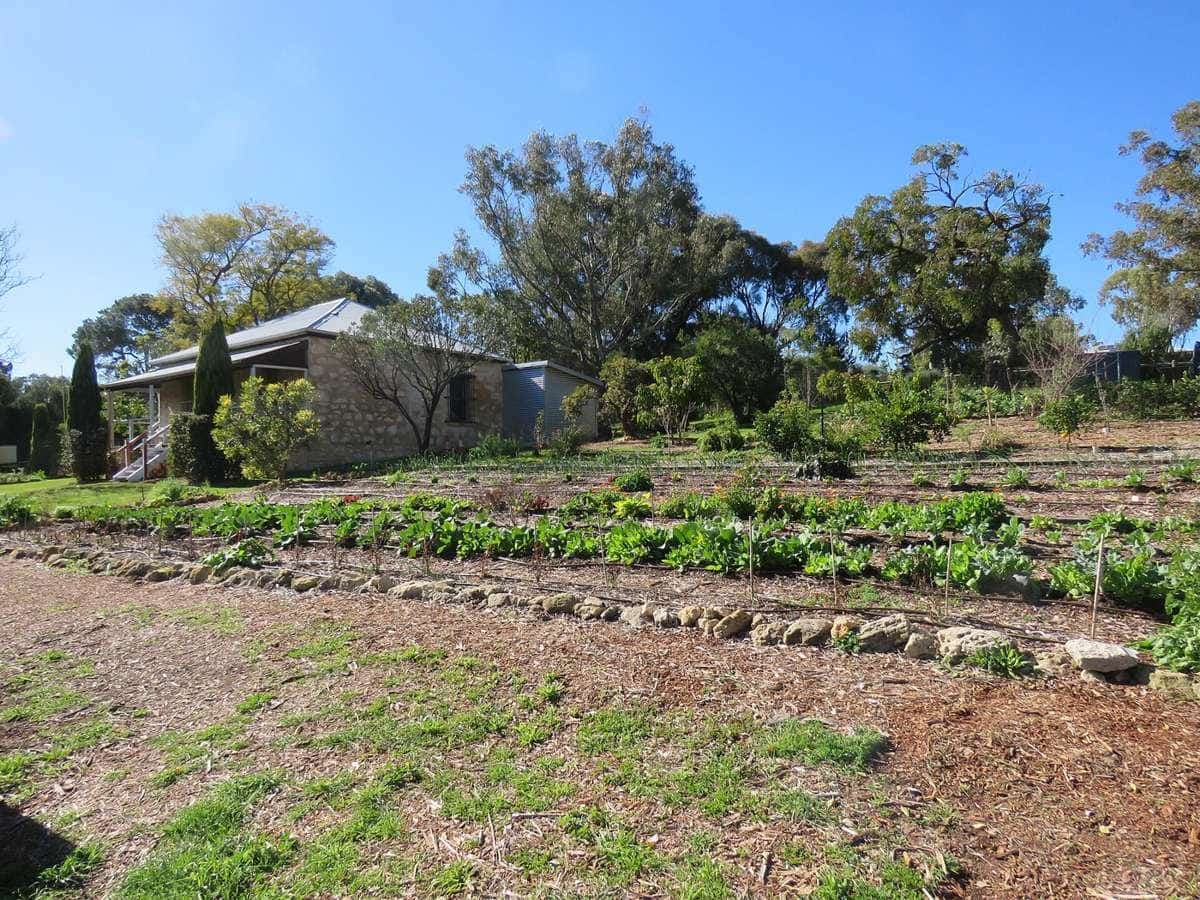
If you do only one thing to make your garden tougher and more water-efficient, mulch it. A layer of mulch over bare soil reduces evaporation, keeps soil cooler in summer and warmer in winter, smothers weeds, stops soil crusting and eroding, and, if it's organic, slowly breaks down to feed the soil. It's cheap, easy and works in every climate zone.
How mulch helps
- Saves water. Mulch reduces evaporation from the soil surface, so you water less.
- Moderates soil temperature. Bare soil in Australian summer sun can get very hot, stressing roots. Mulch keeps it cooler.
- Suppresses weeds. Mulch blocks the light weed seeds need to germinate.
- Feeds the soil. Organic mulches break down and add organic matter.
- Protects soil structure. Mulch stops rain and irrigation crusting and eroding the surface.
5–7 cm
Typical depth
For garden beds
Clear stems
Leave a gap
Prevents rot
Water first
Then mulch
Moist soil
Types of mulch
Organic mulches
Straw-type mulches. Sugarcane, pea straw, lucerne and straw break down fairly quickly, adding organic matter. They suit vegetable gardens and annual beds. Lucerne and pea straw add nitrogen.
Wood chips and bark. Pine bark, wood chips and shredded prunings last longer and suit shrubs, trees and paths. Fine, fresh wood chips can temporarily tie up nitrogen at the surface as they break down.
Leaf litter and leaf mould. Free, natural and ideal for native gardens and under trees.
Compost. Excellent soil food, often used as a layer under a coarser mulch.
Arborist mulch. Chipped tree prunings, often available cheaply. A mix of wood and leaves that suits shrubs and trees.
Inorganic mulches
Gravel, pebbles and scoria. Long-lasting, good for succulents, Mediterranean plants and dry gardens. They don't feed the soil and can reflect heat.
Weed mat. Can stop weeds, but can also stop water and organic matter reaching the soil. Many gardeners prefer cardboard under organic mulch.
How to mulch
- Weed the area first, removing perennial weeds with roots.
- Water deeply, or mulch after soaking rain, so you lock in moisture.
- Add a layer of compost if the soil needs feeding.
- Spread mulch evenly, about 5 to 7 centimetres deep for most beds, thinner for fine mulches and vegetable beds.
- Keep mulch a few centimetres clear of stems and trunks.
- Top up as it breaks down.
For new beds, a layer of overlapping cardboard under the mulch smothers grass and weeds.
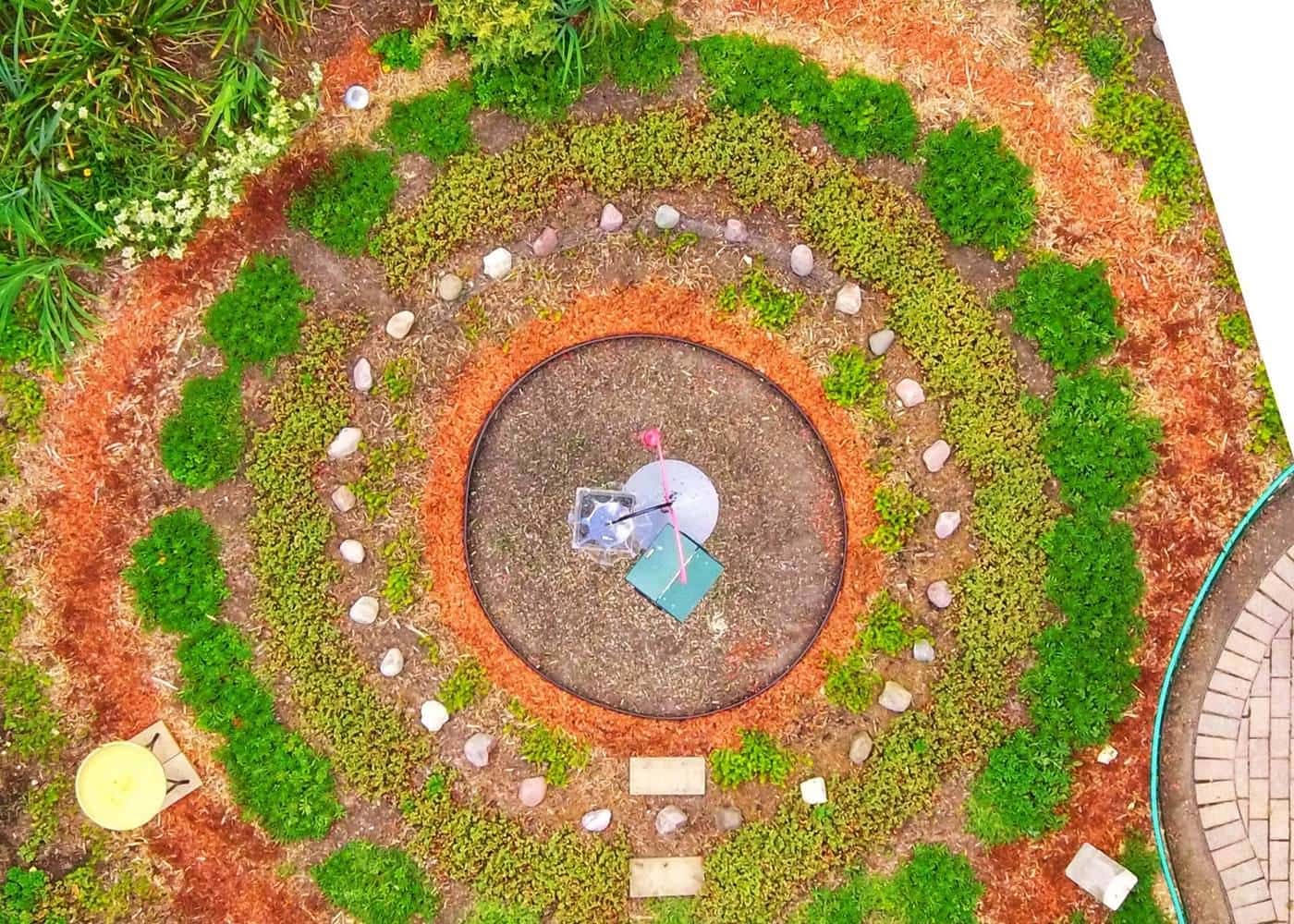
Mulch for different plants
Vegetables. Fine, quick-breaking-down mulches such as sugarcane, lucerne or pea straw. Keep mulch back from seedlings until they're established.
Natives. Coarse wood chips, leaf litter or gravel. Avoid mulches high in phosphorus, such as some manure-based products, around phosphorus-sensitive natives.
Trees and shrubs. Wood chips or arborist mulch, spread to the drip line and kept clear of trunks.
Succulents and Mediterranean plants. Gravel or pebbles keep the crown dry and reflect warmth.
Pots. A thin layer of mulch or pebbles on pots reduces drying.
Mulch and bushfire
In bushfire-prone areas, flammable mulches such as bark and straw close to the house can carry fire. State fire services advise using non-flammable mulches such as gravel near buildings and keeping flammable materials away from the house. Check your state fire service's advice.
Mulch and termites
Wood-based mulches can provide habitat for termites. Keep mulch away from the house walls, and don't let it cover or bridge termite barriers or weep holes.
Mulching checklist
0 of 7 done
Ticks are saved in this browser only.
Common mistakes
- Piling mulch against stems and trunks ("mulch volcanoes").
- Mulching dry soil.
- Laying mulch too thick so water can't get through.
- Using weed mat that stops water and organic matter.
- Flammable mulch against the house in fire-prone areas.
Living mulch
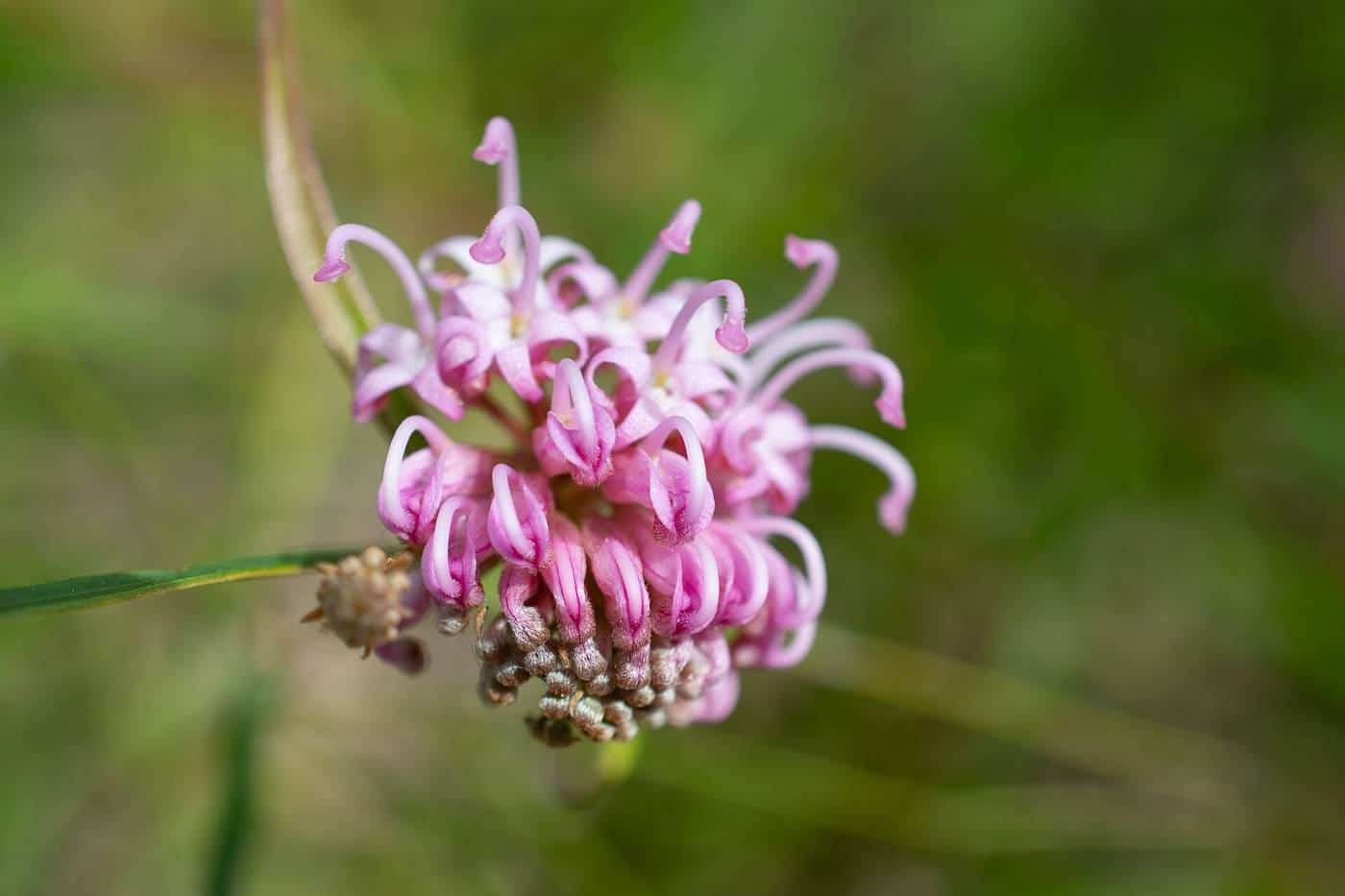
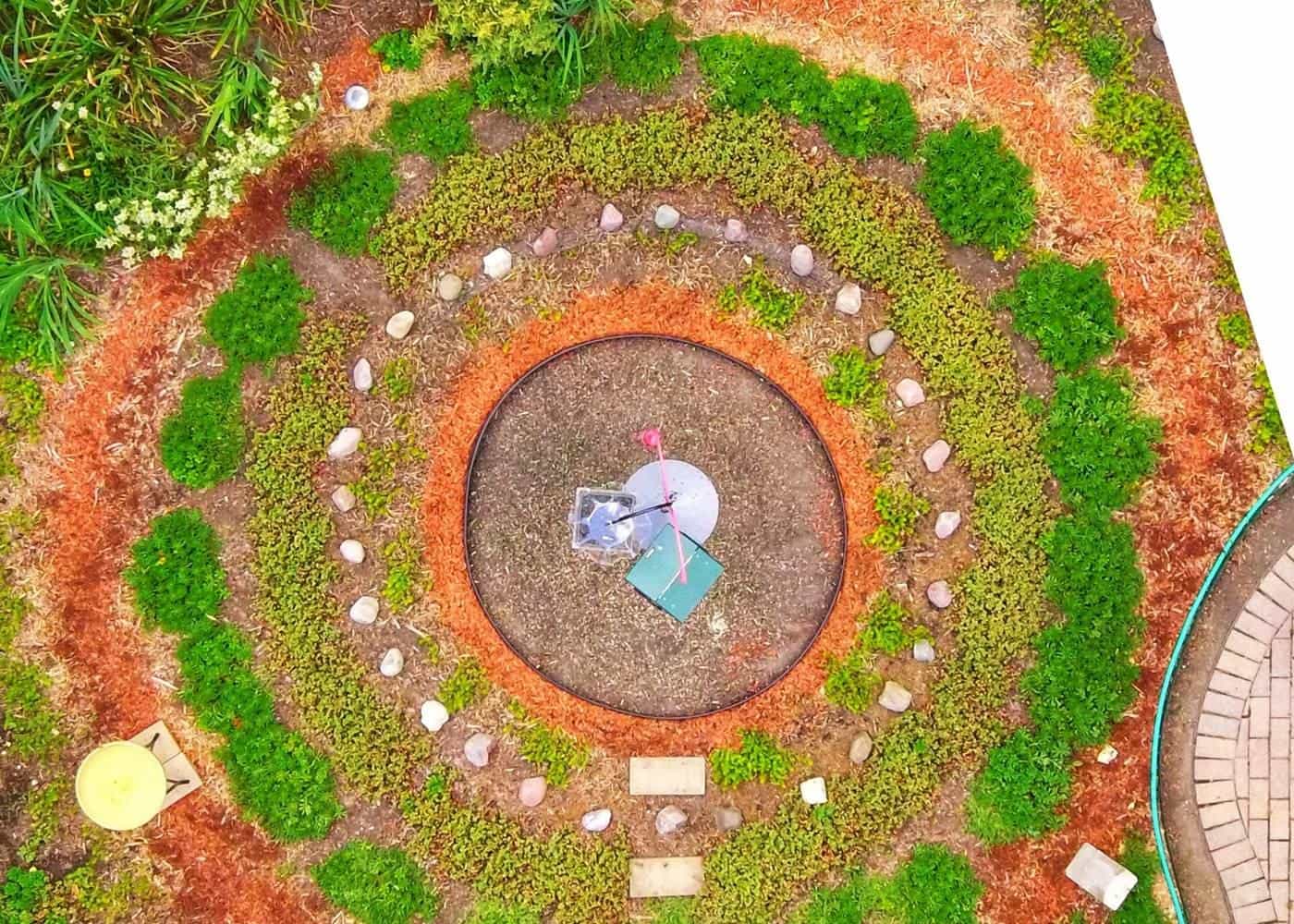
Groundcovers and low plants can act as living mulch, covering soil and suppressing weeds while adding beauty and habitat. Native groundcovers such as native violets, creeping boobialla and some grevilleas, or herbs such as thyme, can work well. Choose plants suited to your conditions and check they aren't weeds.
Where to get mulch
Garden centres and landscape suppliers sell bagged and bulk mulches. Arborists often have chipped prunings available cheaply or free. Some councils offer mulch made from green waste. Check that bulk mulch is free of weeds, rubbish and contaminants, and let fresh arborist mulch age for a few weeks if possible.
Mulch and frost
In frost-prone areas, mulch insulates soil and roots, but can make the air just above the surface colder on frosty nights, because it stops heat from the soil radiating up. Young, frost-tender seedlings may benefit from pulling mulch back slightly on frosty nights, or using frost cloth.
How long mulch lasts
Fine straw mulches may break down within a season and need regular topping up, which is part of their value in vegie beds. Coarse wood chips and bark can last a year or more. Gravel lasts indefinitely but needs occasional weeding and cleaning. Check mulch depth in spring and again before summer, and top up where it has thinned.
Mulching vegetable beds through the year
In vegetable beds, mulch needs to be managed around sowing and harvesting. Pull mulch back to sow seeds directly in rows, then return it as seedlings grow. Spread a thin layer of fine mulch around transplanted seedlings, keeping it away from stems. Between crops, dig the partly broken-down mulch into the soil along with compost, then re-mulch. In cool climates, some gardeners pull mulch back in early spring so the sun can warm the soil before planting warm-season crops.
Mulch for slopes and windy sites
On slopes, light mulches can wash away in heavy rain, and on windy sites straw can blow around. Coarse, interlocking mulches such as arborist chip and shredded bark stay put better. Jute or coir matting under mulch can help hold soil on steep slopes while plants establish.
Making your own mulch
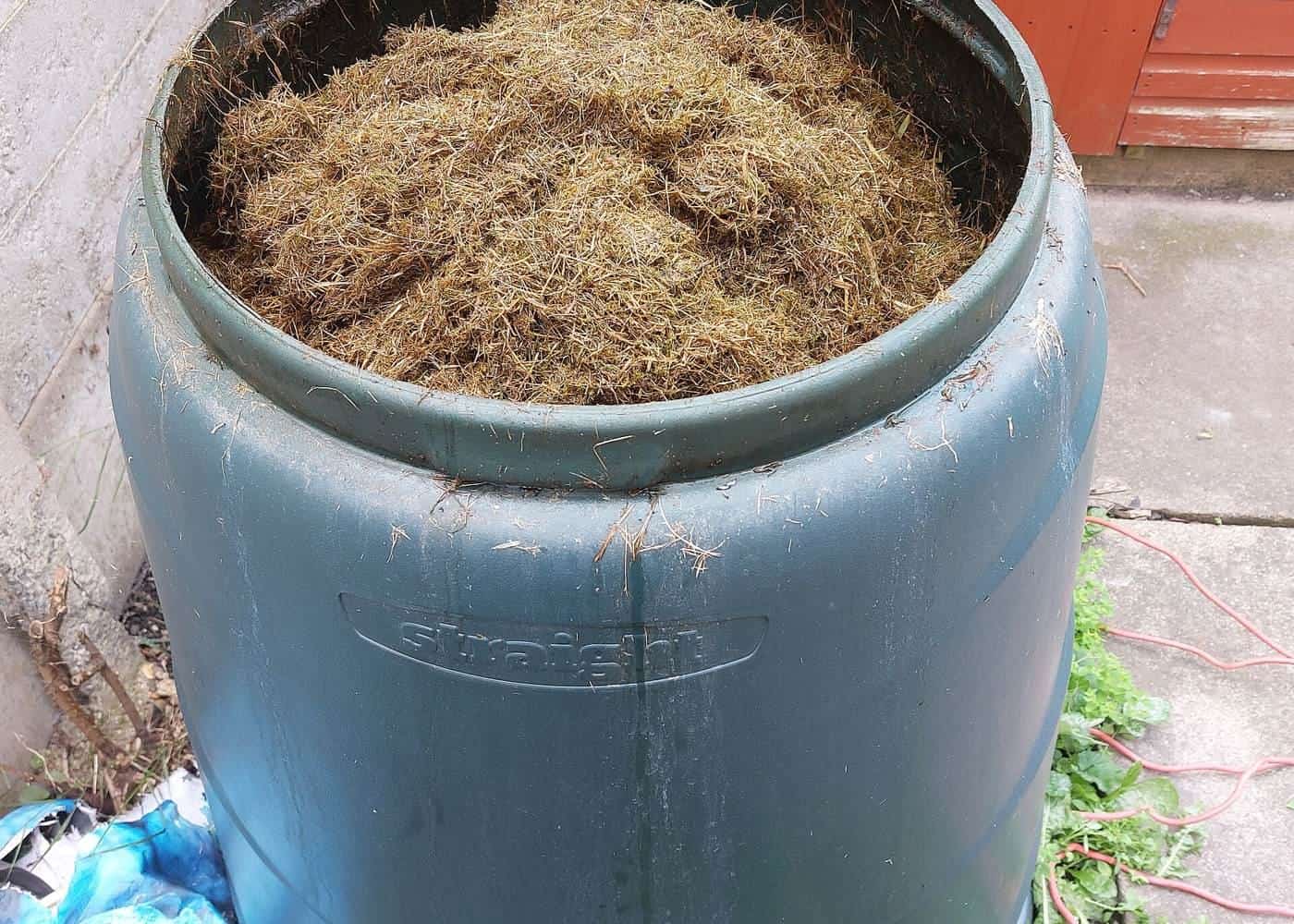
You can make mulch from your own garden. Shred prunings with a mulcher or run over leaves with a mower to chop them. Leaf litter from deciduous trees can be piled in a wire cage to make leaf mould, a fine, crumbly material that suits mulching and soil improvement. Lawn clippings can be used thinly, mixed with coarser material so they don't mat. Some tree-lopping businesses give away arborist chip, though it may contain weed seeds or leaves from varied species. Avoid any mulch from diseased plants.
Mulch and termites
Mulch doesn't attract termites in itself, but keep it away from house foundations and timber structures and maintain inspection zones.
Key points
Mulch saves water, cools soil, smothers weeds and feeds the soil. Water first, spread about 5 to 7 centimetres, keep it clear of stems, choose the right type for each plant and use non-flammable mulch near buildings in fire-prone areas.
Frequently asked questions
How thick should mulch be?
A layer about 5 to 7 centimetres thick is commonly recommended for garden beds. Thinner layers suit vegetable beds and fine mulches; very thick layers can stop water reaching the soil.
Should mulch touch plant stems?
No. Keep mulch a few centimetres clear of stems and trunks to prevent rot and collar diseases.
What mulch is best for vegetables?
Fine, quick-breaking-down mulches such as sugarcane, lucerne, pea straw or straw are popular for vegetables because they add organic matter as they break down.
Does mulch attract termites?
Wood-based mulches can provide habitat for termites. Keep mulch away from the house and don't let it bridge termite barriers.
When should I mulch?
Late spring, before summer heat, is a good time, after rain or a deep watering. Top up as mulch breaks down.
Sources and further reading
Facts on this page were checked against these primary and official sources. Conditions change — confirm before you travel or buy.
- Mulch — Wikipedia
- Gardening Australia — ABC
- Your Home – Water — Australian Government
- Sustainable Gardening Australia — Sustainable Gardening Australia