A large share of household rubbish is food and garden waste that could be composted. Sent to landfill, it breaks down without air and produces methane, a potent greenhouse gas. Composted at home, it becomes a dark, crumbly, earthy-smelling material that improves soil structure, feeds soil life and helps soil hold water. Composting is simple once you understand the basics.
How composting works
Compost is made by microorganisms, worms and other creatures breaking down organic matter. They need four things:
- Carbon-rich "browns": dry leaves, straw, shredded paper and cardboard, woody prunings.
- Nitrogen-rich "greens": food scraps, fresh lawn clippings, green leaves, coffee grounds, manure.
- Water: the heap should feel like a wrung-out sponge.
- Air: oxygen keeps the good microbes working and prevents smells.
Get the balance right and the heap heats up and breaks down quickly. A common rule of thumb is to add more browns than greens by volume.
Browns + greens
The balance
More browns by volume
Wrung sponge
Moisture
Damp, not soggy
Air
Prevents smells
Turn or mix
Choosing a system
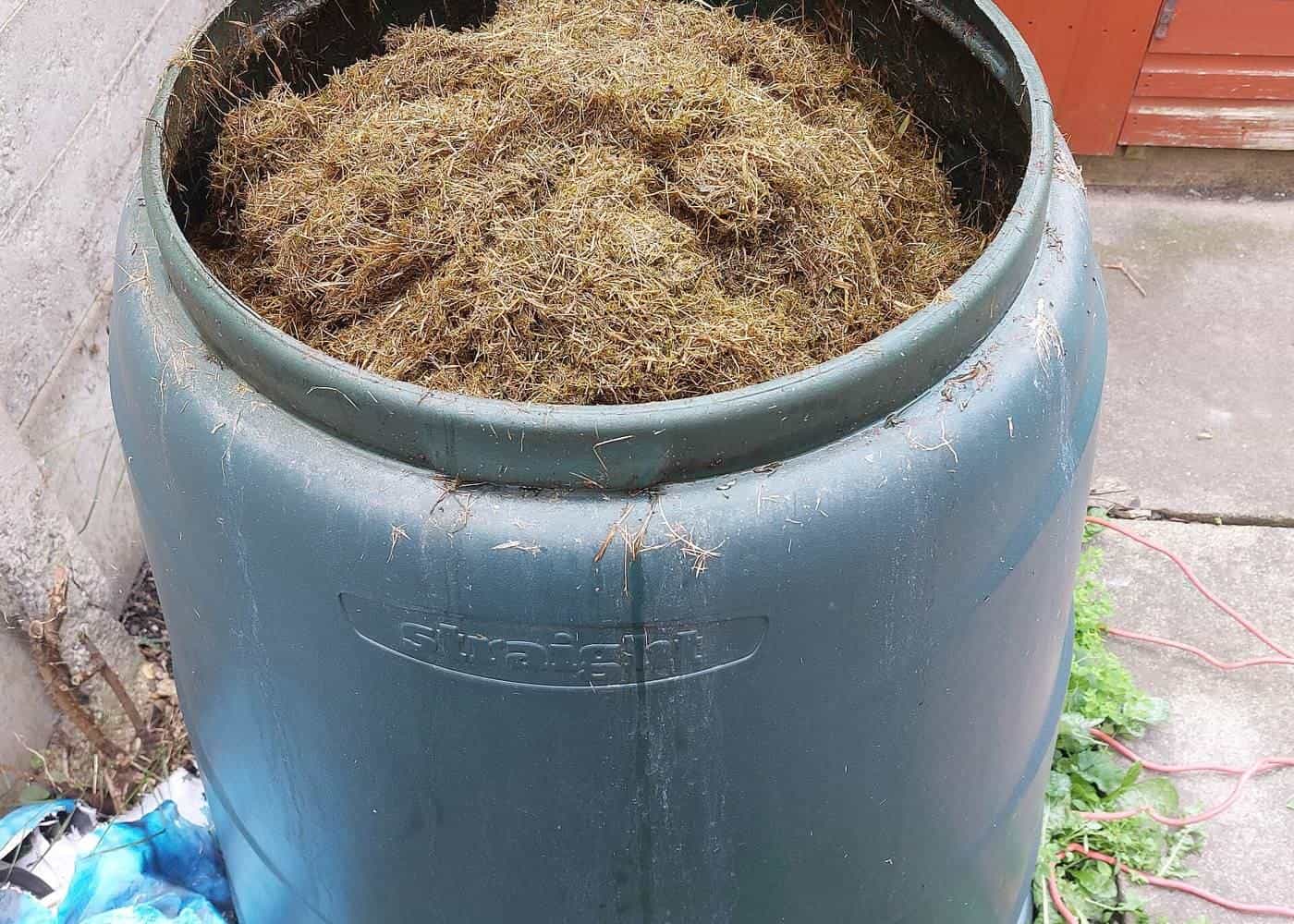
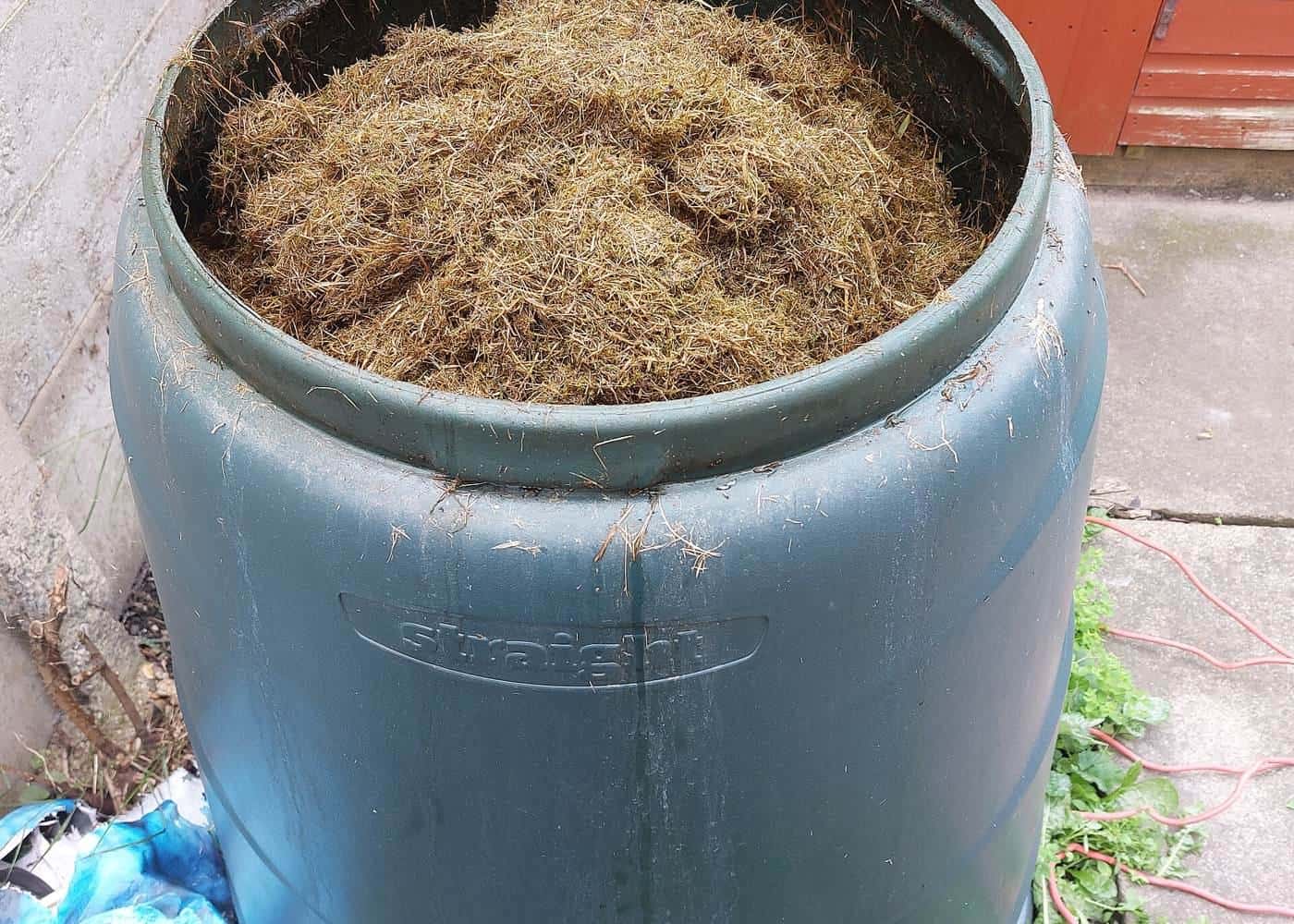
Compost bins. Plastic bins sit on the soil, are neat and suit small gardens. Fill from the top and harvest from the bottom.
Open heaps or bays. Suit larger gardens with lots of garden waste. Multiple bays let you fill one while another matures.
Tumblers. Rotating drums make turning easy and keep out pests, but need a good mix and moisture to work well.
Worm farms. Suit small spaces and kitchen scraps. Worms produce castings and liquid that make excellent fertiliser.
Bokashi. A fermentation system for kitchen scraps, including small amounts of meat and dairy, that is then buried or added to compost.
Some councils offer discounted bins, worm farms or workshops, and many now collect food and garden waste in green bins.
What to add
- Fruit and vegetable scraps, coffee grounds, tea leaves and crushed eggshells.
- Garden prunings (chopped small), leaves, spent plants and lawn clippings (in thin layers).
- Shredded paper, cardboard and egg cartons (non-glossy).
- Manure from herbivores such as chickens, horses and cows.
What to avoid in a home system
- Meat, fish, dairy and oily foods, which attract pests and smell.
- Dog and cat poo, which can carry disease.
- Diseased plants and weeds with seeds or runners, unless your heap gets very hot.
- Treated timber, glossy paper and plastics, including most "compostable" plastics, which need industrial conditions.
Building and maintaining a heap
Place your bin or heap on bare soil in a spot that is easy to reach, with some shade in hot areas. Start with a layer of coarse material such as twigs for drainage, then alternate greens and browns. Chop materials small to speed things up.
Keep the heap damp but not soggy. In dry weather, add water. In wet weather, cover it. Turn or mix the heap every week or two with a garden fork or aerator to add air. The more you turn it, the faster it works.
Troubleshooting
Smelly and slimy. Too wet and too many greens. Add browns, mix and turn.
Dry and not breaking down. Too many browns and not enough water. Add greens and water.
Flies. Bury food scraps in the heap and cover with browns.
Rats and mice. Avoid meat and dairy, use a bin with a base or mesh underneath, and keep the heap moist and turned.
Ants. Usually means the heap is too dry. Add water and mix.
Using compost
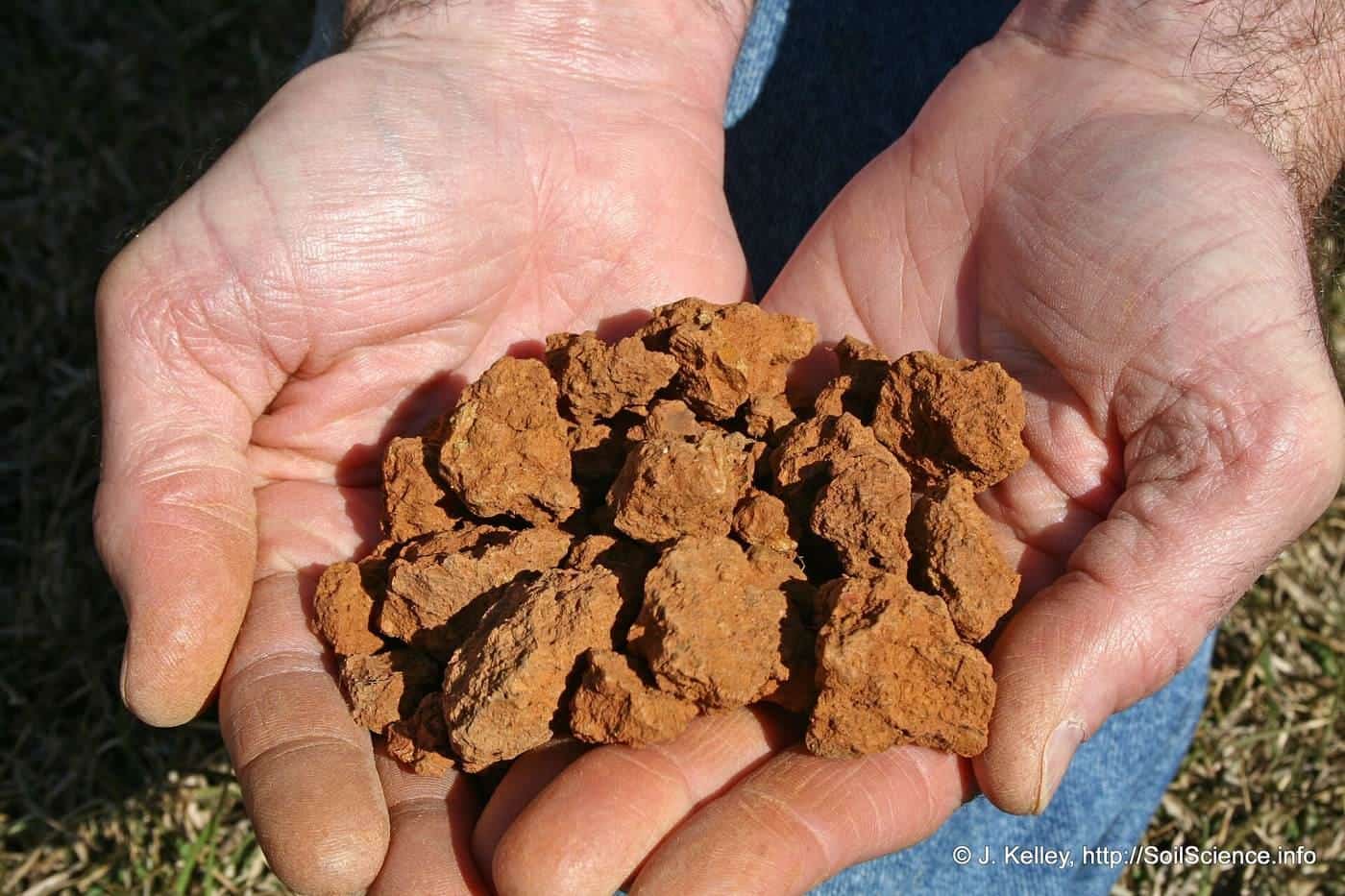
Compost is ready when it is dark, crumbly and smells earthy, and you can no longer recognise most of what went in. Use it:
- dug into vegetable beds before planting;
- spread around plants as a top dressing under mulch;
- mixed into planting holes for trees and shrubs;
- sieved and mixed into seed-raising and potting mixes.
Wear gloves and a mask when handling compost, keep it damp to reduce dust and wash your hands afterwards, as health departments advise for potting mix.
Composting basics
0 of 7 done
Ticks are saved in this browser only.
Common mistakes
- Adding only kitchen scraps without browns.
- Letting the heap dry out.
- Thick layers of lawn clippings that go slimy.
- Never turning the heap.
- Adding weeds with seeds.
Worm farms in more detail
Compost worms, such as tiger worms and red wrigglers, are different from garden earthworms. They live in the top layer of organic matter and eat their way through food scraps. Keep a worm farm in a shaded, sheltered spot, because worms die in extreme heat. Feed small amounts of chopped scraps, avoid citrus, onion, meat and dairy, and keep the bedding moist. Dilute worm liquid with water before using it on plants.
Leaf mould
Autumn leaves can be composted on their own into leaf mould, a fine, crumbly material that is excellent for improving soil and making potting mixes. Pile leaves in a wire cage or bags, keep them damp and leave them to break down slowly over many months.
Community composting
If you don't have space for a compost bin, look for community gardens, schools or council programs that accept food scraps, or check whether your council offers a food and garden organics collection.
Hot and cold composting
Hot composting builds a large heap all at once with a good mix of browns and greens, kept moist and turned often. Microbes heat the heap, which speeds up breakdown and can kill many weed seeds and disease organisms. It needs enough material to build a heap of at least about a cubic metre and regular turning.
Cold composting adds material gradually and turns it less often. It is easier and suits most households, but takes longer and doesn't reliably kill weed seeds or disease, so keep those out.
Compost and the green bin
Many councils now offer food organics and garden organics (FOGO) collections, where food scraps and garden waste go into the green bin for commercial composting. Commercial facilities reach higher temperatures, so they can process materials that home systems can't, such as meat scraps in some council programs. Check what your council accepts. Home composting and FOGO work well together: compost what you can at home and use the green bin for the rest.
Using finished compost
Finished compost is dark and crumbly and smells earthy. Dig it into vegetable beds before planting, spread it as a top-dressing around shrubs and fruit trees, mix it with potting mix for containers, or sieve it for seed-raising.
Key points
Balance browns and greens, keep compost moist and aerated, avoid meat, dairy and pet waste in home systems, fix problems by adjusting moisture and mix, and use finished compost to feed your soil.
Frequently asked questions
What can I put in compost?
Fruit and vegetable scraps, coffee grounds, tea leaves, eggshells, garden prunings, lawn clippings, leaves, shredded paper and cardboard. Avoid meat, dairy, oily food, pet poo, diseased plants and weeds with seeds in a home system.
How long does compost take?
It depends on the method, materials and weather. A well-managed hot heap can be ready in a few months; a cold, slow bin may take much longer.
Why does my compost smell?
A bad smell usually means it is too wet and lacks air, often from too many greens. Add dry browns, mix it and turn it to let air in.
Do councils offer compost bins?
Some councils offer discounted compost bins, worm farms or workshops. Check your council's website.
Is compost safe to handle?
Wear gloves and a mask, keep compost damp to reduce dust and wash your hands afterwards. Compost and potting mix can carry Legionella bacteria.
What should not go in a home compost bin?
Leave out meat, fish, dairy and cooked oily food (they attract pests and smell), pet droppings, diseased plants, weeds with seeds or runners, treated timber and glossy or plastic-coated materials. Your council may offer separate food-waste collection for some of these.
Can I put banana peels in compost?
Yes. Banana peels break down quickly and add nutrients. Chop them up so they rot faster, and mix them with dry 'brown' material such as leaves or shredded paper to keep the heap balanced.
Sources and further reading
Facts on this page were checked against these primary and official sources. Conditions change — confirm before you travel or buy.
- Gardening Australia — ABC
- Legionnaires' disease fact sheet — NSW Health
- Compost — Wikipedia
- Sustainable Gardening Australia — Sustainable Gardening Australia