Roses have been grown in Australian gardens since the early days of European settlement, and public rose gardens in many cities and towns show how well they can do here. Roses are often seen as fussy, but many modern and old-fashioned roses are tough, long-lived and forgiving, given sun, good soil, water and an annual prune.
Types of roses
Hybrid teas. Classic large, single blooms on long stems, ideal for picking.
Floribundas. Clusters of flowers over a long season, good for mass planting.
Shrub and landscape roses. Often hardier and more disease-resistant, with less pruning.
Climbers and ramblers. Train over arches, fences, pergolas and walls.
Old garden roses. Heritage varieties, many with strong fragrance; some flower once a year.
Miniatures and patio roses. Compact roses for pots and small spaces.
Standards. Roses grafted onto a tall stem, giving a tree-like shape.
6+ hours
Sun needed
For good flowering
Winter
Main prune
July–August in the south
Water at base
Reduces disease
Keep leaves dry
Position and soil
Roses need full sun (at least six hours of direct sun), good airflow and well-drained soil rich in organic matter. Avoid planting too close to large trees, which compete for water and nutrients and cast shade. In hot inland areas, a little afternoon shade can protect blooms. Dig in compost and well-rotted manure before planting, and check soil pH; many guides suggest slightly acidic to neutral soil.
Planting
Bare-root roses are sold in winter while dormant. Soak the roots in water for a few hours, make a mound in the bottom of the planting hole, spread the roots over it and backfill so the graft union sits just above soil level in most climates. Water in well.
Potted roses can be planted most of the year, avoiding the hottest months. Plant at the same depth as in the pot.
Space roses to allow airflow, which helps prevent disease.
Watering
Water deeply once or twice a week in warm weather rather than lightly every day, more often in heat and in sandy soils. Water at the base, not over the leaves, ideally in the morning, to reduce fungal disease. Drip irrigation suits rose beds well. Mulch to keep soil moist.
Feeding
Roses are hungry. Feed in early spring as new growth starts and again after the first flush of flowers, with a rose fertiliser or organic options such as pelletised manure, following label rates. Many gardeners give a final feed in late summer or early autumn. Avoid heavy feeding late in the season in frosty areas.
Pruning
Winter pruning. In most of southern Australia, roses are pruned while dormant in winter, around July or August. In warmer areas, pruning is often done in mid to late winter.
- Use clean, sharp secateurs.
- Remove dead, diseased and damaged wood.
- Remove thin, weak and crossing stems.
- Shorten remaining canes, cutting just above an outward-facing bud, to create an open, vase-like shape.
- Clean up fallen leaves to reduce disease.
Climbers are pruned differently: keep strong main canes, tie them horizontally where possible to encourage flowering laterals, and shorten side shoots.
Deadheading. Through the season, cut off spent flowers to encourage more.
Common problems
Black spot. A fungal disease causing black spots on leaves, which then yellow and drop. Worse in humid, wet weather. Water at the base, remove affected leaves, improve airflow, clean up fallen leaves and choose resistant varieties. Fungicides can help; follow label directions.
Powdery mildew. A white powdery coating on leaves, common in warm days and cool nights. Improve airflow and avoid overhead watering.
Aphids. Small sap-sucking insects on new growth and buds. Squash or hose them off, and encourage ladybirds and other predators.
Two-spotted mite. Causes speckled, dull leaves in hot, dry weather. Hosing under leaves helps.
Rose scale. White crusty scale on stems. Scrub off or treat according to labels.
Rose care calendar
0 of 6 done
Ticks are saved in this browser only.
Common mistakes
- Planting in shade.
- Overhead watering in the evening.
- Pruning too lightly or not at all.
- Crowding plants.
- Leaving diseased leaves on the ground.
Roses in pots
Use a large pot, at least 40 centimetres wide and deep, with quality potting mix. Patio, miniature and compact shrub roses suit pots best. Water more often and feed regularly.
Choosing disease-resistant roses
Some varieties are much more resistant to black spot and mildew than others. Rose societies, public rose gardens and specialist nurseries can recommend varieties that perform well in your climate. In humid areas, disease resistance matters most.
Companion plants for roses
Low-growing plants such as catmint, lavender, alyssum and salvias look good with roses and attract beneficial insects that eat aphids. Keep companions low and away from the base of the rose so air can circulate around the stems. Avoid vigorous plants that compete for water and nutrients.
Roses in hot, dry areas
In hot inland and dry coastal areas, roses benefit from deep mulch, drip irrigation and some protection from the harshest afternoon sun. Blooms may be smaller and fade faster in extreme heat, but plants often flush again strongly in autumn. Choose varieties known to cope with heat, and water deeply before forecast heatwaves.
Rose gardens to visit
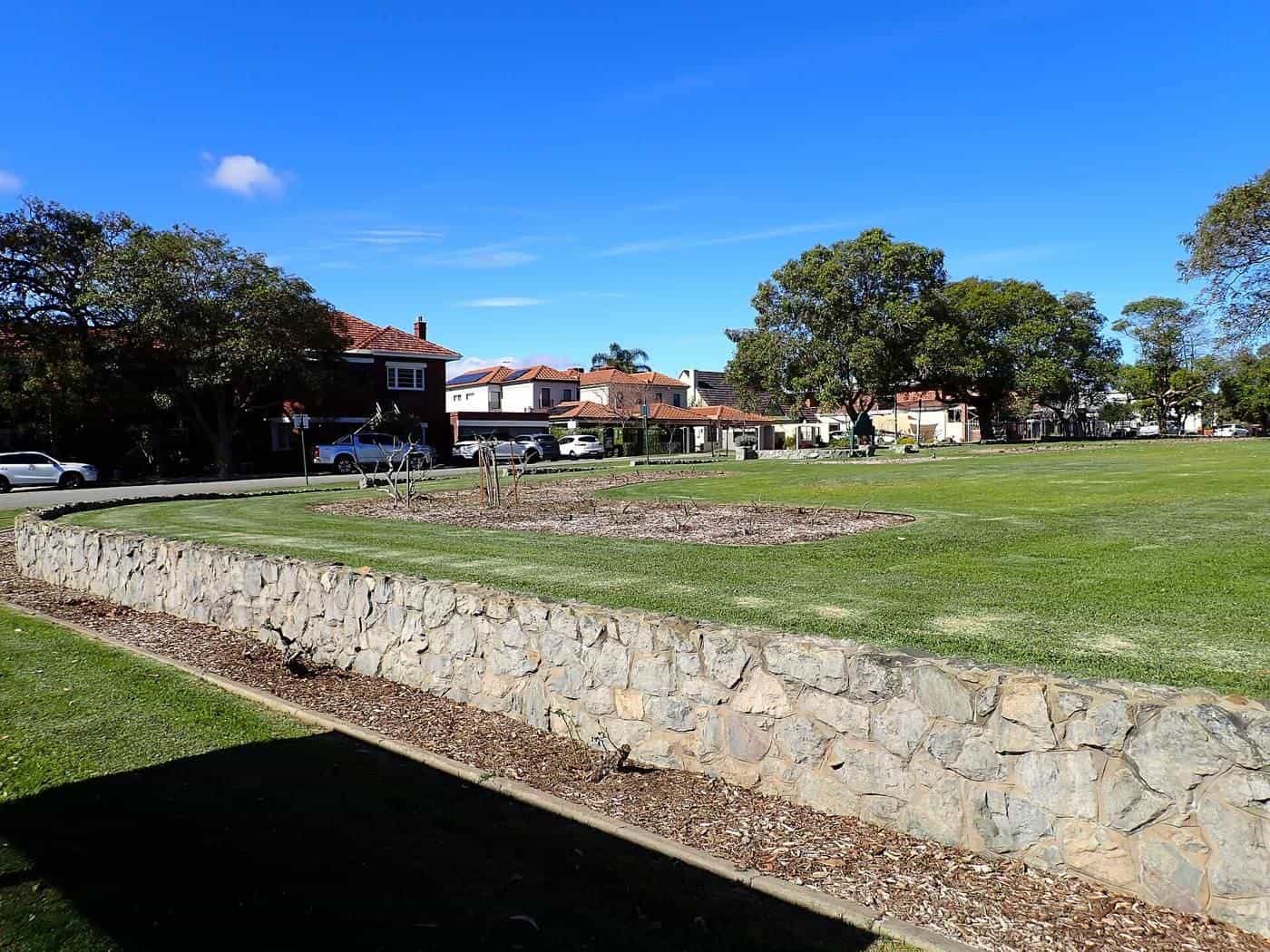
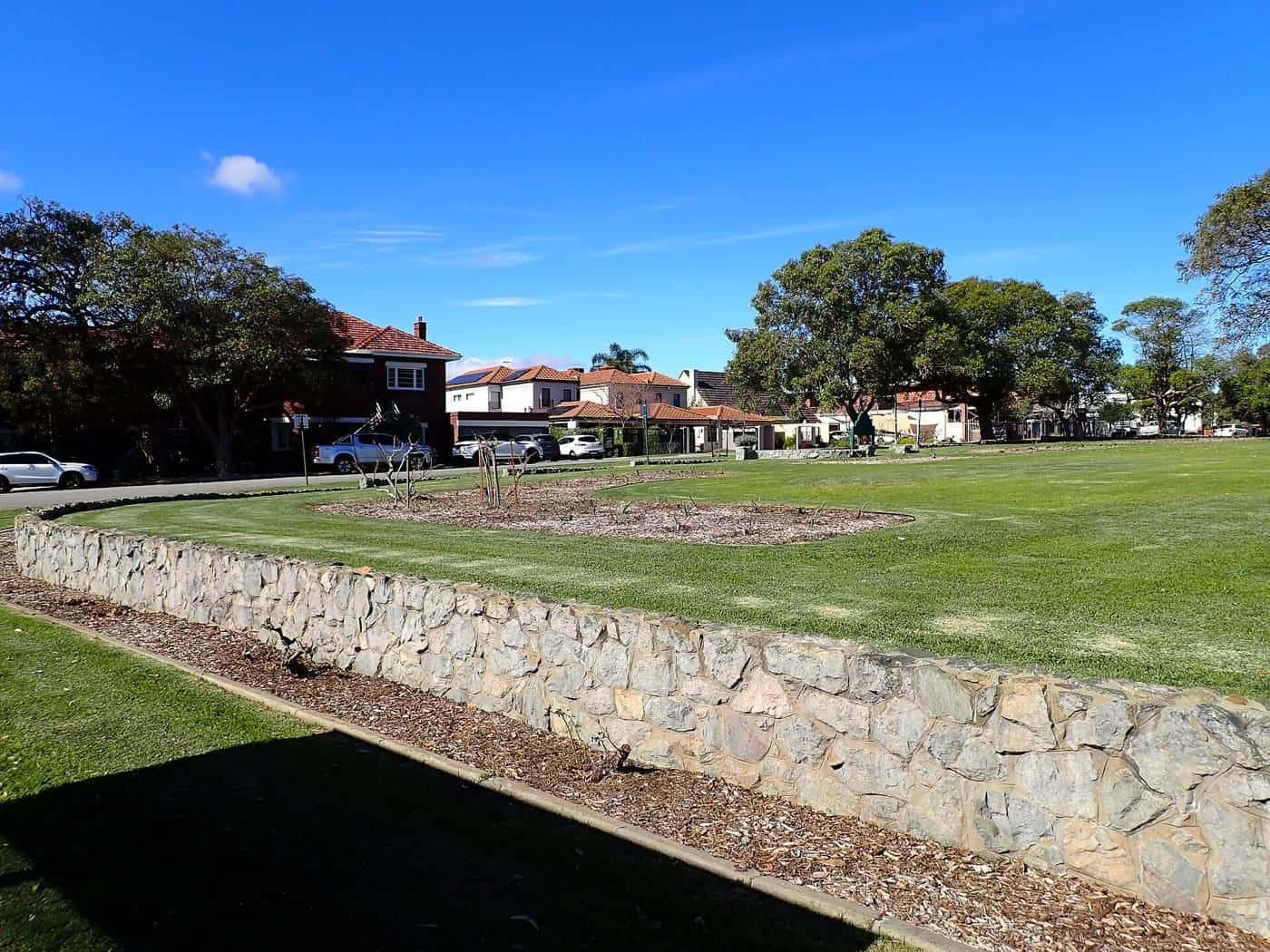
Public rose gardens are a good way to see how varieties perform in your climate before you buy. Many cities and regional towns have them, often maintained with help from local rose societies, and they are usually at their best in spring and again in autumn. Note the varieties that look healthy and flower well, and check the labels for names.
Hips, fragrance and picking
Some roses, especially species and old garden roses, produce colourful hips in autumn if you stop deadheading late in the season. Hips can look attractive and feed birds. If fragrance matters to you, smell roses in a nursery or garden before buying, because scent varies widely between varieties. For picking, cut stems in the cool of the morning, just above a leaf, and put them straight into water.
Moving an established rose
If a rose needs to move, do it in winter while it is dormant. Prune it back first, dig a wide root ball, replant at the same depth in a prepared hole and water well. Keep it watered through its first spring and summer.
Underplanting roses
Low companion plants such as catmint, lavender, alyssum and dianthus soften bare rose stems, attract beneficial insects and keep the bed looking good while roses are pruned. Keep them a little back from the base so air still moves freely.
Key points
Plant roses in full sun with good airflow and rich, well-drained soil, water deeply at the base, feed in spring and after flowering, prune in winter, deadhead through the season and watch for black spot, mildew and aphids.
Frequently asked questions
When should I prune roses?
In most of southern Australia, roses are pruned in winter, usually around July or August, while they are dormant. In warmer areas, pruning is often done in mid to late winter. Lighter trims after flowering through the season encourage repeat blooms.
How much sun do roses need?
Most roses need at least six hours of direct sun a day to flower well and resist disease.
How do I treat black spot?
Black spot is a fungal disease. Water at the base, remove and dispose of affected leaves, improve airflow, choose resistant varieties and use a fungicide according to the label if needed.
When should I plant roses?
Bare-root roses are planted in winter. Potted roses can be planted most of the year, avoiding the hottest months.
Do roses grow in the tropics?
Roses can be grown in the tropics and subtropics, but humidity increases fungal disease. Choose varieties known to cope with humidity and give them sun and airflow.
Sources and further reading
Facts on this page were checked against these primary and official sources. Conditions change — confirm before you travel or buy.
- Gardening Australia — ABC
- Rose — Wikipedia
- Black spot (roses) — Wikipedia
- National Rose Society of Australia — National Rose Society of Australia