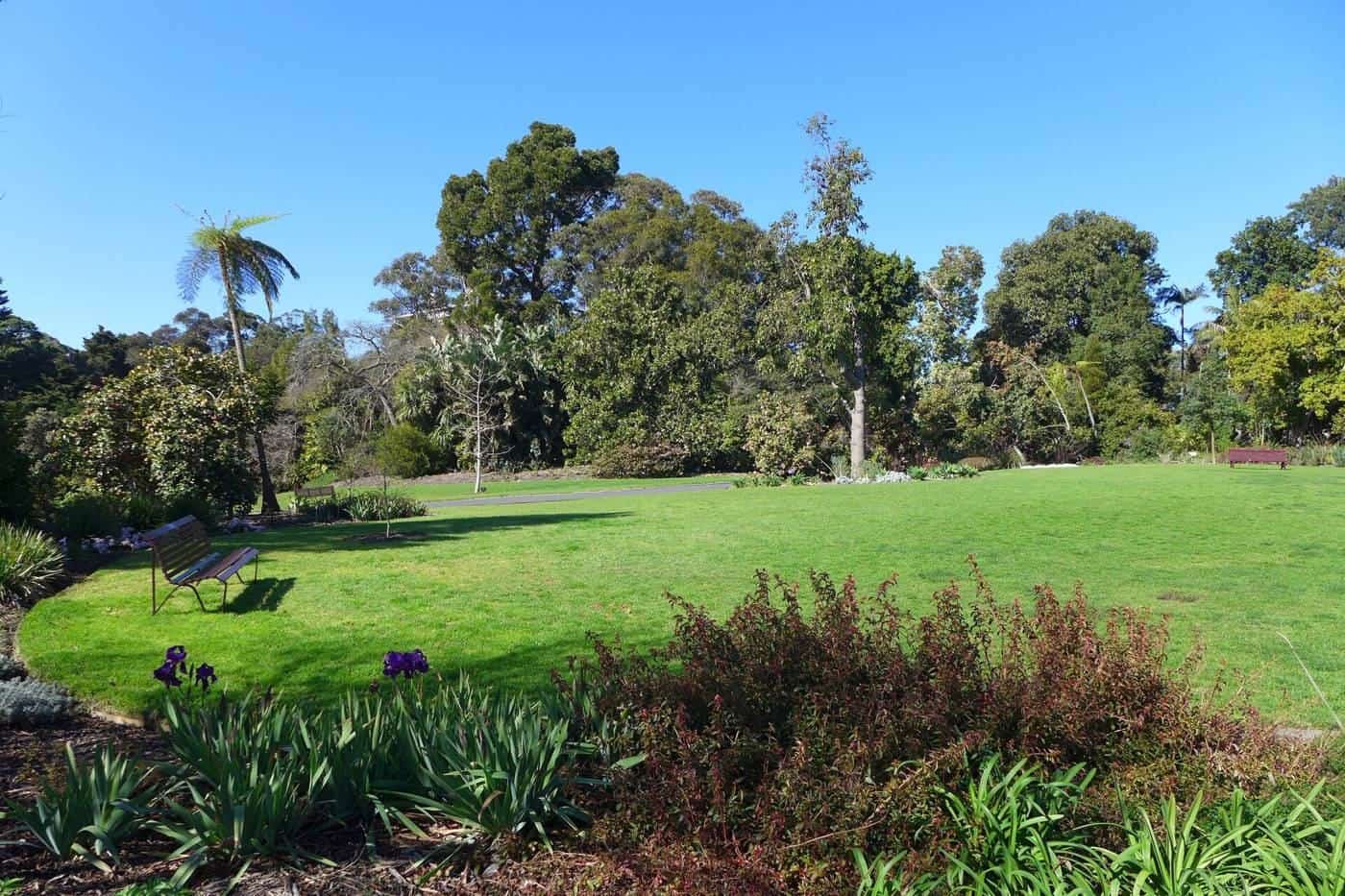
Gardening in Australia is different. Much gardening advice in books and online was written for the northern hemisphere, where the seasons are reversed and the climate is very different. Even within Australia, a planting guide written for Melbourne is little use in Cairns, and a tip that works in Perth's sandy soils may fail in the heavy clays of western Sydney.
Gardening Tips is an independent guide to growing in Australian conditions. We explain what to plant and when in each climate zone, how to grow popular food plants, how to build healthy soil and save water, and how to design gardens with natives, lawns and roses. Every guide is written in plain English and based on government, botanic garden and horticultural sources.
5 zones
Gardening climate zones
Tropical to cool
Spring
Main sowing season
In temperate and cool zones
Dry season
Main sowing season
In the tropics
Growing food
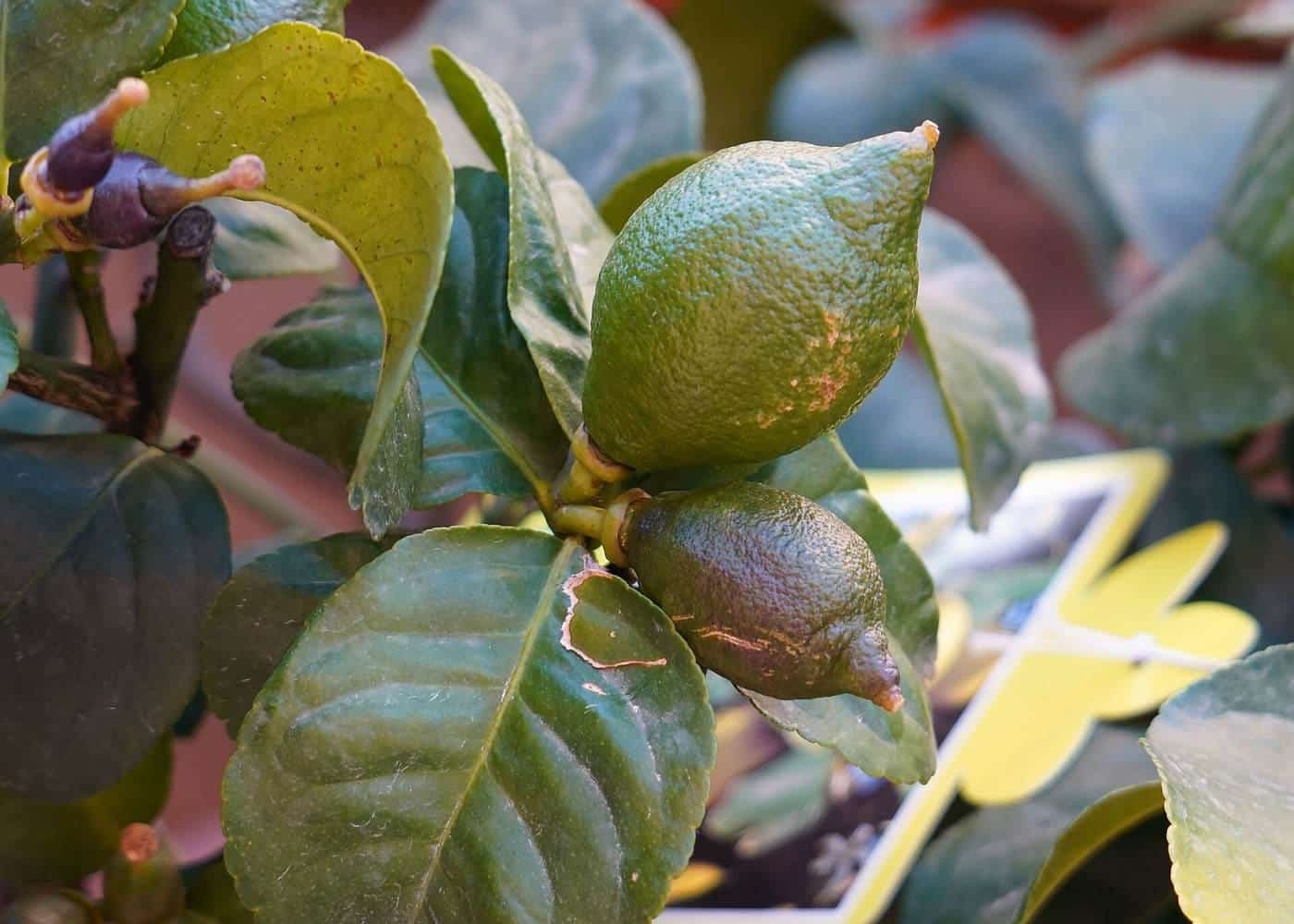
Few things beat picking your own tomatoes, lemons and herbs. Our growing food section covers what to plant in each climate zone, growing citrus, growing tomatoes and growing herbs. Start with the right crops at the right time and you're most of the way there.

Soil and water
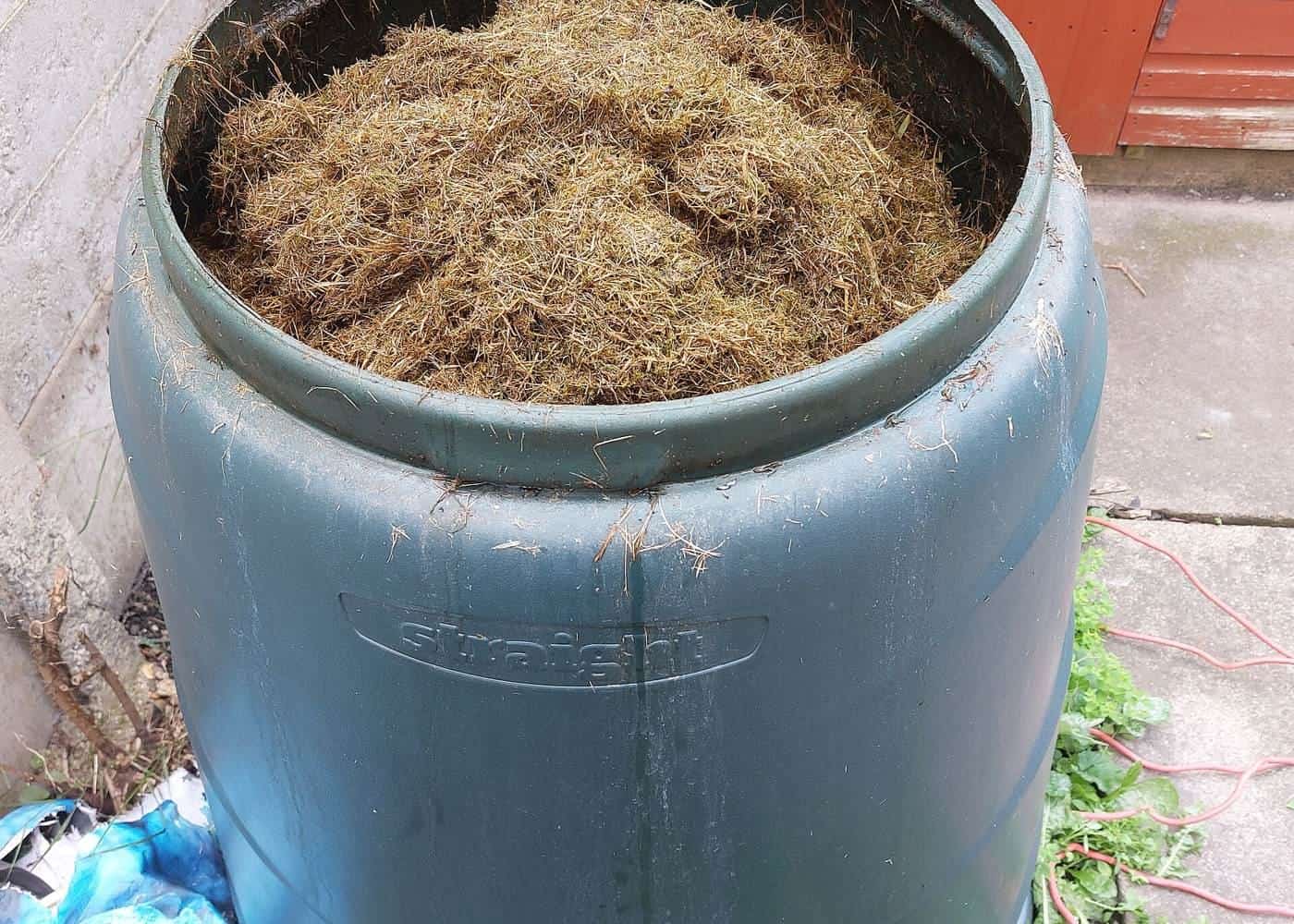
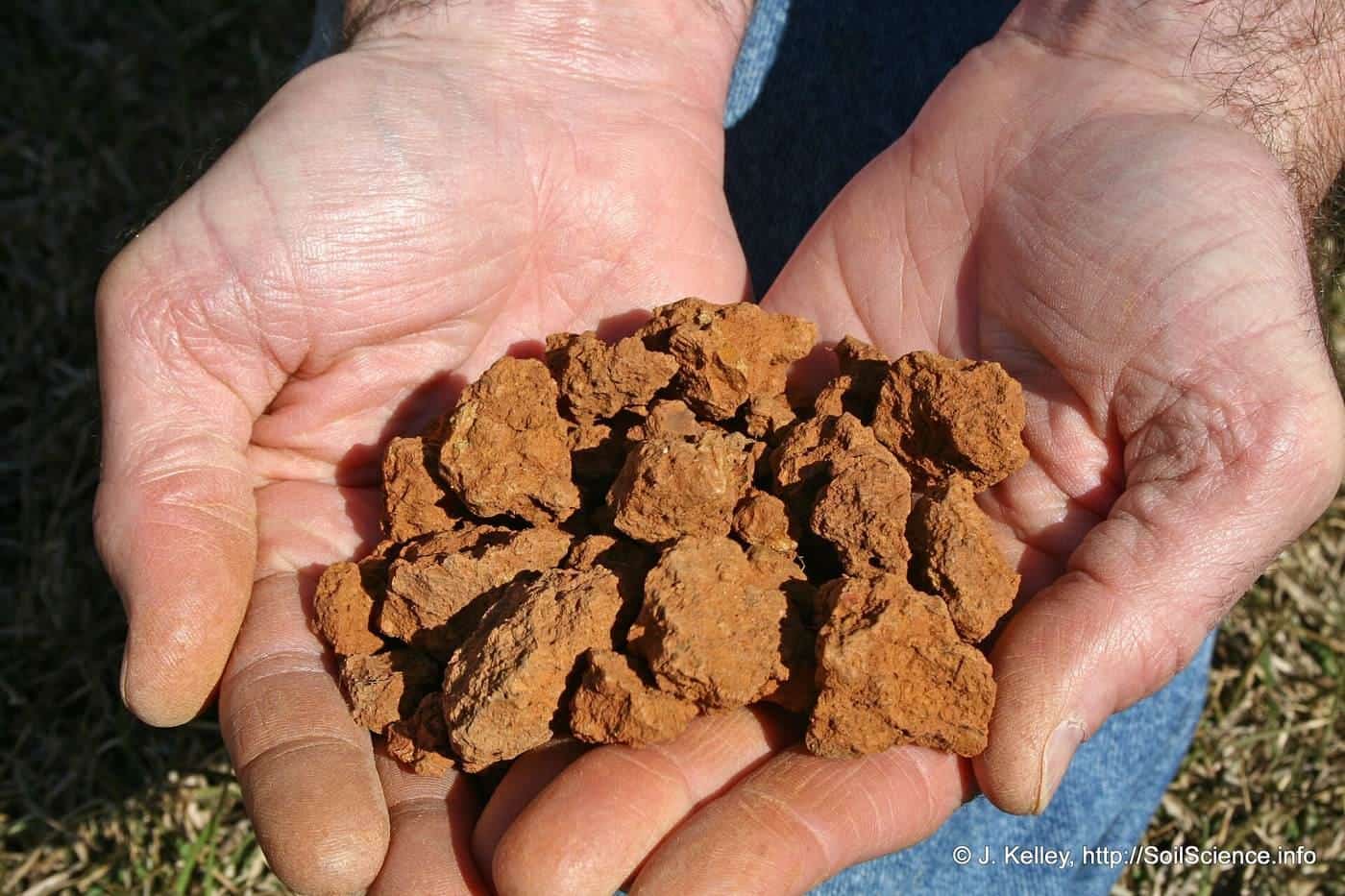
Healthy soil is the foundation of every garden, and water is precious in a dry continent. Our soil and water section explains composting, soil pH and soil types, mulching and water-wise gardening, including rainwater tanks and drip irrigation.
Garden design
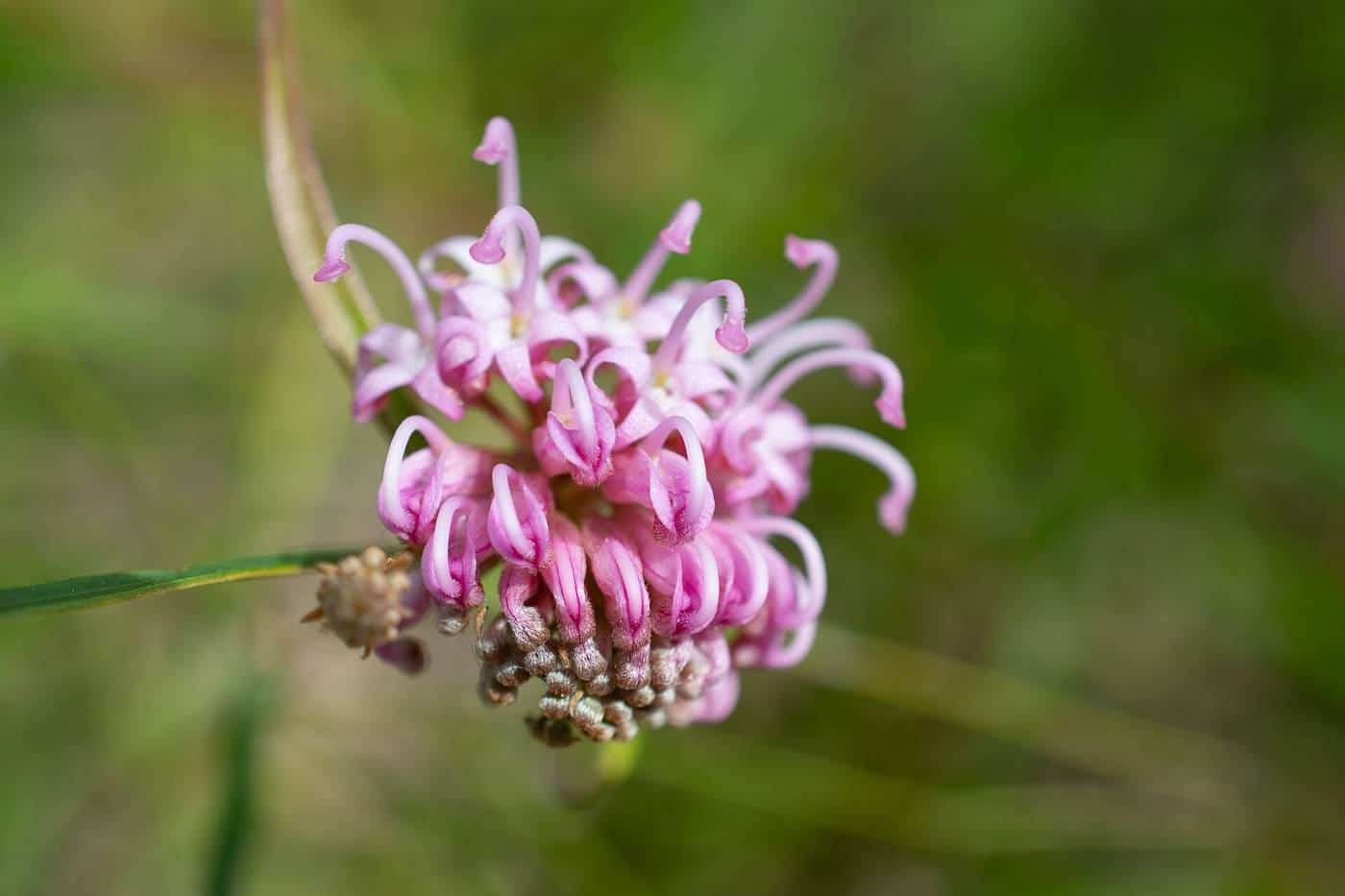
A good garden suits its climate, its soil and the people who use it. Our garden design section covers Australian native plants, lawn care, growing roses and paths, edging and paving.
Five tips for any Australian garden
- Know your zone. Planting times depend on your climate zone and local conditions, not the calendar you see in an overseas book.
- Feed the soil. Compost and organic matter improve sandy and clay soils alike, helping them hold water and nutrients.
- Mulch everything. A layer of mulch keeps soil cool and moist, suppresses weeds and slowly feeds the soil.
- Water deeply, less often. Deep watering encourages deep roots. Water in the cooler part of the day and follow local water rules.
- Right plant, right place. Match plants to sun, soil, water and frost. Check that a plant isn't a weed in your area before you buy it.
Seasons in Australian gardens
In the south of the country, gardens follow four seasons. Spring is the big sowing season for warm-season crops, summer is about watering and harvesting, autumn is a great time to plant trees, shrubs and natives and to sow cool-season vegetables, and winter is for pruning roses and fruit trees and planning ahead.
In the tropics, the year is better described as wet and dry seasons. The dry season, roughly from autumn to spring, is the main time for vegetables such as tomatoes and lettuce, while the hot, humid wet season suits crops such as sweet potato, okra and tropical greens. The subtropics sit between the two, with long growing seasons and humid summers. Arid areas face extreme heat, cold nights and low rainfall, so shade, wind protection and water planning are key.
Our what to plant tool gives indicative sowing times by zone and month.
Who this guide is for
We write for new gardeners, renters with pots and balconies, families starting a vegie patch, experienced gardeners moving to a new climate, and anyone wanting a lower-water, lower-maintenance garden. Each guide includes checklists and common mistakes to avoid.
How we research
We base our guides on sources such as ABC Gardening Australia, state agriculture and primary industries departments, botanic gardens, the Bureau of Meteorology, state health departments, the Australian Government's Your Home guide, Weeds Australia and native plant societies. We don't invent statistics or test results, and we list sources on every page. Read our editorial policy.
About this domain
gardeningtips.com.au hosted a small gardening tips site in the early 2000s and was later parked. It was relaunched in 2026 as an independent guide, and every page has been written from scratch. We aren't connected with any previous operator, nursery or retailer.
Key points
Learn your climate zone, build soil with compost and mulch, water deeply and wisely, and choose plants suited to your conditions. Use our planting tool as a guide and check local advice.